














Bali Visa Long-Term Options: 6 Months to +5 Years Visas
Choosing a Bali long-term visa is less about finding the visa with the longest validity and more about matching the permit to what you will actually do in Indonesia. A tourist staying for several months, a remote employee, a PT PMA shareholder, and someone married to an Indonesian citizen may all want a longer stay in Bali, but they do not need the same visa.
This guide compares the main long-term visa options for Bali by purpose, length of stay, re-entry needs, and eligibility. Use it to narrow down the right route before looking at the detailed requirements for each visa.
Bali Long-Term Visa Options at a Glance
Compare the main routes below by purpose, stay structure, and current Visa Indonesia service price. Prices can change and are not the same as government-only PNBP fees.
| Visa | Best for | Stay / validity | VI service price |
|---|---|---|---|
| C1 | One long tourist stay | 60 days; extendable to 180 days total | From USD 150 |
| D1 | Repeat tourist trips | 1, 2 or 5-year visa; up to 180 days per visit with extensions | From USD 279 |
| E33G | Remote work for overseas employer | Up to 1 year | From USD 775 |
| E23 | Local employment | 6 months–2 years, route-dependent | From USD 930 |
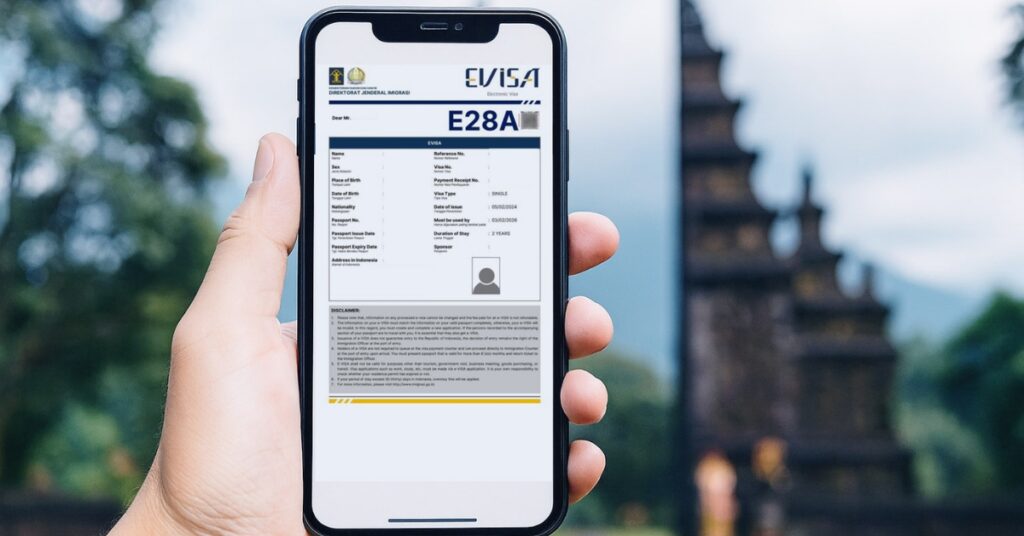
| E28A | Investor / PT PMA owner | 1–2 years; renewable | From USD 870 |
| E31A | Indonesian spouse | 1–2 years | From USD 775 |
| E33F | Retirement | 1 year; renewable | From USD 795 |
| E33E | Long-term retirement | 5 or 10 years | From USD 1,990 |
| E33 | Second Home | Up to 5 years | From USD 2,175 |
| E28B/C/D | Golden Visa investors | 5 or 10 years | From USD 2,360 |
Visa Validity Is Not the Same as Length of Stay
Think of validity and permitted stay as two different clocks. Visa validity tells you how long a visa remains usable; permitted stay tells you how long you may remain on a particular entry.
For example, a D1 can remain valid for 1, 2, or 5 years while each visit has its own permitted stay. A KITAS works differently because it is a limited-stay permit tied to a specific purpose.
A five-year visa does not automatically mean five years of uninterrupted residence.
Which Long-Term Bali Visa Fits Your Situation?
Start with what you plan to do in Indonesia. The right route changes depending on whether your stay is for tourism, work, investment, marriage, or retirement.
Best for One Long Tourist Stay
If you want to spend a few months in Bali for tourism without working, the C1 is usually the most straightforward long-stay visitor option.
It gives you an initial 60-day stay and can be extended twice for an additional 60 days each, allowing up to 180 days in total. Because it is single-entry, leaving Indonesia ends that stay.
- One continuous tourist stay
- Up to six months in Indonesia
- No local employment
- No need to leave and re-enter during the stay
Best for Frequent Return Trips
The D1 is designed for travelers who expect to visit Indonesia repeatedly. It is available with 1-, 2-, and 5-year validity options and allows multiple entries while the visa remains valid.
Each arrival starts with up to 60 days. That individual visit can currently be extended twice in 60-day increments, giving a maximum stay of 180 days per visit.
- Several trips to Indonesia
- Leave and return without a new tourist visa each time
- Activities remain within visitor visa rules
- You do not need continuous five-year residence
The D1 cannot be converted into a limited stay permit (ITAS).
Explore the D1 Multiple-Entry VisaBest for Remote Workers
If you live in Bali while working remotely for an employer or company outside Indonesia, the E33G remote worker route is designed around that situation.
The E33G is a multiple-entry, limited-stay permit. Visa Indonesia currently offers the route for stays of up to one year.
- Employer or company is outside Indonesia
- Bali is your longer-term base
- You meet employment and income requirements
- You need multiple-entry privileges
Best for Working for an Indonesian Company
If an Indonesian company employs you, you need a work-related stay route rather than a tourist or remote-worker visa.
The E23 Work KITAS is a multiple-entry limited stay permit linked to your sponsoring employer and approved position. Visa length and supporting requirements depend on the employment arrangement.
- You earn income through employment in Indonesia
- An eligible Indonesian entity sponsors you
- You work in the approved position
- You plan to stay beyond a short business visit
Attending meetings and taking a job in Indonesia are treated differently for immigration purposes.
Explore the E23 Work KITASBest for Business Owners and Investors
The E28A Investor KITAS is intended for qualifying foreign investors involved in an Indonesian company, typically a PT PMA.
Unlike a visitor visa used for meetings or exploratory trips, this is a residence route tied to your investment and position in the company.
- You are a qualifying shareholder
- You are establishing or investing in a PT PMA
- Your stay is connected to managing the investment
- You want residence rather than repeated business visits
Best for an Indonesian Spouse
Foreigners married to Indonesian citizens can use the E31A family route for long-term residence.
The Spouse KITAS is a multiple-entry limited stay permit, generally issued for one or two years depending on the application. The Indonesian spouse acts as the sponsor.
A spouse-based stay can also create a pathway toward a permanent stay permit (KITAP) when the legal requirements are met. However, the permit does not automatically provide unrestricted employment rights.
Explore the Spouse KITASBest for Retirement: E33F or E33E
Indonesia currently has more than one long-stay route aimed at retirees, so the better option depends largely on how long you want the permit to run from the beginning.
Retirement KITAS
The E33F Retirement KITAS is an annual limited-stay option for eligible retirees and can be extended.
It suits people who want to retire in Indonesia but do not necessarily need a five-year permit from the beginning.
Explore E33F Retirement VisaSilver Hair Visa
The E33E Silver Hair Visa is the longer retirement route for qualifying retirees aged 55 or older who meet the applicable immigration-guarantee and financial requirements.
Depending on the option granted, the stay can be five or ten years.
Explore the E33E Silver Hair VisaSecond Home and Golden Visa Options
If your priority is a five-year or longer residence period from the beginning, Indonesia offers special long-term categories. These are not simply premium tourist visas; they carry their own financial, investment, or eligibility conditions.
Second Home Visa
The Second Home Visa is a multiple-entry limited stay route for financially established foreigners who want to live in Indonesia without relying on local employment.
Current immigration rules provide multi-year Second Home stay periods, including five-year options. Applicants must meet the financial and immigration-guarantee requirements attached to the category.
Explore the Second Home VisaGolden Visa
Indonesia’s Golden Visa program is aimed at qualifying investors and business figures who make significantly larger investment commitments.
- E28B: investors establishing a company in Indonesia.
- E28C: eligible capital-market investors.
- E28D: investors establishing a branch or subsidiary of a foreign company.
These categories can provide five- or ten-year residence periods depending on the visa and investment commitment.
Explore Golden Visa ServicesWhich Bali Long-Term Visa Should You Choose?
Start with one question: what will you actually do while living or spending extended time in Indonesia?
Compare the C1 if you want one continuous stay of up to 180 days.
Compare the D1 if you expect to leave and return regularly.
Compare E33G when your employer or company is outside Indonesia.
Use the work route designed for employment with an Indonesian company.
Compare Investor KITAS, Second Home, or Golden Visa depending on your investment profile.
Use the stay category designed around your family or retirement purpose.
How to Get a Long-Term Stay Visa for Bali
There is no separate Bali visa. You apply for an Indonesian visa or stay permit that covers your purpose and allows you to stay in Bali.
Confirm the correct visa category
Match the visa to your planned activity and stay pattern before comparing processing time or price. Longer validity does not make the wrong category suitable.
Check your eligibility before paying
Check passport validity, nationality rules, financial evidence, and any sponsor, employment, marriage, retirement, or investment condition attached to the visa.
Prepare the core documents
Most routes require a valid passport, recent photograph, personal information, and financial evidence. KITAS and Golden Visa categories can require additional purpose-specific documents.
Submit the application
Apply through Indonesia’s official eVisa system when self-application is available, through the required sponsor, or through Visa Indonesia depending on the category.
Follow the approval and entry instructions
Visitor visas and limited-stay permits do not all activate in the same way. Check your issued eVisa, entry instructions, ITAS and re-entry requirements, and any post-arrival steps.
Four Differences That Can Change Which Visa Is Better for You
Once you have narrowed the options by purpose and eligibility, these practical differences can decide which route fits better.
Continuous stay vs. visa validity
Ask whether you need a recurring-entry visa or a residence permit. Do not choose a multi-year visitor visa simply because its validity looks longer.
Extension and conversion rules
Some visitor visas can be extended, some residence permits are renewable, and not every visa can be converted into another stay status inside Indonesia.
Multiple-entry needs
If you plan to leave Indonesia regularly, check whether the visa or stay permit supports re-entry and what happens to your current stay when you depart.
Financial commitments
Second Home, Golden Visa, investor, remote-worker, and retirement routes can have very different financial requirements. Compare the obligation with the benefit you actually need.
Why Visa Run is a Risky Move
A visa run can work when you are genuinely making separate tourist visits, but it comes with a few practical risks. Re-entry is never guaranteed just because your previous stay ended correctly, and very short turnarounds or a pattern of repeated long stays can lead to extra questions at immigration.
If your next stay requires a new visa, there is also a chance the approval takes longer than expected, which can mean changing flights, extending accommodation abroad, or delaying your return to Bali.
More importantly, repeated tourist entries do not change what a tourist visa allows you to do. So, if Bali is becoming your main base for work, investment, retirement, or family reasons, the issue is not simply how often you leave and return. It is whether your visa still matches your actual purpose.
In that situation, a long-term visa can offer a more predictable stay structure and reduce the uncertainty that comes with repeated border trips.
Frequently Asked Questions About Long-Term Bali Visas
How can I obtain a long-term stay visa for Bali?
Choose the visa that matches your purpose, confirm its eligibility and document requirements, then apply through Indonesia’s official eVisa system, the required sponsor, or a visa service where applicable.
Can I get a 6-month visa for Bali?
Yes. For tourism, the C1 Single-Entry Tourist Visa can allow a total stay of up to 180 days. It begins with a 60-day stay and can be extended to a maximum of 180 days.
It is not issued as one uninterrupted six-month stay from the beginning, and leaving Indonesia ends the single-entry stay.
What is the 6-month rule in Bali?
The “6-month rule” usually refers to passport validity rather than visa length. Foreign travelers generally need a passport that remains valid for at least six months when entering Indonesia. Your permitted stay is determined separately by your visa or stay permit.
How much is a retirement visa for Bali?
Visa Indonesia currently lists the one-year E33F Retirement KITAS from USD 795 for an offshore application and USD 930 for an onshore application. The E33E Silver Hair Visa service is currently listed at USD 1,990.
These are Visa Indonesia service prices. Government-only immigration fees are separate, and prices can change.
Can I stay in Bali for 5 years?
Yes, but the legal structure matters. A five-year D1 can remain valid for repeated visits while each individual stay is limited.
Eligible applicants may instead qualify for long-term residence categories such as E33E, Second Home, or a Golden Visa, which are designed around multi-year residence.
Can I work in Bali on a long-term tourist visa?
A C1 or D1 tourist visa does not authorize local employment in Indonesia. Remote workers employed by a company outside Indonesia should compare E33G, while people employed by an Indonesian company need the appropriate work visa.
Investors and business owners should choose the permit that covers their actual investment and management activity.
Planning to Live in Bali, Not Just Choose a Visa?
Visa selection is only one part of a long-term move. Once you know which immigration route fits, you still need to think about housing, cost of living, healthcare, banking, taxes, neighborhoods, and the practical side of settling in.
Our broader guide covers those day-to-day considerations while this page stays focused on comparing visa routes.
Get Help Choosing the Right Indonesia Visa
Still deciding between C1, D1, a KITAS, Second Home, or a Golden Visa? Tell our team how long you want to stay, whether you will work, invest, retire, or join family, and how often you plan to leave Indonesia. We can help you identify the route that matches those plans and check the current requirements before you apply.
Immigration classifications and requirements can change, so confirm the latest conditions for your chosen visa before submitting an application.Ready to Apply or Extend Your Visa?
Let our visa specialists handle your application.





 English
  Bahasa Indonesia
  Español
  Italiano
  Français
  日本語
日本語  Nederlands
  繁體中文
繁體中文  한국어
한국어  Norsk bokmål
  Svenska
  Dansk
Dansk  Türkçe
  Polski
  香港中文
香港中文  简体中文
简体中文  Українська
  Русский
  Bahasa Melayu