









Indonesia Visa for Music Performer (2026)

If you’re a music performer planning on stage performances in Indonesia, maybe solo concerts, a festival set, or a run of music concerts, you can’t perform on a tourist visa. Indonesia has a visa category specifically designed for this kind of trip. And when you use the right one, the whole thing feels like a streamlined process instead of a stressful guessing game.
This guide explains the indonesia visa for musicians in clear, everyday language. We’ll cover the music performer visa (C7A), the crew version (C7B), and what changes if you have backup musicians, tour managers, sound engineers, lighting technicians, or a full road crew coming with you.
First, a quick “which visa do I need?” check
If you are the artist performing, the usual visa is a C7A (performeror artist visa). It’s a single-entry visa made for music shows.
If you’re not the front performer, but you’re one of the crew members who make the show happen (like personal assistants, tech crew, or management support), the usual fit is a C7B visa.
Now let’s break it down.
Table of Contents
What is the C7A “Music Performer Visa” (and why it matters)
The C7A category is part of the C7, C7A and C7B, which Indonesia uses for arts and culture visits. In simple terms: Visa C7 is the big bucket, and C7A is the version designed specifically for music.
With C7A, you can enter Indonesia for single-entry travel and do music-related performances. You can also do normal visitor things, like tourism and visiting friends.
C7A stay length, visa validity, and what “single-entry” really means
Here’s the part that confuses many foreign artists:
- Stay in Indonesia: up to 30 days, counted from the day you arrive.
- Single-entry visa performer: Once you leave Indonesia, that visa is basically done. (That’s what single entry means.)
- Visa validity: You generally must use it within 90 days from the date it is issued.
Also, Indonesia Immigration clearly warns that visa validity is not the same as “how long you can stay.” The validity is your “use-by window” to enter Indonesia. The stay is your “days inside the country.”
Who applies: you don’t do it alone
For C7A, you need an Indonesian sponsor. Usually, this is an event organizer, an impresario, or a reputable Indonesian entertainment company handling the production. Immigration also explains that the sponsor must have an account in the immigration system on the official eVisa site to submit the visa application.
So even if you’re the artist, the paperwork usually moves through your sponsor.
Document requirements (what you must prepare)

This is the part you should treat like a checklist before rehearsal night. Indonesia’s official pages and eVisa guidance list the key document requirements, passport rules and supporting docs.
Document requirements:
- A passport valid for at least 6 months. If you’re using travel documents that are not a national passport (like emergency passports or other identity documents), they must be valid for at least 12 months.
- A personal bank statement covering the last 3 months, showing your name, period dates, and account balance. The eVisa guidance mentions a minimum amount of USD 2,000 (or equivalent).
- A recent color photo.
- A sponsor guarantee letter (often from the event organizer or impresario).
- A visa request package from the impresario, plus the performer’s cooperation contract/performer’s contract, basically, your contract with the event that proves what you’re doing, where, and when.
One more detail people miss: if you’re traveling on special documents (not a normal passport), Indonesia may require proof you can re-enter the country where you applied, plus an onward or return ticket.
What about C7B? (Crew, support, and behind-the-scenes roles)
C7B is for people supporting the show. That can include tour managers, tech staff, and other crew members who are coming to help music events run smoothly.
With C7B, you’re not the headliner; you’re the team that makes the headliner’s job possible. Think: sound engineers, lighting technicians, stage crew, and sometimes management support. The official description frames it as supporting foreign performers doing music-related arts/culture work.
C7B key rules (very similar to C7A)
- It’s a single-entry visa.
- Stay is up to 30 days.
- It’s generally not extendable or transferable into another stay type under this category.
- Visa validity is also shown as 90 days from issuance on the official page guidance.
What you can do (and what you cannot do)
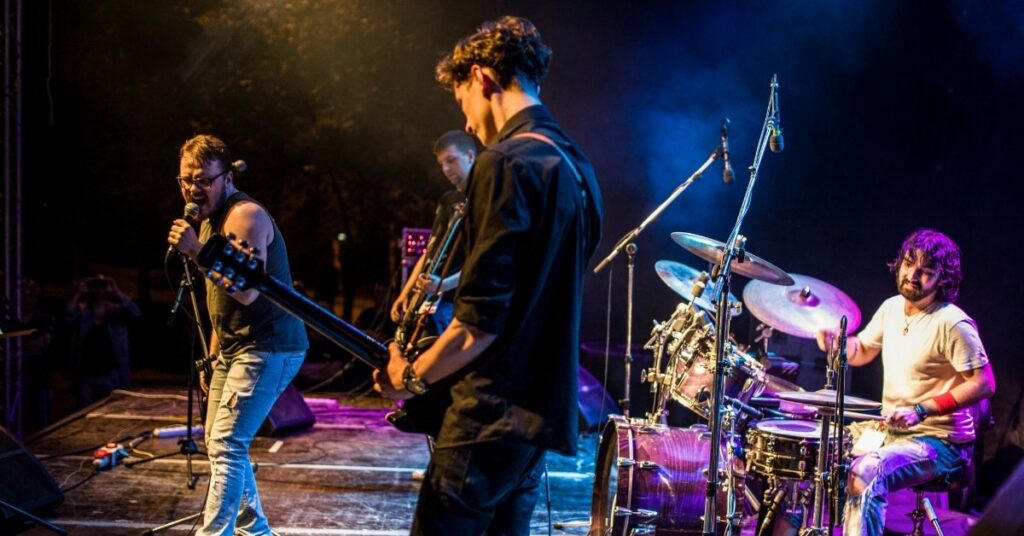
This is where people accidentally break rules.
What you can do
With C7A, Immigration explicitly says you can perform music-related work and also do tourism and visit friends/family.
It also states you may receive hospitality relating to your activity, meaning you can receive “facilities” or benefits connected to the event.
What you cannot do
The official eVisa FAQ notes common restrictions like:
- You are prohibited from selling goods or services.
- You are prohibited from working in an employment relationship in Indonesia.
- You should follow applicable regulations and norms for art and behavior.
This matters for gray areas: merch sales, side gigs, brand work, or unrelated paid work. If your trip starts to look like ongoing paid work for a local employer (a true working purpose), that’s usually when you must talk about a legal work permit and a different path (often tied to a residence permit / ITAS-style status).
Also, be careful with the media. Things like tv interviews or reality shows might be fine if they’re clearly part of the event plan and sponsor paperwork, but don’t assume. Your sponsor should align the activity with the right visa and documentation.
Step-by-step application process (how it usually works)
Here’s the clean version of the application process:
First, your Indonesian sponsor (often the event organizer or impresario) creates or uses their account in the official eVisa system. Then they submit your visa application and upload your files: passport scan, photo, bank proof, and your performer’s cooperation contract (or contract package).
Next, the system generates a billing code for payment. After payment is confirmed, Immigration processes the request. The official timeline listed is about five working days after payment is received.
Finally, once approved, you receive the visa and can enter Indonesia within the printed visa validity window.
If you’d like the process to feel a bit lighter, you can also apply for the Music Performer Visa (C7A) through our service at visa-indonesia.com. We’ll review your passport scan, photo, proof of funds, and performer contract, then flag any issues before the application goes into the Indonesian immigration system for you.
If you don’t have a sponsor yet, we can prepare the sponsor documents for you based on your event details. And, if you already have an event organizer or local promoter as your Indonesian sponsor, you can upload their guarantee letter and contract.
Common mistakes that slow things down (or get you rejected)

Most problems come from mismatches. Not “bad intentions”, just messy details.
A big one is the contract. If your performer’s foreign entity signs a contract that lists dates or venues that don’t match your itinerary, it raises questions. The same goes for the crew. If your tour managers and personal assistants are traveling, their role should make sense with the event docs (especially if they are part of the road crew).
Another common issue is the personal bank statement. Immigration wants a clear record for the last 3 months with your name, date range, and balance account, and it should meet the minimum funds guideline shown in the eVisa guidance.
Also, don’t ignore passport rules. Your passport’s validity timeline is not optional, and special documents like emergency passports have stricter validity expectations.
FAQ
Can I use a tourist visa because this is “just music”?
If you’re doing public on-stage performances tied to entertainment events, you should use the visa category built for that activity (like C7A/C7B).
Is C7A a popular visa option for touring musicians?
It’s a common fit when the trip is a short, clear performance visit: one entry, up to 30 days, sponsor-led.
Can I get direct payments in Indonesia?
Immigration guidance allows receiving “benefits/facilities” related to the activity, but it also warns against employment-style work. If the payment structure looks like a job in Indonesia, you may need a different route (work permit/residence path).
What if I’m traveling with other artists?
Each person should be covered properly, performers under a visa music performer (C7A) and support team under C7B visa as needed.
Ready to Apply or Extend Your Visa?
Let our visa specialists handle your application.





 English
  Bahasa Indonesia
  Español
  Italiano
  Français
  日本語
日本語  Nederlands
  繁體中文
繁體中文  한국어
한국어  Norsk bokmål
  Svenska
  Dansk
Dansk  Türkçe
  Polski
  香港中文
香港中文  简体中文
简体中文  Українська
  Русский
  Bahasa Melayu