














Can I Enter Indonesia With an Emergency Passport?
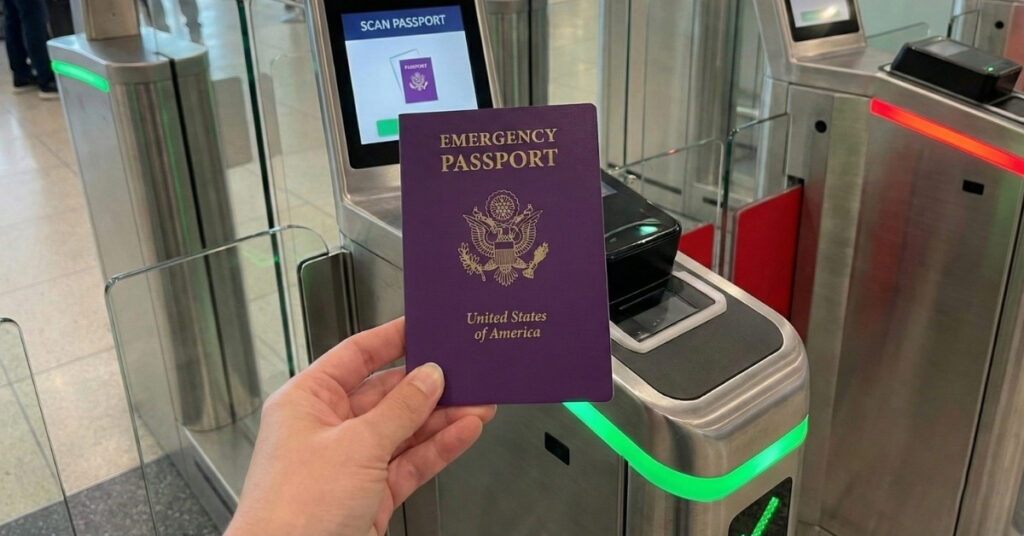
Indonesia is strict about entry requirements, and travelers with emergency passports must obtain the correct visa before traveling. It’s also strongly encouraged to confirm what your nearest Indonesian Embassy, Consulate or Visa Agency tells you about your exact travel document before you book anything.
And there’s another rule people miss:
You must exit Indonesia with the same passport you used to enter.
So if you enter on Passport A, you can’t casually leave on Passport B and expect it to be smooth. That “same passport” detail matters a lot, especially when you’re dealing with emergency documents.
This post will walk you through what Indonesia tends to accept, what gets travelers blocked at check‑in, and what to do next, so you’re well-informed and not stuck guessing at the airport.
Quick answer (read this before you do anything else)
You can usually enter Indonesia only if you have a valid passport that meets the standard rules:
- Your passport must be valid for at least 6 months from your arrival date.
- You typically need two blank pages (not just one blank page) for entry stamps and processing.
- Your passport must be machine‑readable and include a valid photographic identifier.
- Your passport condition matters. Even small damage can cause denied entry.
If you’d like the quickest way to confirm whether an emergency passport is accepted for entry to Indonesia, you can reach out to Visa-Indonesia.com for guidance. We’ll help you double-check the key requirements before you fly, so you can travel with more peace of mind.
In general: Emergency and Temporary passport holders are eligible for the C1 Visa.
First, what do you mean by “emergency passport”?
The phrase “emergency passport” gets thrown around a lot, but it’s actually a catch-all for a few different quick fixes. Sometimes it’s just a regular passport that’s been rushed through the system super fast. Other times it’s an emergency travel document (paper or limited‑use) that’s basically meant for one job: get you home.
And then there’s the temporary passport, which some countries issue quickly, but which Indonesia does not accept for entry.
So before we go any further, let’s name the types you might hear:
Emergency passport
Often issued quickly because of loss, theft, or urgent travel. It might look like a normal passport, but it can have special remarks, shorter validity, or different document codes.
Temporary passport
A short‑validity passport was issued as a stopgap.
Alien passport / alien travel document
Some travelers hold an alien passport (issued to non‑citizens in a country) or an alien travel document. These are not always treated like regular national passports.
Refugee travel document / titre de voyage
If you have a refugee travel document or a titre de voyage, your case is special. Non‑passport travel documents like refugee travel documents generally require a longer validity of 12 months instead of 6 months.
This matters because people get stuck when their document is “valid,” but not valid enough for the system.
Indonesia’s core entry requirements (even before we talk about visas)

Indonesia’s rules are not only about the visa. They’re also about the passport itself.
1) Your travel document must be machine‑readable and have a photo
Here’s a rule that trips people up:
All foreign passports presented for entry into Indonesia must be machine‑readable and contain a valid photographic identifier.
That means a passport that can be scanned, with a photo page that’s clear and readable. If your document is old, handwritten, damaged, or missing that standard machine‑readable format, you may be treated as high risk.
2) Passport condition matters more than you think
Indonesia is not casual about passport conditions.
Immigration officers in Indonesia are strict about passport conditions, and even minor damage can lead to denial of entry.
“Minor damage” can be:
- a peeling photo page laminate
- water damage
- ripped corners
- ink stains
- missing pages
If you’re traveling with an emergency passport because your old one was damaged, make sure your new document is clean, intact, and readable.
3) Validity and blank pages
A common standard is:
Indonesian immigration usually requires a standard passport valid for 6+ months with two blank pages for entry.
Two blank pages sound simple, but travelers show up with passports packed with stamps and visas and then get blocked. Don’t gamble on “I have one blank page.” Many officers and airline systems look for two blank pages. So plan for it.
Applying for Indonesian Visas with an Emergency Passport
We recommend that travelers with emergency passports obtain a visa before traveling. Currently, the only visa option with a emergency passport is the C1 Visa.
e‑VOA and electronic visa systems
Now we get to the part people care about: visa options.
Indonesia has different visitor visas and visa categories. You’ll hear terms like:
- Visa on arrival or eVoA
- Tourist visas
- Visas for business meetings
In a perfect world, you’d simply pick a visa category and go. But with an emergency passport, the rules tighten.
If your document is unusual, the system rejects it, or the airline may flag it even if you got an approval.
Visa on arrival (VOA)
VOA is popular because it feels easy: land, pay, enter. But VOA assumes your passport meets the standard rules.
With an emergency passport, you face one of two outcomes:
- The airline refuses to board you, or
- You land, and the immigration officer decides your document doesn’t meet the entry requirements.
That’s how travelers end up with denied entry even after paying for a trip.
The only valid option with an emergency passport is the C1 visa!
The airline problem: why you can be rejected before you even depart
Here’s a truth that saves people:
If the airline flies you to Indonesia and Indonesian authorities refuse you, the airline may have to pay to transport you back. So airline staff follow strict document rules.
That’s why it’s strongly recommended to contact the nearest Indonesian Embassy or Consulate regarding visa issuance for emergency documents before traveling. If you’d like to keep everything simple and online, you can apply through visa-indonesia.com. We’ll support you so your entry to Indonesia with an emergency passport goes smoothly.
Not because you enjoy extra steps. Because it reduces the chance you’ll be stopped at check‑in.
What to ask your airline (copy/paste)
“Hi. I’m traveling to Indonesia on [arrival date]. I’m using an emergency passport / travel document issued by [country]. It’s valid until [date]. Can you confirm I will be accepted for boarding for this route?”
If you’re an American, say it plainly:
“I’m an American citizen traveling with an emergency passport. Can you confirm boarding acceptance to Indonesia?”
Even if you’re not American, that structure works.
You’re not asking for opinions. You’re asking for a yes/no check.
International airports are where travelers usually arrive
Most foreign visitors enter Indonesia through major international airports, such as:
- Soekarno Hatta International Airport (Jakarta)
- Ngurah Rai Airport (Bali)
If your route includes Indonesia’s busiest airports, staff are more used to international cases.
What about land crossings?
Land crossings can be trickier because document checks and local enforcement vary by location. If you plan to enter Indonesia by land (from a neighboring country), treat it as a higher‑risk plan with an emergency document. You need to be extra careful about visa status and document acceptance.
The “same passport” rule: you must exit Indonesia with the same passport you entered with
This one deserves its own section.
You must exit Indonesia with the same passport you used to enter.
Why this matters:
- Immigration records tie your entry to your passport number.
- If you try to leave using a different passport, the system may not match your entry.
- That can lead to delays, extra questions, and sometimes worse.
So if you enter Indonesia on an emergency passport, you should plan to exit Indonesia using that same passport. If your emergency passport expires soon, or if your country plans to replace it while you’re in Indonesia, you need a plan. That plan usually involves contacting your embassy for assistance and coordinating with Indonesian immigration, so your departure is properly recorded.
Special cases: alien travel documents, titre de voyage, and “non‑passport” documents
If you’re not traveling on a standard national passport, you’re in a different lane.
You might have:
- an alien travel document
- an alien passport
- a refugee travel document
- a titre de voyage
These documents can be accepted in some countries, but Indonesia may apply stricter checks.
Here’s the key fact to remember:
Non‑passport travel documents like refugee travel documents generally require a longer validity of 12 months instead of 6 months.
So when you see “passport must be valid for at least 6 months,” don’t assume that applies to you. If your travel document is not a standard passport, 12 months’ validity is often the safer expectation. And yes, this is where contacting the embassy becomes non‑negotiable.
“But I saw someone online who entered Indonesia on another travel document…”

Yep. You will see stories.
The problem with stories is that they leave out details.
Maybe that person:
- arrived at a different airport,
- had a different document type,
- had a visa pre‑issued,
- had a longer validity,
- traveled at a time when checks were different,
- or got lucky with one officer.
That’s why “I heard it worked” is not a plan.
A better plan is:
- Confirm your document is machine‑readable with a clear photo ID,
- Make sure it’s valid for at least the required months,
- Confirm you have two blank pages,
- Obtain the right visa category (especially those traveling on emergency documents),
- Confirm boarding acceptance with the airline.
Documents you should prepare (keep this simple)
Bring these with you. Not because you love paperwork, but because they reduce questions.
- Your passport (valid, machine‑readable, undamaged)
- Your visa approval or embassy‑issued visa
- Proof of onward flight booking (or return ticket)
- A re-entry permit of your country of residence
- Accommodation details (hotel or address)
- Your arrival date and itinerary
- Proof of funds (if asked)
- A screenshot/print of your electronic visa qr code
- Copies of your passport photo page (paper + phone)
Don’t forget the arrival card

When people talk about entry, they focus on the visa, but the All‑Indonesia Arrival Card is just as important.
Since July 2025, tourists don’t have to fill out separate customs and health declarations anymore. You can complete them together in the All‑Indonesia Arrival Card.
One timing rule still matters: your Electronic Customs Declaration (ECD) information must be completed within 72 hours of arrival in Indonesia. So do the All‑Indonesia Arrival Card in advance if you can, and keep a screenshot on your phone.
Travel tip: assume the airport Wi‑Fi will be slow. Arrive with your form done, your QR/code (if provided) saved, and you’ll glide through instead of scrambling at the counter.
Travel tips that can save you from bigger problems
Entry rules aren’t the only thing that can wreck a trip.
Here are a few travel tips that matter in Indonesia.
Follow local laws, especially drug laws
Indonesia is extremely serious about illegal drug possession. This is not the place to “take chances.” Consequences can be severe, including heavy fines, long detention, and deportation.
Even if you think something is “small,” it can still trigger a serious case.
Plan for medical expenses
If you get sick or injured, medical expenses can add up quickly.
If you need medical treatment, you may be asked to pay up front. Good travel insurance matters. This is especially true if you’re doing activities in Bali or traveling far from major hospitals.
High‑risk areas and staying updated
If you’re traveling to remote areas (for example, Highland Papua), do extra planning. Transportation can be limited. The weather can change plans. Health services can be far. It’s smart to receive alerts from your country’s travel advisory service so you can stay updated on safety and security notices.
The goal isn’t fear. The goal is to be well-informed.
What happens if you’re denied entry?

Nobody wants this, but it helps to know what it looks like.
If Indonesian authorities decide your travel document doesn’t meet entry requirements, you could be refused entry.
That can mean:
- You wait in a controlled area,
- The airline arranges your return,
- You may lose hotel nights and tours,
- You still may have to pay extra fees.
That’s why we keep circling back to prevention: the right document, the right visa, confirmed in advance.
If you lost your passport in Indonesia (and you need to leave)
If you’re already in Indonesia and you lost your passport, your mission is different: you need a document to depart. In that situation, embassies often issue emergency documents so you can exit Indonesia.
But remember the key rule:
This is where embassy assistance and coordination with Indonesian immigration become essential. Don’t wait until the day of departure to solve it.
Your final checklist (so your trip doesn’t fall apart at check‑in)
Before your departure date, make sure you can say “yes” to these:
- You have a valid passport that is machine‑readable with a clear photo ID.
- Your passport is valid for at least the required months (and if you hold a non‑passport travel document, aim for 12 months’ validity).
- You have two blank pages.
- Your passport is not damaged.
- You have your visa plan: a visa issued in advance
- You have a re-entry permit (national passport, valid visa)
- You have an onward flight booking.
- You know your arrival airport (like Soekarno Hatta International Airport or Bali’s main airport) and your arrival date.
- You completed your arrival steps, including the Arrival Card within 72 hours of arrival
And the big one:
You understand you must leave Indonesia on the same passport you entered with.
Final word
If you’re traveling to Indonesia, your best protection is reducing uncertainty.
Emergency and temporary documents create uncertainty, and uncertainty is exactly what airlines and immigration systems don’t like.
So take the safest route:
- Use a standard, undamaged passport if you can.
- Get the correct visa type
- Confirm acceptance with your airline.
- Travel prepared: passport validity, blank pages, onward booking, and arrival paperwork.
Do those things, and you’ll give yourself the best chance to enter Indonesia smoothly, without a stressful surprise at the airport.
Ready to Apply or Extend Your Visa?
Let our visa specialists handle your application.





 English
  Bahasa Indonesia
  Español
  Italiano
  Français
  日本語
日本語  Nederlands
  繁體中文
繁體中文  한국어
한국어  Norsk bokmål
  Svenska
  Dansk
Dansk  Türkçe
  Polski
  香港中文
香港中文  简体中文
简体中文  Українська
  Русский
  Bahasa Melayu