















Bali Groundwater Regulation in 2026:
In 2026, Bali’s groundwater rules got a lot stricter, especially for businesses that rely on wells. The Ministry of Energy and Mineral Resources has tightened the rules around permits, regularization, non-business approvals, fines, and enforcement. So for business owners, groundwater is no longer something small or easy to ignore. It is now a serious compliance issue.
The big date to remember is March 31, 2026. That is the deadline for anyone who still needs to legalize an unlicensed well. After that, government materials make it clear that using groundwater without proper approval can lead to much tougher penalties, including possible criminal consequences under national law. On top of that, the government is pushing businesses to adopt the right system, update outdated or incorrect documents, and demonstrate full compliance.
For owners, operators, and foreign entrepreneurs, the main question is straightforward. If your groundwater use supports a business, do you already have the right permit, and can you prove regulatory compliance if local authorities check your property?
The legal basis behind the new compliance push
The legal basis actually starts at the national level, not just in Bali. The main framework comes from Law No. 17 of 2019 on water resources, followed by Government Regulation No. 30 of 2024. So if you come across the phrase government regulation no in older write-ups, that is usually the reference they are talking about. Under that system, rules from Energy and Mineral Resources handle things like permit procedures, regularization, and sanctions.
Put simply, Bali follows Indonesia’s national rules on groundwater, even though the day-to-day checks and enforcement may still involve provincial or local offices.
The most important practical distinction in 2026 is still this: business use and non-business use are treated differently. A lot of search results still confuse people because they make it seem like the only thing that matters is extraction volumes above or below 100 cubic meters per month.
But the rules are more nuanced than that. For households and other non-business daily needs, using less than 100 cubic meters a month often does not require approval. Once usage reaches 100 cubic meters per household head or group, approval is usually required. For commercial use, though, the analysis typically shifts away from the household threshold and focuses instead on the proper groundwater license for the business.
What Is SIPA and Who Needs It in Bali?
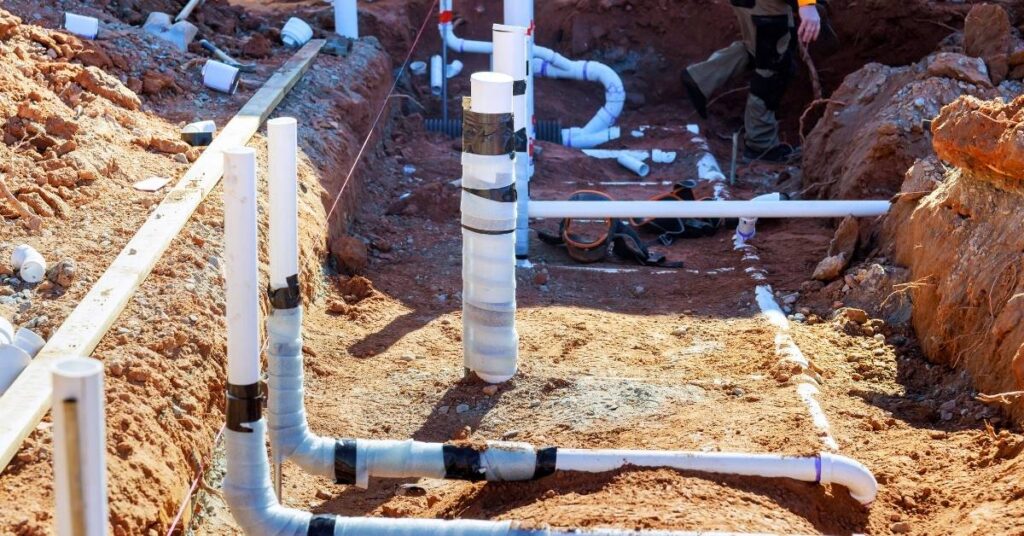
That business-side license is called Izin Pengusahaan Air Tanah, and most people just call it SIPA. In Bali, you might also hear people say surat izin pengusahaan air. Different wording, same idea. The simple way to think about it is this: if the water on your property helps you make money or supports your day-to-day business, the government will usually see it as business use. So if you run a villa, guesthouse, café, spa, clinic, warehouse, or one of the many restaurants on the island, there is a good chance this applies to you.
A big clue is whether your water supports guest service, staff needs, or site operations. If it does, you should not assume it counts as ordinary household use just because the property looks small or private from the outside.
This matters even more in Bali because tourism keeps pushing up the demand for water. If you think about it, it makes sense. Your guests need showers, your kitchen needs cleaning, your pool needs refilling, and things like laundry, landscaping, and staff areas all use water every single day. In a lot of cases, that heavy water usage is still coming from just one well and one meter.
That is exactly why the government is paying closer attention to illegal or poorly documented groundwater use. This is not just about paperwork for the sake of paperwork. The bigger goal is to protect groundwater resources, reduce over-extraction, and help protect Bali’s wider environment under the national government’s regulatory and legal framework.
Zoning, location, and permit issuance
The 2026 picture is also stricter because geography now matters more in public discussion. Groundwater permitting is heavily influenced by zoning. The rules recognize conservation areas and classify them as safe, vulnerable, critical, or damaged.
In a critical zone, groundwater withdrawal may be capped at 10 cubic meters per day. In a damaged zone, the issuance of new permits for izin pengusahaan air tanah is generally not allowed. That means land ownership alone does not guarantee a company can obtain a permit. The location, hydrogeological setting, and the site’s relationship to the wider environmental map matter too.
How the licensing process works through OSS
If your well supports a business, you need to apply through the Online Single Submission (OSS).
That means you need a working OSS profile, a business identification number, and business data that matches your site. Your application can also connect to spatial suitability approval, site planning data, and other location-based controls. If your business data, land file, and well data do not match, your review can slow down or stop.
This is why you should not confuse groundwater licensing with a normal trading permit, a neighborhood letter, or product registration. This is a separate legal track with its own licensing process, technical requirements, and required documents. You may only realize how technical it is when you reach the review submit stage in OSS and see what the file actually needs.
Required documents and technical documents
In most cases, the government checks whether the business file, land file, and technical file all support the same story. If one part is weak, the whole process can slow down.
The main documents and requirements usually include:
- Business documents: OSS profile, business identification number, and related tax data, such as the tax identification number
- Land documents: proof of land ownership, lease rights, or another lawful basis for using the site
- Technical documents: well point, planned debit, well depth, construction details, projected extraction volumes, and the intended use of the water for daily operations
- Supporting documents: any maps, drawings, coordinates, and other additional documents requested during review
Permit term, renewal, and six-month reporting

The 2026 rule also matters after the permit is issued. A SIPA is typically valid for five years. It can be renewed, but the company should prepare early. The renewal filing should be made through OSS at least six months before expiration and no later than two months before the end date. That means businesses cannot file once and forget the issue. Groundwater compliance has a calendar.
Reporting is another point many operators miss. Holders of a business-side groundwater permit for withdrawals above 10 cubic meters per day must send technical reports every six months to the relevant authority. Those reports include monthly withdrawal data, groundwater quality analyses every six months, and monthly water-level measurements. In short, the government is not only asking businesses to get approval. It is asking them to show continuing compliance.
The March 31, 2026, deadline and enforcement risk
For still-unlicensed sites, the immediate issue is the regularization deadline. The current public message from the Geological Agency is that users should fix licensing gaps by March 31, 2026. The newer rule also creates an administrative fine structure for wells being corrected through the regularization route. For large businesses, that range can reach IDR 50 million.
That does not mean every missing SIPA automatically costs that amount, but it does show the real financial risk. Beyond administrative penalties, the official warning is that unlicensed use after the deadline may also lead to a tougher legal response, including possible criminal action.
What businesses should do now?
This is why companies should review their position now. Start with the basic question: is the water tied to a business? If so, treat the site as a business case rather than a household case. Then confirm whether a valid groundwater license already exists, whether the permit dates are still valid, and whether the site is located in a conservation or critical area. Next, check the business, land, and technical files together. Make sure the form, site data, and well data line up before you submit anything.
One final point matters for operators comparing water sources. Surface water and groundwater do not follow the same route, so a property should not assume the same approval logic applies to both. If the source is a well, focus on groundwater rules. If needed, contact the relevant services unit, the groundwater office, or other local authorities that can assist with the correct authority and submission path. Even a basic intake request asking for full name, email, site address, and company details is only the start. The real work is making sure the business can ensure compliance before inspections begin.
The bottom line for Bali businesses
In news terms, the 2026 update does not change the basic story. It sharpens it. Bali businesses that rely on wells still need to understand izin pengusahaan air tanah, use OSS correctly, manage reporting, and respect zoning. What is different now is the level of pressure. The rules are being enforced more visibly, and the deadline to fix old problems is no longer far off. For the island’s hotels, villas, offices, hospitality sites, and light industrial industries, groundwater is now a front-page compliance issue, not a quiet back-office task.
Older pages may still talk about a separate feasibility assessment as if it were the center of the story. In 2026, the bigger story is simpler and more urgent: review the file, fix the gaps, and enter the right permit track before the current window closes.
Ready to Apply or Extend Your Visa?
Let our visa specialists handle your application.





 English
  Bahasa Indonesia
  Español
  Italiano
  Français
  日本語
日本語  Nederlands
  繁體中文
繁體中文  한국어
한국어  Norsk bokmål
  Svenska
  Dansk
Dansk  Türkçe
  Polski
  香港中文
香港中文  简体中文
简体中文  Українська
  Русский
  Bahasa Melayu