











Address Mutation in Indonesia Complete Guide
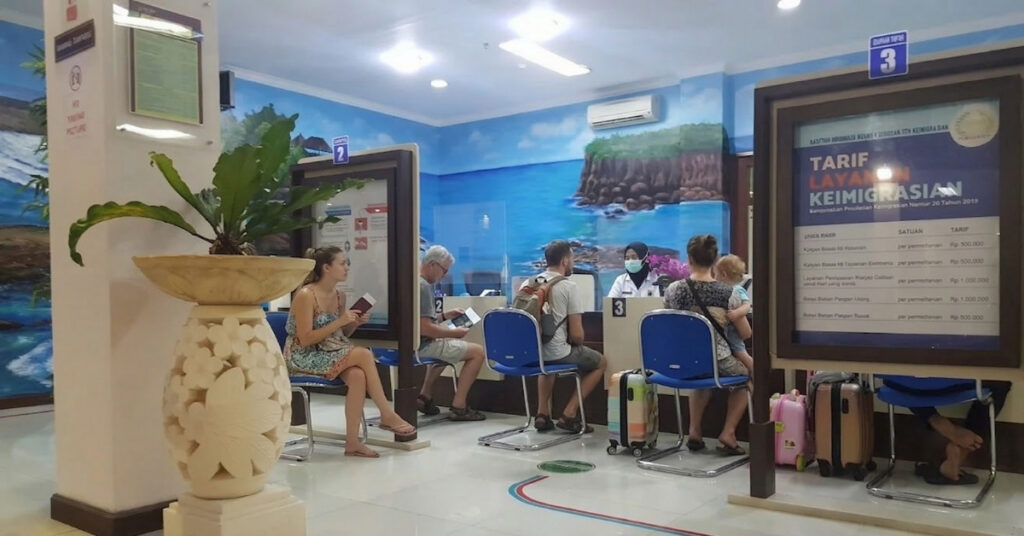
Moving house in Indonesia is not just about boxes, trucks, and packing.
If you hold a visa or stay permit, an address change also means dealing with address mutation in Indonesia – the process of updating your official address with the immigration office and local civil registry.
This guide walks you through what address mutation is, why it matters, how the process works, and what documents you need so you can stay compliant, avoid fines, and keep life simple.
Table of Contents
What is address mutation in Indonesia?
In simple terms, address mutation is the official update of your registered address in Indonesia when you move to a new residence.
For foreigners, this usually means:
- Updating the address on your limited stay permit (KITAS / ITAS) or permanent stay permit (KITAP / ITAP) with the Indonesian immigration office, and
- Make sure your civil registry records (SKTT, foreigner e-KTP, etc.) match that new address.
Under immigration regulations, foreigners who live in Indonesia must report changes in civil status, sponsorship, and address to the relevant immigration office. This duty is written into Law No. 6 of 2011 on Immigration.
If you don’t update your address, your immigration records and civil records no longer match where you really live. That can create problems later with visa extensions, banking, and other services you need while living in the country.
Why addressing mutation is a legal requirement
For long-term residents, address mutation is not just a nice-to-have. It is a legal requirement.
Immigration side
Immigration law says that foreigners residing in Indonesia must report any address change to the local immigration office that handles their file. Your guarantor or sponsor (company, spouse, or other guarantor) is also responsible for helping you report these changes.
If you fail to report:
- You can face penalties and fines (in some cases, up to IDR 25 million).
- You may experience delays or even refusal when you apply for visa extensions or other permits.
- It can lead to extra questions or checks when you deal with immigration authorities later.
Civil registry side
On the civil side, the Population Administration Law requires residents to keep their official residence data up to date. For foreigners with a stay permit, this usually means:
- Holding a valid SKTT (Surat Keterangan Tempat Tinggal) while you have a limited stay permit (KITAS), and
- Switching to a foreign e-KTP when you hold a permanent stay permit (KITAP).
These documents give you a NIK (national ID number) similar to an Indonesian ID card, which you often need for:
- Opening bank accounts
- Registering for health insurance
- Signing contracts
- Getting utility access and other services
If your SKTT or foreign ID still shows your old location, you may run into complications and extra paperwork.
Who needs an address mutation?

You should consider updating your address in Indonesia whenever your residential address changes.
Foreigners who must update
You need to report an address change if you are:
- A foreign worker on a work KITAS
- An investor, retiree, or digital nomad on a stay permit
- A spouse-sponsored KITAS/KITAP holder
- A student on a study KITAS
- A dependent (children, spouse) whose permit is tied to the main sponsor
The rule is simple: if your permit shows one city or location, but you actually relocate to another address, you must submit an update.
Indonesians and mixed families
Indonesian citizens also have to update their address on their KK and KTP when they move, especially if they move to a different regency or province. If you live in a mixed family (Indonesian + foreign spouse), it’s smart to update both the foreigner’s permits and the Indonesian partner’s civil records at the same time so everything stays aligned.
Key players: immigration and local authorities
When you move, you deal with at least two types of authorities:
- Immigration authorities
- The local immigration office (Kantor Imigrasi) that issued or now handles your stay permit.
- If you move within the same immigration office area, your case remains with that office.
- If you move to a different area, you may have to handle a “mutasi keluar / mutasi masuk” between offices.
- Local authorities and the civil registry
- The local kelurahan or village office and neighborhood leader (RT/RW) will confirm your new residence.
- The relevant local authority at the Population and Civil Registration Office (Dukcapil / Disdukcapil), which issues SKTT or foreigner ID cards.
Think of it as two tracks running side by side:
immigration track (permits and stays) and population track (ID and NIK records). Both need your correct address in Indonesia.
The crucial domicile letter
Before you touch immigration or Dukcapil, you almost always need a domicile letter (Surat Keterangan Domisili).
A domicile letter is a crucial document confirming where you actually live. It is issued by the local government and is often the crucial document that unlocks the rest of the process.
- You usually get it from the local kelurahan, village head, or banjar (in Bali).
- It is based on your lease, landlord’s statement, or house ownership documents.
- It serves as proof of address when you deal with the immigration office, bank, school, and other institutions.
Without a valid domicile letter, many offices will not process your address mutation or related documents.
Step-by-step: updating your address with Immigration
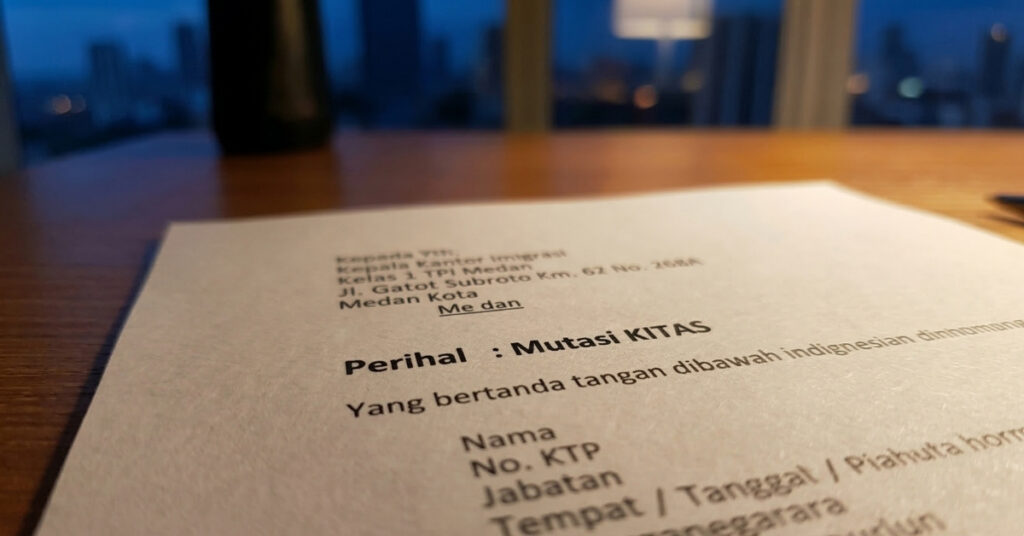
Let’s walk through a common scenario: you are a KITAS holder who is moving to a new place.
1. Immigration Address Mutation Letter
If you move to a new area under a different Immigration Office, you must first obtain a mutation letter from your current (old) office to “release” your file to the new one.
- Where to Get It: Visit the Immigration Office that currently holds your file.
- Requirements:
- Application Letter: Signed by your sponsor with a materai (tax stamp).
- Guarantee Letter: From your sponsor.
- New Domicile Letter: Obtained from your new local neighborhood head (RT/RW or Banjar).
- Original Passport & KITAS: To be presented for verification.
- The Result: Immigration will issue a reference/cover letter for address mutation that you must take to the new Immigration Office to complete your registration.
2. Civil Registry Mutation Letter (SKPOA)
If you are moving between cities or provinces, you need a Surat Keterangan Pindah Orang Asing (SKPOA) to update your SKTT.
- Where to Get It: The Dukcapil (Civil Registry) office or Mal Pelayanan Publik (MPP) in your current city.
- Requirements:
- Current SKTT: The original document from your old address.
- Sponsor Documents: Photocopies of your sponsor’s ID (KTP) and Family Card (KK).
- Passport & KITAS: Photocopies along with original documents for showing.
- Registration Form: Usually available at the Dukcapil office (Form F-1.03).
- The Result: You will receive the SKPOA, which you then submit to the Dukcapil in your new city to receive a new SKTT with the updated address.
General Timeline & Cost
- Timing: You are legally required to report changes within 14 days of the move.
- Processing: It typically takes 2 to 5 business days for Immigration and up to 7 business days for Dukcapil.
- Official Cost: Government fees for these specific letters are generally free or have a nominal administrative cost, though service agents may charge for handling.
Final checklist before and after you move
To wrap up, here’s a quick checklist you can save:
- Confirm which immigration office and Disdukcapil will handle your new address.
- Get your lease and landlord data ready.
- Request a domicile letter from your local kelurahan or neighborhood.
- Collect all required documents (passport, stay permit, sponsor documents, sponsorship letter, ID copies).
- Submit an address mutation to the relevant immigration office.
- Wait for approval and check that your immigration records now show the correct location.
- Update your SKTT or foreigner ID at the relevant local authority (Disdukcapil).
- Update banks, tax office, insurance, and other places with your new residence.
- Keep all receipts, letters, and copies in one folder.
- Set a reminder a few weeks before your next visa extensions or permit renewals so you never fall behind.
If you treat address mutation as part of your normal “moving” routine, just like changing the locks or setting up internet, you will protect your legal status, keep your records clean, and make life in Indonesia much smoother.
Ready to Apply or Extend Your Visa?
Let our visa specialists handle your application.





 English
  Bahasa Indonesia
  Español
  Italiano
  Français
  日本語
日本語  Nederlands
  繁體中文
繁體中文  한국어
한국어  Norsk bokmål
  Svenska
  Dansk
Dansk  Türkçe
  Polski
  香港中文
香港中文  简体中文
简体中文  Українська
  Русский
  Bahasa Melayu