










Sebelum mengemas beg anda, pastikan anda memenuhi syarat kemasukan terkini ke Indonesia. Sama ada anda terbang ke Bali untuk percutian singkat atau melawat bahagian lain di kepulauan itu, pengembara mesti mempunyai pasport yang sah, tiket pulang, dan (dalam kebanyakan kes) visa yang betul.
Kebanyakan warganegara boleh memasuki Bali dengan Visa Setibanya, manakala yang lain mungkin layak mendapat Visa Percuma. Bergantung pada negara asal dan tempoh penginapan anda, keperluan visa untuk Indonesia akan berbeza, dan kegagalan mematuhi boleh mengakibatkan penolakan kemasukan atau denda.
Dalam panduan ini, kami akan menerangkan semua keperluan perjalanan untuk Indonesia dan Bali, termasuk deklarasi kastam, cukai pelancong, jenis visa, dan protokol kesihatan, supaya anda tiba dengan bersedia dan mengelakkan kejutan.
Keperluan Pra-Perjalanan
Sebelum melancong ke Indonesia, adalah penting untuk memenuhi keperluan sebelum perjalanan. Ini termasuk memohon visa secara dalam talian atau melalui laman web rasmi imigresen. Prosesnya mudah, dan anda mesti menyediakan maklumat peribadi asas, jadual perjalanan, dan sebarang dokumen sokongan yang diperlukan.
Setelah diluluskan, anda akan menerima pasport elektronik yang mesti anda tunjukkan semasa ketibaan di Indonesia. Pelancong Australia boleh memohon visa sekali masuk atau e-Visa, yang membolehkan mereka tinggal di Indonesia sehingga 60 hari.
Pasport dan dokumen peribadi untuk disediakan
Indonesia mempunyai keperluan kemasukan yang tepat; terlepas walaupun butiran kecil boleh menyebabkan kelewatan atau penolakan kemasukan. Sebagai contoh, pasport yang rosak, walaupun hanya menunjukkan keausan biasa yang menjejaskan kebolehbacaan atau pengimbasan, mungkin menyebabkan penolakan kemasukan. Jadi, sebelum menempah tiket penerbangan atau memohon visa, semak dokumen anda agar semuanya teratur, terutamanya pasport untuk melawat Indonesia.
Anda memerlukan:
- A Kesahihan pasport sekurang-kurangnya 6 bulan daripada anda kemasukan ke Indonesia. Sesetengah visa memerlukan 12 bulan; semak jenis anda yang khusus sebelum memohon. Pelancong yang menggunakan pasport elektronik (biometrik) mungkin layak untuk menggunakan pintu imigresen automatik di Lapangan Terbang Bali, membantu mempercepat kemasukan.
- Sekurang-kurangnya satu halaman kosong untuk cop imigresen.
- An pasport yang tidak rosak. Pasport yang rosak, walaupun yang menunjukkan keausan biasa yang menjejaskan kebolehbacaan atau pengimbasan, mungkin menyebabkan kemasukan ditolak.
- A tiket perjalanan pulang atau sambungan, terutamanya jika memohon untuk Visa Setibanya (VOA) atau e-VOA.
- Salinan cetak dan digital Pasport anda, kelulusan visa (jika berkenaan), dan sebarang surat tajaan atau jemputan berguna untuk checkpoint dan lanjutan visa.
Imigresen Indonesia menguatkuasakan peraturan ini dengan ketat, jadi menyediakan semua dokumen yang diperlukan sebelum berlepas adalah penting.
Syarat Visa Indonesia Berdasarkan Tujuan Perjalanan
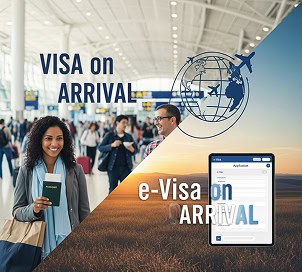
Memilih visa yang tepat membolehkan anda bersantai sebaik tiba. Indonesia menawarkan pelbagai visa, setiap satu direka untuk tujuan tertentu. Daripada berselancar hujung minggu hingga penyelidikan berbulan-bulan, permit disediakan untuk matlamat tersebut. Bahagian seterusnya akan membimbing anda melalui pilihan utama, termasuk Visa on Arrival (VOA), e-VOA, dan C1 Tourist Visa, masing-masing dengan tempoh penginapan, pilihan lanjutan, dan yuran tersendiri.
Visa Pelancong
Perlukan masa untuk melawat beberapa pantai, menziarahi keluarga, atau melawat kuil? Pilih visa yang sesuai dengan tempoh penginapan dan pasport anda:
| Visa | Tinggal | Bolehkah anda memanjangkan? | Yuran tipikal* |
| Visa Setibanya (VOA) | 30 hari | Satu lanjutan 30 hari di imigresen | IDR 500,000 |
| e-VOA | 30 hari | Ekstensi yang sama seperti VOA | IDR 500,000 (dibayar dalam talian) |
| C1 Visa Pelancong | 60 hari | Sehingga 180 hari keseluruhannya (dua pembaharuan 60 hari) | Dari IDR 2 000 000 |
Yuran berubah; semak imigresen.go.id sebelum anda memohon.
Perkara utama
- VOA tersedia untuk pemegang pasport dari lebih 90 negara. Jika anda memohon e-VOA secara dalam talian melalui platform rasmi, anda boleh melangkau barisan pembayaran di lapangan terbang.
- Visa Kemasukan Tunggal C1 lebih sesuai untuk penginapan melebihi 30 hari atau pasport yang tidak layak untuk VOA. Jangka perlu menunjukkan bukti kewangan, tiket pulang atau tiket sambungan, dan kadangkala surat penaja tempatan.
- Jika negara anda tidak layak untuk VOA, memohon e-visa terlebih dahulu sering kali merupakan pilihan terbaik untuk mengelakkan kelewatan di imigresen.
- Lanjutan masa tinggal dikenakan IDR 1,000,000 sehari. Perhatikan tarikh cop keluar; alasan “waktu pulau” tidak diterima di kaunter imigresen.
Visa Perniagaan
Tidak semua perjalanan adalah waktu bermain pelancong. Jika anda merancang untuk bertemu pelanggan, mengaudit kilang, atau menghadiri latihan jangka pendek, anda memerlukan visa perniagaan yang sesuai dengan jadual anda.
| Visa | Tinggallah setiap lawatan | Kesahihan keseluruhan | Bolehkah anda memanjangkan? | Yuran tipikal* |
| Visa Perniagaan Kemasukan Tunggal C2 | 60 hari | 60 hari | Sehingga 180 hari (dua pembaharuan selama 60 hari) | Dari IDR 2 000 000 |
| D212 Visa Perniagaan Pelbagai Kemasukan | 60 hari untuk setiap kemasukan | satu tahun | Tidak | Dari IDR 3 000 000 |
Yuran berubah; lihat imigresen.go.id untuk kadar semasa.
Apa yang perlu diketahui
- Surat penaja adalah wajib. Rakan kongsi atau majikan anda di Indonesia mesti mengemukakan permintaan melalui portal Kelulusan Visa Dalam Talian sebelum anda terbang.
- Mesyuarat, kajian pasaran, latihan, dan perkhidmatan selepas jualan adalah aktiviti yang dibenarkan. Pekerjaan berbayar tidak dibenarkan, tetapi bekerja dari jauh untuk majikan asing boleh diterima jika mesyuarat adalah sebab utama perjalanan.
- Bukti dana: Merancang untuk menunjukkan sekurang-kurangnya USD 2,000 (baki bank atau had kredit) dan tiket keluar yang disahkan.
- Panjangan & pembaharuan: Pembaharuan C2 untuk kemasukan tunggal memerlukan ejen tempatan. D212 untuk kemasukan berbilang mengelakkan urusan kertas di tengah perjalanan, tetapi anda mesti keluar setiap 60 hari.
- Melebihi tempoh denda: IDR 1,000,000 sehari, dibayar sebelum berlepas.
Visa Kerja (KITAS E23)
Jika anda mengambil pekerjaan berbayar di Indonesia, anda memerlukan Bekerja dengan KITAS (E23), bukan visa pelancong atau perniagaan. Permit penginapan terhad ini diikat kepada majikan tertentu dan memerlukan penajaan syarikat serta kelulusan imigresen sebelum anda tiba.
| Jenis Visa | Kesahihan | Bolehkah anda memanjangkan? | Siapa yang memohon? | Yuran tipikal* |
| KITAS E23 (Kerja) | 6 atau 12 bulan | Ya (boleh diperbaharui setiap tahun) | Majikan (melalui ejen visa yang dibenarkan) | Dari IDR 10–15 juta termasuk pemprosesan |
Yuran berbeza mengikut ejen, jenis kerja, dan kelajuan pemprosesan.
Apa yang anda perlukan:
- Sebuah syarikat penaja di Indonesia terdaftar dengan kerajaan dan mempunyai kuota permit kerja.
- Kontrak pekerjaan dan deskripsi kerja terperinci.
- Bukti kelayakan (ijazah, sijil) selaras dengan pekerjaan anda.
- Kelulusan visa (Telex) dikeluarkan sebelum perjalanan.
- Laporan wajib di pejabat imigresen sebaik sahaja anda tiba.
Bagus untuk diketahui:
- Anda tak boleh bekerja bebas atau menukar syarikat tanpa memulakan semula keseluruhan proses. KITAS adalah khusus untuk majikan.
- KITAS Bergantung Tersedia untuk pasangan atau anak-anak anda, tetapi perlu memohon secara berasingan.
- Jika anda meninggalkan syarikat, KITAS anda mesti dibatalkan dan digantikan dengan permit lain atau permit keluar (EPO).
Visa Nomad Digital (E33G)
The Visa E33G membolehkan pekerja jauh tinggal di Indonesia sambil bekerja untuk syarikat atau pelanggan yang berpangkalan di luar negara. Anda boleh secara sah menikmati kehidupan di Bali, Jawa, atau kawasan lain tanpa majikan tempatan atau rakan kongsi perniagaan.
| Jenis Visa | Kesahihan | Bolehkah anda memanjangkan? | Boleh bekerja dari jauh? | Yuran tipikal* |
| E33G Visa Nomad Digital | 180 hari | Tidak boleh dipanjangkan | Ya (pendapatan luar negara sahaja) | Dari IDR 2–4 juta |
*Yuran mungkin berbeza bergantung kepada ejen, kewarganegaraan, atau kelajuan pemprosesan.
Keperluan:
- Bukti pendapatan jauh (contohnya, penyata bank, invois pelanggan).
- Tiada pekerjaan tempatan. Anda mesti bekerja untuk entiti atau pelanggan bukan Indonesia.
- Kelulusan Telex diperlukan sebelum kemasukan, dan anda boleh memohon dalam talian melalui ejen visa berlesen atau penaja.
- Baki bank minimum, biasanya sekurang-kurangnya USD 2,000.
- Insurans kesihatan dengan liputan di Indonesia.
Visa Pengajian & Penyelidikan
Sama ada anda mengikuti kelas bahasa di Bali atau menjalankan kerja lapangan untuk tesis, anda memerlukan visa yang betul untuk belajar atau menjalankan penyelidikan akademik di Indonesia secara sah.
| Jenis Visa | Tujuan | Kesahihan | Bolehkah anda memanjangkan? | Yuran tipikal* |
| Visa Pelajar C9 | Kursus bahasa, pendidikan sepenuh masa | 6 atau 12 bulan | Ya | Dari IDR 1.5–3 juta |
| Visa Penyelidikan C11 | Penyelidikan akademik atau saintifik | 6 atau 12 bulan | Ya | Dari IDR 2–4 juta |
Yuran berbeza-beza bergantung kepada institusi, ejen pemprosesan, dan kelajuan kelulusan.
Keperluan utama:
- Surat penerimaan atau jemputan* daripada institusi berdaftar di Indonesia (sekolah atau hos penyelidikan).*
- Permit penyelidikan* daripada Kementerian Penyelidikan dan Teknologi (bagi pemegang visa C11).*
- Surat penajaan* dan permohonan visa mesti dikemukakan sebelum memasuki Indonesia.*
- Bukti dana* dan pelan penginapan.
- Insurans kesihatan* sah di Indonesia. * Kesedaran tentang penyakit berjangkit dan mengambil langkah berjaga-jaga kesihatan yang diperlukan juga penting.
Bagus untuk diketahui:
- Kebanyakan visa untuk tujuan pengajian dan penyelidikan adalah Berkaitan dengan sebuah institusi tertentu, jadi jika sekolah atau projek penyelidikan anda berubah, anda akan memerlukan visa baru.
- Anda tidak boleh bekerja dengan visa ini, termasuk bekerja dari jauh untuk pelanggan luar negara.
- Selepas ketibaan, pemegang visa mesti daftar dengan imigresen tempatan dan mungkin perlu melapor diri di balai polis terdekat, terutamanya di zon penyelidikan.
Visa Wartawan
Jika anda merancang untuk merakam video, mengambil gambar, atau membuat laporan secara profesional, bahagian ini untuk anda.
Persetujuan mesti diperoleh melalui kementerian Indonesia yang sesuai sebelum memohon visa khusus seperti penyelidikan atau kewartawanan. Anda perlu menyediakan kelayakan, jadual perjalanan terperinci, dan senarai sebarang peralatan media yang anda bawa. Ia sah untuk kira-kira 60 hari, dan sambungan boleh diatur berdasarkan skop projek anda.
Visa Persaraan
Jika anda berumur 60 tahun atau lebih dan ingin menikmati tahun-tahun emas anda di Bali atau di tempat lain di Indonesia, KITAS Persaraan Menawarkan cara sah dan boleh diperbaharui untuk tinggal jangka panjang tanpa bekerja atau memulakan perniagaan.
| Jenis Visa | Kesahihan | Bolehkah anda memanjangkan? | Boleh bekerja? | Yuran tipikal* |
| C319 Persaraan KITAS | satu tahun | Ya (setiap tahun) | Tidak | Dari IDR 15–20 juta (termasuk yuran ejen) |
Keperluan asas:
- Mesti 60 tahun atau lebih pada masa permohonan.
- Insurans kesihatan dan insurans hayat adalah Sah di Indonesia.
- Pendapatan bulanan minimum sekitar USD 1,500 (pencen atau pendapatan pasif).
- Pajakan sewa di Indonesia sekurang-kurangnya 12 bulan.
- Penggunaan satu ejen visa bertauliah, visa ini tidak boleh dipohon sendiri.
Apa yang perlu diingat:
- Anda tidak boleh bekerja, menjadi sukarelawan, atau menjalankan perniagaan pada visa ini.
- KITAS mesti diperbaharui setiap tahun, dan anda akan memerlukan dokumen terkini setiap kali.
- A Pasangan boleh memohon KITAS tanggungan., tetapi pemohon utama mesti memenuhi semua keperluan.
- Selepas tiba, anda mesti melapor kepada imigresen dan mungkin akan menerima lawatan rumah untuk pengesahan.
Perlukan bantuan lanjut mengenai syarat kemasukan ke Indonesia atau Bali?
Jangan risau, kami akan membantu anda menyelesaikannya dalam beberapa minit sahaja. Sokongan kami tersedia dalam 14 bahasa, jadi anda boleh bertanya dan mendapatkan jawapan dalam bahasa ibunda anda.
[Tanya di Sembang Langsung]
Prosedur Kastam dan Imigresen
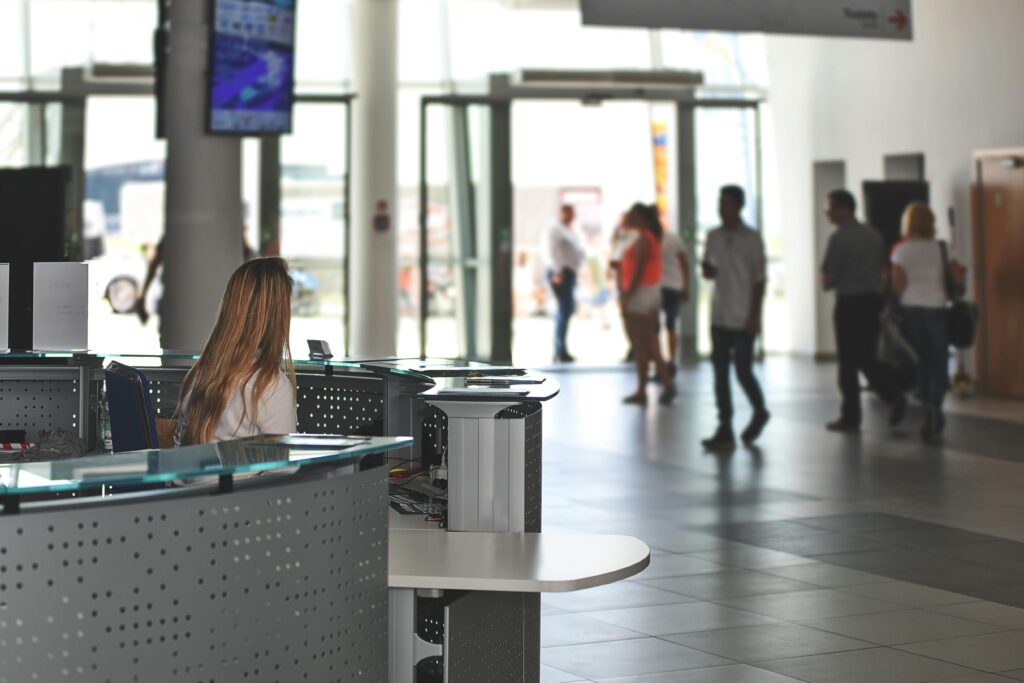
Setelah anda tiba di Indonesia, pos pemeriksaan pertama anda ialah imigresen. Pegawai akan memeriksa pasport anda (berkuat kuasa sekurang-kurangnya enam bulan dan dalam keadaan baik), menyemak jenis visa anda, serta mengimbas cap jari dan gambar anda.
Jika anda melancong dengan visa on arrival, e-VOA, visa pelancong C1, atau sebarang jenis KITAS, sediakan dokumen anda. Ini termasuk kelulusan visa (Telex), kod QR untuk e-VOA, atau KITAS yang dicetak. Pelancong yang memegang visa elektronik perlu mencetak salinan atau menyimpan kod QR untuk ditunjukkan semasa imigresen tiba.
Nomad digital dan pesara juga perlu membawa salinan surat penaja mereka sekiranya diminta. Anda juga mungkin diminta untuk menunjukkan bukti penerbangan pulang atau sambungan, terutamanya jika anda masuk dengan visa pelancong. Adalah penting untuk memasukkan sejarah perjalanan anda dalam Pas Kesihatan SATUSEHAT bagi saringan semasa ketibaan.
Deklarasi Kastam: Lakukan sebelum anda terbang
Sebelum berlepas atau semasa penerbangan anda, lengkapkan Indonesia's Deklarasi Kastam Elektronik (e-CD) borang dalam talian di ecd.beacukai.go.id. Setelah dihantar, anda akan menerima kod QR, simpan tangkapan skrin atau cetak salinan untuk ditunjukkan kepada kastam. Pergi ke kios kastam di lapangan terbang, imbas kod QR anda dan teruskan.
Jika anda membawa barangan bernilai melebihi USD 500, kuantiti besar elektronik, ubat-ubatan tertentu, atau barangan lain yang memerlukan penyata, sila ke saluran merah untuk pemeriksaan. Untuk apa sahaja yang anda tidak pasti, adalah lebih selamat untuk bertanya. Ingat bahawa dadah, senjata, dan bahan lucah adalah dilarang sama sekali dan boleh mengakibatkan tindakan undang-undang.
Sekatan Perjalanan
Pihak berkuasa Indonesia telah melaksanakan pelbagai sekatan perjalanan untuk memastikan keselamatan dan perlindungan pelancong antarabangsa. Sekatan ini termasuk keperluan perjalanan susulan, seperti menempah tiket penerbangan susulan, dan sekatan ke atas warganegara tertentu. Sebagai contoh, warganegara sesetengah negara mungkin memerlukan kebenaran daripada Pejabat Ibu Pejabat Imigresen Indonesia sebelum visa dikeluarkan. Adalah penting untuk menyemak laman web rasmi imigresen bagi maklumat terkini mengenai sekatan perjalanan dan keperluan. Kekal maklum tentang sekatan ini akan membantu anda merancang perjalanan dengan lebih berkesan dan mengelakkan sebarang isu berpotensi di sempadan.
Keperluan Perjalanan Tambahan
Cukai Pelancong Bali
Syarat untuk memasuki Bali adalah serupa dengan wilayah lain di Indonesia tetapi termasuk duti pelancongan khusus yang unik bagi pulau itu. Jika anda melawat Bali, anda mesti membayar a cukai pelancongan wajib sebanyak IDR 150,000 (kira-kira USD 10). Cukai ini digunakan oleh kerajaan Bali untuk menyokong inisiatif kelestarian dan pelancongan tempatan, mempamerkan usaha mereka dalam mengurus pelancongan secara lestari. Anda boleh membayar cukai ini secara dalam talian di lovebali.baliprov.go.id atau kaunter pembayaran yang ditetapkan berhampiran imigresen di Lapangan Terbang Bali jika anda belum membayar secara dalam talian terlebih dahulu.
Sebelum perjalanan anda atau di lapangan terbang semasa ketibaan. Pengesahan pembayaran akan diberikan dalam bentuk kod QR; simpan tangkapan skrin atau cetak salinan untuk ditunjukkan di checkpoint.
Kewangan dan Kesiapsiagaan Pembayaran
Indonesia adalah negara yang mesra tunai, jadi adalah bijak untuk membawa sedikit wang tunai. Rupiah Indonesia (IDR) Setibanya. Lapangan terbang, hotel utama dan pusat beli-belah menerima kad kredit, tetapi peniaga kecil lebih suka wang tunai, terutamanya di pasar tempatan atau kawasan terpencil. Gunakan penukar wang bertauliah atau mesin ATM di lapangan terbang untuk kadar pertukaran terbaik. Maklumkan kepada bank anda sebelum melakukan perjalanan untuk mengelakkan transaksi kad yang dihalang.
Selain itu, sediakan sedikit wang tunai untuk yuran lapangan terbang kecil, troli bagasi, atau memberi tip kepada porter.
Kad SIM Tempatan dan Akses Internet
Telefon asing mesti Didaftarkan IMEI jika anda merancang untuk menggunakan kad SIM Indonesia lebih daripada 90 hari. Pelancong jangka pendek boleh membeli pakej SIM pelancong di lapangan terbang tanpa pendaftaran. Telkomsel, XL, dan IM3 adalah penyedia yang paling meluas digunakan. Harga pelan data asas bermula dari IDR 50,000 hingga 150,000, bergantung pada liputan dan kelajuan.
Untuk penginapan lebih daripada tiga bulan, adalah lebih baik untuk mendaftarkan IMEI telefon anda di kios kastam atau secara dalam talian sebelum membawanya ke Indonesia. Jika tidak, perkhidmatan mudah alih mungkin berhenti berfungsi selepas 90 hari.
Cuaca, Pakaian, dan Perancangan Musiman
Indonesia mempunyai dua musim utama: kering (Mei–Oktober) dan basah (November–April). Bawa pakaian ringan dan bernafas untuk iklim lembap, dan sentiasa bawa pelindung hujan, walaupun semasa musim kering. Jika anda melawat semasa cuti besar seperti Nyepi di Bali atau Ramadan Di kawasan yang majoritinya Muslim, jangka perkhidmatan tertentu akan terhenti atau beroperasi pada waktu terhad.
Menyemak kalendar tempatan dan ramalan cuaca sebelum perjalanan anda membantu mengelakkan kejutan dan memastikan perjalanan merentasi pulau-pulau berjalan dengan lebih lancar.
Pergaan dan Keluar
Tempoh sah Visa dan Peraturan Melebihi Tempoh
Sebelum meninggalkan Indonesia, semak semula dokumen anda. tarikh luput visa. Melebihi tempoh yang dibenarkan diambil serius, walaupun hanya sehari, dan akan mengakibatkan denda IDR 1,000,000 sehari, boleh dibayar di lapangan terbang sebelum anda dibenarkan menaiki kapal terbang. Penginapan melebihi tempoh (melebihi 60 hari) boleh menyebabkan penahanan, penyenaraian hitam, atau pengusiran keluar atas kos anda sendiri.
Tetapkan peringatan beberapa hari sebelum visa anda tamat untuk mengelakkan masalah. Jika anda berada di bawah visa pelancong atau perniagaan dan memerlukan lebih masa, uruskan permohonan lanjutan dengan segera.
Prosedur Kastam dan Lapangan Terbang
Proses kastam biasanya mudah apabila anda keluar dari negara. Anda tidak perlu mengisi borang kastam lagi melainkan anda membawa barangan yang dibeli di Indonesia yang memerlukan penyata (seperti peralatan elektronik bernilai tinggi atau sejumlah wang tunai yang banyak).
Jaga milik anda pasport, cetakan visa, dan kad berlepas Mudah diakses. Jika anda telah berada di bawah KITAS atau visa tinggal lama, pegawai imigresen lapangan terbang mungkin akan meminta izin keluar (EPO) atau pengesahan bahawa visa anda telah dibatalkan dengan betul.
Cukai Lapangan Terbang dan Petua Pengembaraan
Kebanyakan penerbangan antarabangsa dari Bali dan Jakarta kini termasuk cukai lapangan terbang dalam tiket penerbangan anda, jadi biasanya tidak perlu membayarnya secara berasingan. Namun, mempunyai sedikit wang kecil (IDR 50,000–100,000) Berguna untuk pembelian di lapangan terbang saat akhir, petua, atau perkhidmatan bagasi adalah satu idea yang baik.
Untuk menjadikan keberangkatan anda bebas tekanan:
- Tiba 2–3 jam sebelum penerbangan anda, terutamanya dari Bali atau Jakarta.
- Mempunyai salinan cetak atau digital anda visa, dokumen imigresen, dan tiket pulang.
- Semak keperluan khusus syarikat penerbangan, terutamanya jika anda membuat sambungan melalui negara lain.
Keperluan perjalanan boleh berubah dengan pantas, jadi sentiasa semak dengan pihak berkuasa Indonesia atau portal rasmi untuk peraturan semasa.
Petua dan Peringatan Pengembaraan
Berikut adalah beberapa petua dan peringatan perjalanan untuk memastikan perjalanan ke Indonesia berjalan lancar dan menyenangkan. Berhati-hatilah dengan adat dan peraturan tempatan, serta hormatilah budaya dan alam sekitar Indonesia. Disyorkan juga agar anda mempunyai insurans perjalanan yang menampung penginapan anda di Indonesia.
Akhir sekali, sentiasa maklum tentang keperluan dan peraturan perjalanan terkini, dan daftar dengan polis tempatan jika anda menginap di penginapan persendirian. Berhati-hatilah apabila membayar visa dan elakkan ejen visa palsu yang mungkin mengambil wang anda tanpa menyediakan visa yang betul. Dengan mengikuti petua dan peringatan ini, anda akan bersedia sepenuhnya untuk perjalanan ke Indonesia dan boleh menumpukan perhatian untuk menikmati segala yang ditawarkan oleh negara yang indah ini.
 English
  Bahasa Indonesia
  Español
  Italiano
  Français
  日本語
日本語  Nederlands
  繁體中文
繁體中文  한국어
한국어  Norsk bokmål
  Svenska
  Dansk
Dansk  Türkçe
  Polski
  香港中文
香港中文  简体中文
简体中文  Українська
  Русский
  Bahasa Melayu