












Purata Gaji di Bali 2026: Gaji Minimum, Gaji Tempatan
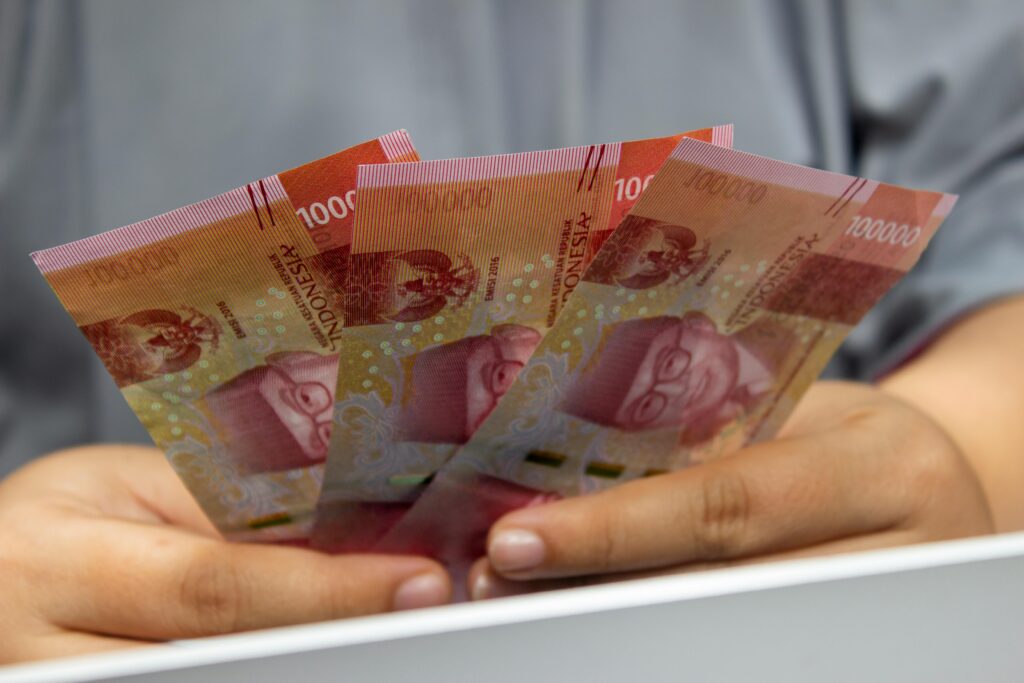
Pada tahun 2026, gaji minimum rasmi peringkat negeri Bali ialah Rp3,207,459 sebulan. Sesetengah kawasan mempunyai tahap gaji minimum tempatan yang lebih tinggi. Badung, di mana banyak kawasan pelancongan terkenal terletak, mempunyai gaji minimum terendah tertinggi di Bali sebanyak Rp3,791,002.57 sebulan. Denpasar seterusnya pada Rp3,499,878.78 sebulan, Gianyar pada Rp3,316,798.48 sebulan, dan Tabanan pada Rp3,287,678.87 sebulan.
Pelayan, kakitangan vila, pengurus hotel, akauntan, pemandu, pemasar digital, dan ahli terapi spa mungkin semua bekerja di pulau yang sama, tetapi gaji mereka boleh berbeza dengan ketara. Pekerja peringkat permulaan dan mereka dalam peranan bukan khusus sering memperoleh hampir dengan gaji minimum. Pekerja mahir, kakitangan dwibahasa, pengurus, dan pekerja yang mempunyai ijazah universiti boleh memperoleh jauh lebih banyak.
Panduan ini menerangkan peraturan gaji rasmi Bali, purata gaji, julat gaji mengikut jenis pekerjaan, imbuhan yang adil, kos sara hidup, pertumbuhan ekonomi, dan apa yang perlu diketahui oleh majikan sebelum mengambil pekerja di Bali.
Jadual Kandungan
Intipati Utama
| Soalan | Jawapan pantas |
| Bali UMP 2026 | Rp3,207,459 sebulan |
| Upah sektor pelancongan Bali 2026 | Rp3,267,693 sebulan |
| Gaji minimum tertinggi di Bali | Badung: Rp3,791,002.57 sebulan |
| Upah minimum Denpasar 2026 | Rp3,499,878.78 sebulan |
| Purata gaji bersih di Bali | Sekitar Rp3.64 juta sebulan |
| Kawasan tempatan dengan gaji tertinggi | Badung, Denpasar, Gianyar, dan kawasan pelancongan yang sibuk |
| Punca utama mengapa gaji berbeza-beza | Kemahiran kerja, lokasi, pendidikan, bahasa, industri, dan faedah |
| Penggunaan terbaik panduan ini | Perancangan gaji, pengambilan, peruntukan belanjawan, dan pematuhan pekerjaan |
Purata Gaji vs Gaji Minimum di Bali: Apakah Bezanya?
Banyak orang menggunakan upah, gaji, pendapatan, dan bayaran secara bergantian. Mereka saling berkaitan, tetapi tidak selalu sama.
Upah minimum ialah bayaran bulanan terendah seorang majikan mesti secara sah memberikan kepada pekerja yang layak. Di Bali, paras lantai gaji sah ini boleh bergantung kepada wilayah, bandar, daerah, dan sektor perniagaan.
Purata gaji menunjukkan apa yang diperoleh pekerja merentasi pelbagai pekerjaan. Ia biasanya dikira daripada data tinjauan gaji atau data buruh rasmi. Gaji median, atau pendapatan bulanan median, menunjukkan titik tengah antara golongan berpendapatan terendah dan tertinggi. Gaji kasar bermaksud bayaran sebelum potongan, manakala gaji bersih bermaksud wang yang sebenarnya dibawa pulang oleh pekerja.
Perbezaan ini penting kerana gaji asas yang sah, purata gaji, dan julat gaji profesional boleh menunjukkan angka yang sangat berbeza.
Upah Minimum Bali 2026: UMP, UMK, UMSP, dan UMSK
Bali mempunyai beberapa terma gaji rasmi. Versi ringkasnya ialah: beberapa peraturan gaji terpakai di seluruh wilayah, beberapa terpakai di sebuah bandar atau daerah, dan beberapa terpakai kepada sektor perniagaan tertentu.
Istilah utama adalah:
- UMP: ambang gaji peringkat negeri.
- UMK: ambang gaji minimum bandar atau daerah.
- UMSP: ambang gaji sektor peringkat wilayah.
- UMSK: ambang gaji sektor bandar atau daerah.
Untuk tahun 2026, UMP Bali ialah Rp3,207,459 sebulan.. Bali juga mempunyai gaji sektor provinsi sebanyak Rp3,267,693 sebulan untuk sektor hotel pelancongan, penginapan, serta makanan dan minuman tertentu.
Kerana pelancongan adalah salah satu enjin pertumbuhan ekonomi Bali, peraturan gaji dalam sektor hospitaliti penting bagi pekerja dan majikan.
Gaji Minimum Bali 2026 mengikut daerah dan bandar
Ambang gaji rasmi Bali Tidak sama di semua tempat. Kawasan yang mempunyai lebih banyak pelancongan, aktiviti perniagaan yang lebih giat, pertumbuhan ekonomi, dan kos sara hidup yang lebih tinggi sering mempunyai tahap gaji yang lebih tinggi.
Berikut ialah jadual gaji minimum 2026 untuk Bali:
| Kawasan di Bali | 2026 Gaji Minimum |
| Badung | Rp3,791,002.57 |
| Denpasar | Rp3,499,878.78 |
| Gianyar | Rp3,316,798.48 |
| Tabanan | Rp3,287,678.87 |
| Bangli | Rp3,207,459 |
| Buleleng | Rp3,207,459 |
| Jembrana | Rp3,207,459 |
| Karangasem | Rp3,207,459 |
| Klungkung | Rp3,207,459 |
Badung mempunyai kadar gaji minimum tertinggi di Bali. Ini tidak mengejutkan. Badung merangkumi banyak kawasan pelancongan yang sibuk seperti Canggu, Seminyak, Kuta, Jimbaran, Nusa Dua, dan Uluwatu. Kawasan-kawasan ini mempunyai lebih banyak hotel, vila, restoran, kelab, ruang kerja sama, perniagaan kesejahteraan, dan syarikat milik asing.
Denpasar juga tinggi kerana ia adalah bandar utama di Bali. Banyak pejabat, sekolah, hospital, perkhidmatan kerajaan, kedai dan perniagaan tempatan terletak di sana.
Gianyar merangkumi Ubud, yang mempunyai pasaran pelancongan, kesejahteraan, seni, dan hospitaliti yang kukuh. Tabanan juga sedang berkembang, terutamanya apabila orang berpindah lebih jauh dari bahagian pulau yang paling sibuk.
Untuk Bangli, Buleleng, Jembrana, Karangasem, dan Klungkung, gaji minimum peringkat wilayah digunakan apabila gaji bandar atau daerah yang berasingan tidak disenaraikan.
Upah Sektor Pelancongan dan Hospitaliti di Bali

Sesetengah perniagaan berkaitan pelancongan di Bali juga perlu menyemak peraturan gaji sektor, bukan sahaja gaji serantau umum.
Untuk tahun 2026, gaji sektor provinsi Bali ialah Rp3,267,693 sebulan. untuk sektor penginapan dan makanan serta minuman hotel tertentu. Badung juga mempunyai gaji sektor yang tersenarai sebanyak Rp3,828,912.60 sebulan. untuk perniagaan berkaitan hotel 4 bintang dan 5 bintang tertentu.
Ini penting kerana sebuah kedai kecil, restoran tempatan, vila, dan hotel besar mungkin tidak mengikuti piawaian gaji yang sama. Majikan harus sentiasa menyemak lokasi pekerja, pekerjaan, dan sektor perniagaan sebelum menetapkan gaji.
Apakah purata gaji di Bali?
Purata gaji di Bali adalah sekitar Rp3.64 juta sebulan berdasarkan data buruh terkini yang dikaitkan dengan BPS. Ini merujuk kepada purata gaji bersih, iaitu jumlah yang dibawa pulang selepas potongan asas.
Angka ini berguna, tetapi ia bukan penanda aras sejagat. Bagi kebanyakan orang, ia harus dianggap sebagai panduan umum, bukan peraturan tetap untuk setiap pekerja. Pekerja peringkat permulaan dalam peruncitan, perkhidmatan, dan peranan bukan khusus lain mungkin memperoleh hampir dengan gaji lantai yang ditetapkan oleh undang-undang. Pekerja mahir dalam hospitaliti, perakaunan, pemasaran, pengurusan, IT, reka bentuk, dan jualan sering memperoleh gaji yang lebih tinggi.
Berbanding dengan purata kebangsaan, tahap gaji di Bali sedikit lebih tinggi. Namun ia masih lebih rendah berbanding Jakarta, di mana terdapat lebih banyak pekerjaan dalam bidang korporat, kewangan, teknologi, dan pengurusan kanan. Pasaran buruh di Bali lebih dibentuk oleh pelancongan, hospitaliti, vila, kesejahteraan, restoran, dan perniagaan kecil.
Purata Gaji di Bali mengikut Tajuk Pekerjaan Popular
Tahap gaji di Bali banyak bergantung pada pekerjaan. Pulau yang sama boleh mempunyai julat gaji yang sangat berbeza untuk pekerja yang berlainan.
Di bawah adalah contoh gaji yang praktikal. Ini adalah anggaran pasaran, bukan kadar gaji rasmi mengikut undang-undang. Bayaran sebenar boleh berubah berdasarkan pengalaman, tahap kemahiran Bahasa Inggeris, jam kerja, caj perkhidmatan, tip, komisen, faedah, dan lokasi.
| Jenis Pekerjaan | Julat Gaji Bulanan Anggaran | Nota |
| Pelayan lelaki / Pelayan perempuan | Rp3.1 juta–Rp4.5 juta | Sering kali hampir dengan kadar gaji minimum yang ditetapkan oleh undang-undang, tetapi caj perkhidmatan dan tip boleh membantu. |
| Kakitangan runcit | Rp3juta–Rp4juta | Bergantung pada kedai, lokasi, dan sasaran jualan. |
| Pembantu Rumah / Kakitangan Villa | Rp3 juta–Rp5 juta | Boleh berubah berdasarkan syarat tinggal, beban kerja, dan saiz hartanah. |
| Terapis Spa | Rp3juta–Rp6juta+ | Petua dan komisen boleh meningkatkan jumlah pampasan. |
| Pemandu | Rp3.5 juta–Rp6 juta+ | Pemandu persendirian, pemandu syarikat, dan pemandu bebas mungkin memperoleh dengan cara yang berbeza. |
| Kakitangan Pentadbiran | Rp4juta–Rp7juta | Lebih tinggi dengan kemahiran Bahasa Inggeris dan komputer |
| Kakitangan Pemasaran Digital | Rp5 juta–Rp10 juta+ | SEO, iklan, kandungan, analitik, dan Bahasa Inggeris boleh meningkatkan gaji. |
| Akauntan / Kakitangan Kewangan | Rp5 juta–Rp12 juta+ | Pengalaman dan pensijilan itu penting. |
| Pengurus Villa | Rp6 juta–Rp15 juta+ | Bergantung pada bilangan vila, kakitangan, tetamu, dan tanggungjawab |
| Pengurus Restoran | Rp8 juta–Rp20 juta+ | Lebih tinggi di kawasan pelancongan yang sibuk dan tempat-tempat besar |
| Pengurus Hotel / Operasi | Rp10 juta–Rp30 juta+ | Bergantung pada saiz hotel, jabatan, dan senioriti |
Jawatan popular di Bali termasuk pelayan, barista, tukang masak, pemandu, pembantu rumah, penyambut tetamu, ahli terapi spa, pengurus vila, kakitangan pemasaran digital, pembantu jualan, akauntan, dan pengurus operasi.
Seorang individu dalam pekerjaan peringkat permulaan mungkin memberi tumpuan kepada gaji yang stabil dan faedah asas. Seorang pekerja mahir mungkin menjangkakan julat gaji yang lebih tinggi, lebih banyak kepercayaan, dan faedah yang lebih baik. Seorang pengurus mungkin dibayar untuk membuat keputusan, mengendalikan tetamu, kawalan kualiti, dan kepimpinan kakitangan.
Itulah sebabnya majikan tidak seharusnya menggunakan satu purata gaji untuk setiap jawatan. Perbandingan gaji yang baik haruslah mengambil kira jawatan, lokasi, tahap kemahiran, dan beban kerja sebenar.
Mengapa Gaji di Bali Berbeza Begitu Banyak
Gaji di Bali berbeza kerana pulau itu bukan satu pasaran buruh tunggal. Seorang pekerja di kampung yang tenang, sebuah hotel di Nusa Dua, sebuah vila di Canggu, sebuah restoran di Seminyak, dan sebuah pejabat di Denpasar mungkin menghadapi piawaian gaji yang berbeza.
Lokasi adalah salah satu faktor utama.. Badung, Denpasar, dan Gianyar biasanya mempunyai peluang pekerjaan yang lebih baik kerana mereka mempunyai lebih banyak pelancongan, aktiviti perniagaan, ruang kerja bersama, hotel, restoran, vila, dan pekerjaan yang berurusan dengan tetamu. Kawasan-kawasan ini juga cenderung mempunyai kos sara hidup yang lebih tinggi.
Industri juga penting. Pekerja hospitaliti mungkin menerima caj perkhidmatan, makanan, tip, atau kerja lebih masa. Pekerja runcit mungkin menerima komisen. Pekerja digital dan pejabat mungkin memperoleh lebih banyak jika mereka mempunyai kemahiran dalam SEO, pengiklanan, reka bentuk, perakaunan, media sosial, atau analitik.
Kemahiran dan pengalaman boleh meningkatkan gaji dengan cepat. Kebolehan bertutur dalam Bahasa Inggeris, pengurusan tetamu, kepimpinan, kemahiran komputer, kebolehan jualan, pengetahuan kewangan, dan ijazah universiti semuanya boleh meningkatkan julat gaji seorang pekerja. Pekerja yang hanya mempunyai pendidikan rendah masih boleh menjalankan banyak tugas penting dengan baik, tetapi sesetengah jawatan pejabat dan pakar mungkin memerlukan pendidikan tinggi atau latihan teknikal.
Kos sara hidup di Bali
Bali sering dipanggil mampu milik, terutamanya oleh pelancong dan nomad digital Mendapat mata wang asing. Tetapi bagi pekerja tempatan yang dibayar dalam rupiah, kos bulanan masih boleh menjadi sukar.
Tekanan terbesar biasanya ialah sewa. Sewa bulanan di kawasan pelancongan seperti Canggu, Seminyak, Sanur, Ubud, dan Uluwatu boleh jauh lebih tinggi berbanding kawasan yang lebih tenang. Pekerja juga perlu membayar makanan, bahan api, data telefon, keperluan peribadi, sokongan keluarga, upacara, dan simpanan.
Berikut adalah contoh mudah kos bulanan bagi seorang pekerja tempatan yang hidup sederhana:
| Perbelanjaan | Anggaran Bulanannya Rendah |
| Bilik atau rumah sewa | Rp800k–Rp2m |
| Makanan | Rp1.2 juta–Rp2.5 juta |
| Pengangkutan dan bahan api | Rp300k–Rp800k |
| Telefon dan internet | Rp100k–Rp300k |
| Perbelanjaan peribadi | Rp500k–Rp1.5m |
| Sokongan keluarga atau simpanan | Berbeza-beza |
Sesetengah orang Bali tinggal bersama keluarga mereka dan tidak membayar sewa. Seorang orang Bali yang tinggal di kawasan keluarga mungkin mempunyai kos sara hidup yang sangat berbeza berbanding seseorang yang menyewa berhampiran tempat kerja.
Orang lain menyewa berhampiran tempat kerja kerana perjalanan pergi dan balik terlalu jauh, dan perbelanjaan mereka boleh berubah dari minggu ke minggu bergantung kepada makanan, bahan api, upacara, dan keperluan keluarga. Inilah sebabnya gaji asas mengikut undang-undang mungkin menampung keperluan asas bagi sesetengah pekerja, tetapi mungkin tidak menyokong kehidupan yang selesa di kawasan pelancongan berkos tinggi.
Apakah Gaji Adil di Bali?
Upah yang adil di Bali seharusnya bermula dengan kadar minimum gaji yang ditetapkan oleh undang-undang, tetapi ia juga harus mencerminkan kerja sebenar.
Majikan harus mempertimbangkan peranan pekerja, pengalaman, kemahiran Bahasa Inggeris, waktu kerja, kerja lebih masa, kos pengangkutan, caj perkhidmatan, faedah, dan tahap tanggungjawab. Kedai tempatan kecil dan vila mewah milik asing tidak seharusnya memikirkan pampasan dengan cara yang sama.
| Situasi Pekerja | Pendekatan Gaji yang Lebih Baik |
| Kakitangan tempatan peringkat permulaan | Mulakan pada kadar gaji minimum yang ditetapkan oleh undang-undang atau sedikit di atasnya. |
| Peranan bukan pakar | Bayaran berdasarkan peraturan gaji tempatan, beban kerja, dan kebolehpercayaan. |
| Kakitangan hospitaliti yang mahir | Bayar melebihi kadar asas, dengan caj perkhidmatan atau faedah jika boleh. |
| Kakitangan hadapan tetamu dwibahasa | Tambah premium untuk pengendalian Bahasa Inggeris dan tetamu. |
| Pengurus vila | Gaji berdasarkan saiz hartanah, kakitangan yang diuruskan, dan tanggungjawab tetamu. |
| Pekerja setia jangka panjang | Tambah kenaikan gaji, bonus, BPJS, THR, dan laluan pertumbuhan yang jelas. |
| Perniagaan milik asing | Belanjakan melebihi kadar gaji minimum yang ditetapkan oleh undang-undang untuk mengurangkan kadar pertukaran pekerja dan melindungi reputasi. |
Bayaran yang adil bukan hanya tentang kebaikan. Ia membantu perniagaan mengekalkan pekerja yang boleh dipercayai, meningkatkan kualiti perkhidmatan, dan mengurangkan kadar perputaran pekerja.
Bolehkah orang asing bekerja di Bali?

Orang asing hanya boleh bekerja di Bali dengan susunan undang-undang yang betul. Visa pelancong tidak membenarkan pekerjaan biasa di Indonesia. A visa perniagaan juga tidak secara automatik membenarkan seseorang bekerja untuk syarikat tempatan.
Seorang warga asing yang ingin bekerja di sebuah syarikat di Bali biasanya memerlukan kebenaran kerja yang sah, penaja syarikat, dan permit penginapan yang betul. Nomad digital mungkin menghadapi situasi berbeza jika mereka bekerja dalam talian untuk pelanggan atau syarikat di luar Indonesia, tetapi mereka masih memerlukan visa yang sesuai dengan aktiviti mereka.
Jika anda merancang untuk Mengupah pekerja asing, membuka PT PMA, menguruskan sebuah syarikat, atau bekerja secara sah di Indonesia, adalah lebih baik untuk menyemak peraturan visa dan permit kerja sebelum memulakan.
Kami boleh membantu anda memahami pilihan syarikat, visa, dan permit tinggal yang sesuai dengan situasi anda, sama ada anda membuka perniagaan, menggaji pekerja, bekerja di Bali, atau tinggal jangka panjang.
Julat Gaji Purata di Bali berbanding Negeri-negeri Indonesia Lain
Purata gaji di Bali melebihi purata kebangsaan, tetapi ia bukan yang tertinggi di Indonesia.
Data terkini yang dikaitkan dengan BPS menunjukkan Purata gaji bersih Indonesia pada sekitar Rp3.33 juta per bulan. Bali adalah sekitar Rp3.64 juta per bulan, sementara Jakarta jauh lebih tinggi sekitar Rp5.90 juta. per bulan.
Perbandingan gaji ini masuk akal. Jakarta mempunyai lebih banyak pejabat korporat, pekerjaan kewangan, pekerjaan teknologi, ibu pejabat kerajaan, dan peranan perniagaan kanan. Bali mempunyai lebih banyak pelancongan, hospitaliti, vila, pusat kesejahteraan, restoran, dan kerja kreatif.
Imej global Bali menarik nomad digital, pelabur, pencipta, dan pelancong. Tetapi Indonesia masih sebuah negara membangun, dan pasaran buruh tempatan dibentuk oleh piawaian gaji kebangsaan, tahap pendidikan, permintaan pelancongan, kos perniagaan, dan kos sara hidup.
Adakah Bali destinasi outsourcing yang ideal?
Bali boleh menjadi destinasi outsourcing yang ideal untuk sesetengah kerja, tetapi hanya apabila pengambilan dilakukan secara beretika dan sah.
Banyak perniagaan berminat dengan Bali kerana tahap gaji dan kos sara hidup lebih rendah berbanding banyak negara Barat. Pekerja mahir di Bali boleh memberikan nilai tambah yang tinggi dalam sokongan hospitaliti, perkhidmatan pelanggan, pentadbiran, reka bentuk, kandungan, media sosial, pemasaran digital, dan operasi.
Tetapi “kos rendah” tidak seharusnya bermaksud “buruh murah.” Penghantaran kerja yang baik harus merangkumi bayaran yang adil, terma kerja yang jelas, status pekerjaan yang sah, waktu kerja yang munasabah, dan faedah yang sewajarnya.
Kesilapan Biasa Apabila Membincangkan Gaji di Bali
Ramai orang salah faham gaji di Bali kerana mereka membandingkan angka tanpa konteks. Berikut adalah kesilapan yang paling biasa.
Kesilapan 1: Berfikir lantai gaji minimum undang-undang bermaksud gaji purata
Gaji asas mengikut undang-undang tidak sama dengan gaji purata. Pelayan, pengurus vila, akauntan, dan pengurus pemasaran boleh mempunyai gaji yang sangat berbeza.
Kesilapan 2: Membandingkan gaji tempatan secara langsung dengan gaji Barat
Gaji dalam rupiah mungkin kelihatan rendah bagi seseorang yang memperoleh dolar atau euro. Namun, gaji perlu difahami dalam pasaran buruh Indonesia sambil menghormati imbuhan yang adil.
Kesilapan 3: Mengabaikan caj perkhidmatan, tip, dan komisen
Dalam bidang hospitaliti, pampasan keseluruhan mungkin termasuk caj perkhidmatan, tip, makanan, komisen, atau elaun pengangkutan. Sentiasa bandingkan pakej penuh, bukan hanya gaji pokok.
Kesilapan 4: Menggunakan data gaji lama
Tahap gaji boleh berubah setiap tahun. Jika anda mengupah kakitangan atau menulis tentang gaji di Bali, gunakan data rasmi kerajaan terkini.
Kesilapan 5: Melupakan kos di kawasan pelancongan
Bali tidak sama murah di semua tempat. Sewa, makanan, pengangkutan, dan perbelanjaan harian boleh jauh lebih tinggi di tempat seperti Canggu, Seminyak, Uluwatu, Sanur, dan Ubud.
Bagaimana Majikan Boleh Menyediakan Tawaran Gaji yang Lebih Baik

Untuk menarik pekerja yang baik di Bali, mulakan dengan kadar gaji minimum yang sah, kemudian laras berdasarkan peranan.
Tanya sama ada kerja itu memerlukan kemahiran Bahasa Inggeris, layanan tetamu, syif malam, kerja hujung minggu, pengendalian wang, pengurusan kakitangan, atau kemahiran teknikal. Semakin besar tanggungjawab sesuatu peranan, semakin tinggi pampasan yang sewajarnya.
Tawaran gaji yang tinggi mungkin termasuk:
- Gaji pokok melebihi kadar gaji minimum yang ditetapkan
- BPJS
- THR
- Cuti berbayar
- Bayaran lebih masa
- Bantuan makan atau pengangkutan
- Caj perkhidmatan atau komisen
- Jadual jelas
- Latihan
- Semakan gaji tahunan
Bagi ramai pekerja, gaji yang stabil dan tepat pada masanya sama pentingnya dengan jumlahnya itu sendiri.
Bagaimana Pekerja Boleh Memahami Nilai Gaji Mereka
Jika anda seorang pekerja di Bali, nilai gaji anda bergantung kepada lebih daripada umur atau tahun kerja anda. Majikan sering menilai kemahiran, sikap, kebolehpercayaan, komunikasi, dan penyelesaian masalah.
Anda mungkin boleh memperoleh lebih banyak dengan meningkatkan kemahiran Bahasa Inggeris, kemahiran komputer, perkhidmatan pelanggan, jualan, media sosial, perakaunan, pentadbiran, memandu, pengetahuan hospitaliti, atau kepimpinan.
Ijazah universiti boleh membantu untuk sesetengah pekerjaan, tetapi ia bukan satu-satunya jalan. Dalam bidang hospitaliti, pengalaman dan perkhidmatan tetamu boleh menjadi sangat penting. Dalam kerja digital, portfolio yang kukuh boleh menjadi sama penting seperti pendidikan.
Sumber Data dan Metodologi
Artikel ini menggunakan pengumuman gaji rasmi kerajaan Bali untuk tahun 2026, data gaji yang dipautkan dengan BPS, dan contoh gaji awam daripada platform pekerjaan.
Nombor gaji rasmi adalah paras minimum yang sah. Ia tidak seharusnya dianggap sebagai bayaran ideal untuk setiap peranan. Nombor purata gaji memberikan gambaran luas tentang pendapatan pekerja, manakala julat gaji bagi setiap jawatan adalah anggaran pasaran.
Gaji sebenar mungkin berubah berdasarkan lokasi, saiz perniagaan, pengalaman, kemahiran, bahasa, pendidikan, caj perkhidmatan, tip, komisen, waktu kerja, dan faedah.
Panduan ini adalah untuk maklumat umum. Bagi keputusan berkaitan undang-undang, gaji, cukai atau permit kerja, majikan harus menyemak peraturan terkini dan berunding dengan profesional.
Soalan Lazim Mengenai Gaji di Bali
Apakah purata gaji di Bali pada tahun 2026?
Purata gaji di Bali ialah sekitar Rp3.64 juta sebulan berdasarkan data gaji terkini yang dikaitkan dengan BPS. Ini adalah purata gaji bersih, bukan gaji minimum yang ditetapkan oleh undang-undang. Sesetengah pekerja memperoleh kurang, manakala pekerja mahir dan pengurus boleh memperoleh jauh lebih tinggi.
Apakah kadar gaji minimum di Bali pada tahun 2026?
Gaji minimum peringkat wilayah Bali pada tahun 2026 ialah Rp3,207,459 sebulan. Sesetengah kawasan mempunyai gaji minimum bandar atau kabupaten yang lebih tinggi, seperti Badung, Denpasar, Gianyar, dan Tabanan.
Wilayah mana yang mempunyai kadar gaji minimum tertinggi di Bali?
Badung mempunyai kadar gaji minimum terendah yang tersenarai di Bali untuk tahun 2026 sebanyak Rp3,791,002.57 sebulan. Kawasan ini merangkumi banyak kawasan pelancongan utama seperti Canggu, Seminyak, Kuta, Jimbaran, Nusa Dua, dan Uluwatu.
Apakah kadar gaji minimum di Denpasar pada tahun 2026?
Gaji minimum Denpasar pada tahun 2026 ialah Rp3,499,878.78 sebulan.
Berapa banyak pekerja hotel dibayar di Bali?
Pekerja hotel mungkin memperoleh hampir dengan gaji minimum pada peringkat permulaan, tetapi jumlah pampasan boleh menjadi lebih tinggi apabila caj perkhidmatan, tip, makanan, kerja lebih masa, dan faedah diambil kira. Penyelia dan pengurus biasanya memperoleh lebih banyak.
Adakah gaji minimum di Bali mencukupi untuk hidup?
Ia mungkin menampung keperluan hidup asas bagi sesetengah pekerja, terutamanya mereka yang tinggal bersama keluarga. Namun, ia boleh menjadi sukar di kawasan pelancongan yang mempunyai sewa bulanan, harga makanan, kos pengangkutan, dan perbelanjaan harian yang lebih tinggi.
Adakah gaji di Bali termasuk caj perkhidmatan?
Tidak selalu. Sesetengah pekerja hospitaliti menerima caj perkhidmatan, tip, atau komisen di atas gaji asas. Yang lain hanya menerima gaji bulanan tetap. Majikan dan pekerja harus menjelaskannya dengan jelas dalam perjanjian pekerjaan.
Apakah perbezaan antara UMP, UMK, UMSP, dan UMSK?
UMP ialah gaji minimum peringkat negeri. UMK ialah gaji minimum peringkat bandar atau daerah. UMSP ialah gaji minimum sektor peringkat negeri. UMSK ialah gaji minimum sektor peringkat bandar atau daerah.
Bolehkah orang asing bekerja secara sah di Bali?
Ya, tetapi mereka memerlukan visa yang betul, permit tinggal, permit kerja, atau penajaan syarikat berdasarkan aktiviti mereka. Visa pelancong tidak membenarkan pekerjaan tetap di Indonesia.
Mengapa gaji di Bali lebih rendah daripada di negara-negara Barat?
Bali adalah sebahagian daripada Indonesia, dan tahap gaji dibentuk oleh pasaran buruh tempatan, kos sara hidup, pendidikan, kos perniagaan, dan piawaian gaji kebangsaan. Gaji mungkin kelihatan rendah berbanding negara-negara di mana pekerja dibayar dalam dolar atau euro, tetapi ia perlu difahami dalam konteks ekonomi tempatan.
Mengapa ada orang kata Bali murah sedangkan penduduk tempatan masih bergelut?
Bali boleh terasa murah bagi mereka yang memperoleh mata wang asing. Tetapi bagi pekerja tempatan yang dibayar dalam rupiah, sewa, makanan, pengangkutan, pendidikan, keperluan keluarga, dan simpanan masih boleh menjadi sukar. Kos rendah di Bali bergantung pada siapa yang membelanjakan wang dan mata wang apa yang mereka peroleh.
Adakah pekerja di Bali dibayar setiap jam atau setiap bulan?
Kebanyakan pekerja sepenuh masa di Bali dibayar setiap bulan. Sesetengah pekerja sambilan, pekerja bebas atau pekerja separuh masa mungkin dibayar mengikut hari, projek, minggu atau kadar sejam. Majikan harus menjelaskan sistem pembayaran sebelum kerja bermula dan mengira kadar bulanan atau kadar sejam yang setara dengan adil.
Apakah faedah yang perlu disediakan oleh majikan di Bali?
Manfaat biasa mungkin termasuk BPJS, THR, cuti berbayar, bayaran lebih masa, makanan, elaun pengangkutan, caj perkhidmatan, komisen, atau bonus. Manfaat sebenar bergantung pada peranan, majikan, dan perjanjian pekerjaan.
Adakah Bali tempat yang baik untuk mengupah pekerja mahir?
Ya, Bali mempunyai ramai pekerja mahir, terutamanya dalam hospitaliti, pelancongan, kesejahteraan, reka bentuk, pemasaran digital, pentadbiran, dan perkhidmatan pelanggan. Tetapi majikan harus membayar dengan adil, mematuhi undang-undang buruh, dan menyediakan terma pekerjaan yang jelas.
Sedia untuk memohon atau melanjutkan visa anda?
Biarkan pakar visa kami mengendalikan permohonan anda.





 English
  Bahasa Indonesia
  Español
  Italiano
  Français
  日本語
日本語  Nederlands
  繁體中文
繁體中文  한국어
한국어  Norsk bokmål
  Svenska
  Dansk
Dansk  Türkçe
  Polski
  香港中文
香港中文  简体中文
简体中文  Українська
  Русский
  Bahasa Melayu