












Indonesia Visa on Arrival vs Free Entry in 2026
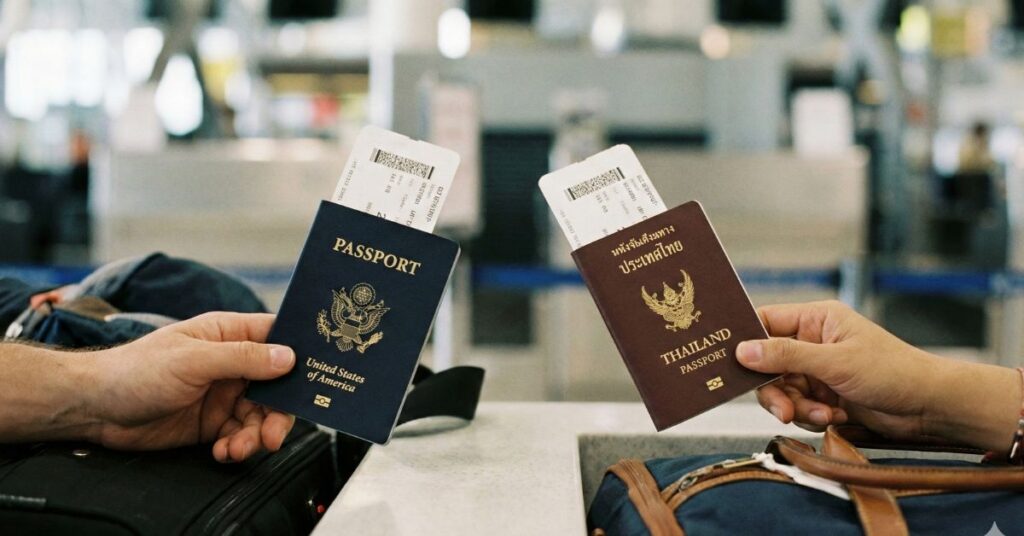
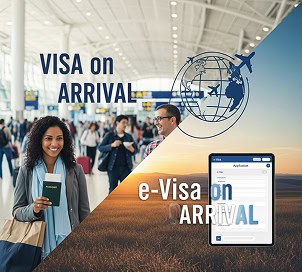
Here’s the thing about entering Indonesia: both VoA and free entry options let you visit for short stays. But they work totally differently when it comes to how long you can stay and what happens if you want more time.
Most travelers get confused because the rules keep changing. One year you’re visa-free, the next you need a visa on arrival. Depending on where your passport’s from, you might qualify for one, both, or neither.
Let me break down exactly what you need to know so you don’t end up stuck at immigration checkpoints with the wrong paperwork.
| Factor | Visa Free Entry | Visa semasa Ketibaan (VoA) |
| Who qualifies | ASEAN nationals + select countries | Broader list: EU, US, UK, Australia, India, and more |
| Max stay | 30 days (cannot be extended) | 30 days + one 30-day extension (60 days total) |
| kos | Free | IDR 500,000 (~$32 USD) |
| Entry requirements | Major airports and seaports | Designated airports and seaports only |
| Can you extend or convert? | No | Can extend once; cannot convert to other visa types |
How Indonesia’s Entry Rules Work (and Why They Keep Changing)
Indonesia’s been tinkering with its visa policies for years. After the pandemic, the Indonesian government simplified things for tourists. Sort of.
Right now, visa exemption exists but only for a small group of foreign nationals. Most travelers actually need to obtain a visa on arrival (VoA) instead. The Indonesian authorities adjust these lists pretty regularly based on diplomatic relationships and tourism goals.
Your nationality matters most. So does why you’re coming and how long you’re staying. A German backpacker, an American digital nomad, and a Singaporean weekend visitor all play by different rules under Indonesian law.
Last updated: January 2026. Always double-check the official immigration website or contact your nearest embassy before you book. These rules change, and you don’t want surprises on arrival.
Visa-Free Entry to Indonesia

Visa-free entry sounds perfect, no paperwork, no fees, just show up and go. But it only works if your country’s on a very specific list, and you’re absolutely certain you won’t need more than 30 days. Here’s what you need to know.
Who Qualifies for Visa-Free Entry Right Now?
The visit visa exemption (locally known as Bebas Visa Kunjungan) is Indonesia’s way of welcoming certain countries without paperwork or fees. Here are the countries that can fly straight to Indonesia with just a passport:
- Cambodia
- Suriname
- Vietnam
- Hong Kong
- Laos
- Philippines
- Thailand
- Brazil
- Myanmar
- Singapura
- Brunei Darussalam
- Malaysia
- Timor-Leste
- Turkey
- Colombia
- Peru
- Foreign nationals who are Singapore permanent residents passing through certain designated immigration checkpoints
Check the official immigration website for the current list. It changes. Last year’s rules might not be this year’s rules.
How Long You Can Stay and What You Can Do
Visa-free entry gives you exactly 30 days. Not 31. Not “about a month.” Thirty days, and that’s it. No extensions, no exceptions.
What can you do with those 30 days? Tourism, obviously. Visiting family. Transit through to another country. Attending certain government visits or business meetings (the kind where you’re not getting paid or signing employment contracts).
Here’s what you absolutely cannot do: work for pay, take a long-term remote job with Indonesian clients, or run any kind of business activity inside the country. You also can’t convert this visa exemption into a different visa category once you’re already in Indonesia. If you need more time or a different visa, you have to leave and start over.
Requirements for Visa-Free Entry at the Border
Your passport must have at least 6 months of validity remaining from your arrival date. You’ll also need at least one blank page for the entry stamp.
Bring proof of onward travel. A return ticket or ferry booking showing you’re leaving within 30 days is essential. Some immigration officers are strict about this; others barely glance. Don’t risk denied entry.
You’ll also need to fill out Indonesia’s digital arrival card in advance. This is separate from your visa status, and everyone needs it, even visa-free travelers. Some regions (like Bali) also require the Bali tourism tax payment, which generates a QR code you’ll show at immigration.
To enter Indonesia visa-free, you must arrive at major international airports and seaports. The official list includes places like Jakarta, Bali, Surabaya, and Medan, but check the immigration website for the complete rundown. Not every tiny port accepts visa-free arrivals.
When Visa-Free Entry is the Better Choice
Go visa-free if your trip is simple. You’re visiting for under 30 days, you’re 100% sure you won’t want to extend, and you’re from an eligible country.
It saves you money and hassle. No payment counters, no forms, no waiting. Just show your passport, get stamped, and go.
This works best for quick vacations, family visits, or short business trips where you know exactly when you’re leaving. If there’s even a tiny chance you’ll want more time, though, skip the visa-free option. Because once you’re in on a visa exemption, you can’t extend. You’d have to leave the country and come back.
Indonesia Visa on Arrival (VoA) & e-VOA Explained
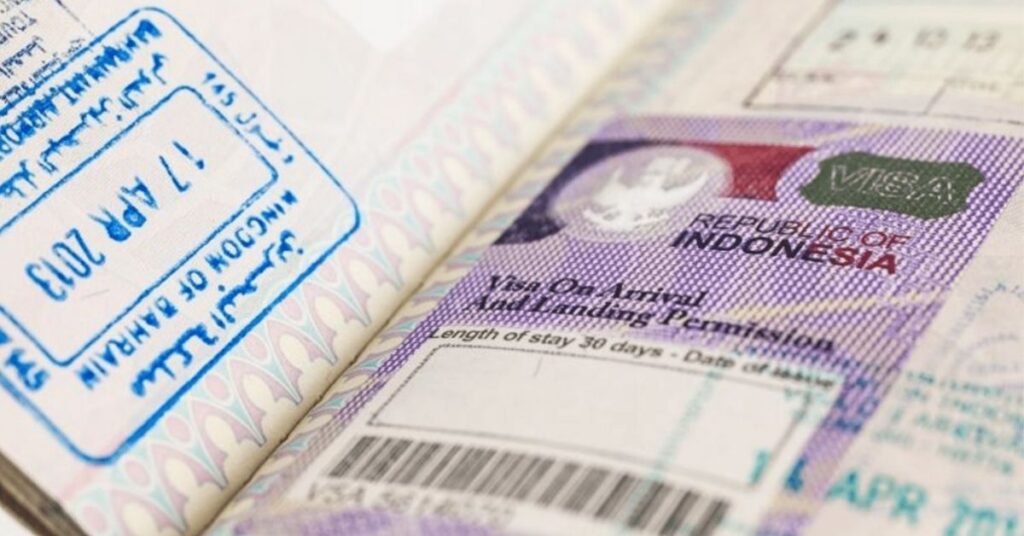
Most travelers to Indonesia end up getting a visa on arrival. It costs money, yes, but it covers more nationalities and gives you the precious option to extend. Whether you pay at the airport or apply online beforehand, it’s the same visa, just different ways to get it.
Who Is Eligible for a Visa on Arrival / e-VOA?
The Indonesian visa on arrival covers way more countries than the visa exemption. Most European Union nations qualify, think Estonia, Finland, France, Germany, and more. So do the United States, the United Kingdom, Australia, India, China, Japan, South Korea, and dozens of other countries.
If you’re not from an ASEAN country and not on the tiny visa-free list, you probably qualify for this tourist visa instead. Check the official embassy website for the complete country list. The e-VOA is the same single-entry visa, just applied for online before you fly rather than paying at the airport counter.
Length of Stay, Extension Rules, and Cost
The visa on arrival (VoA) gives you 30 days initially. But here’s the big difference from a visa exemption: you can extend it once for another 30 days at a local immigration office. That’s 60 days total without leaving the country.
The cost is IDR 500,000 (about $32 USD), whether you pay at the airport or apply for an e-visa online. Some e-VOA platforms charge a service fee on top of that, but the government fee stays the same.
One important catch: you can’t convert an Indonesian visa on arrival into a different visa type while you’re in Indonesia. If you arrive on a VoA and then decide you want a work permit or social visa, you’ll need to leave the country and apply from abroad.
How and Where to Get a Visa on Arrival at the Airport/Seaport
Getting a VoA at the airport is straightforward. You land, follow the signs to the visa on arrival counter, pay your IDR 500,000, get a receipt, and then proceed to immigration. They stamp your passport, and you’re through to baggage claim and customs.
Only certain entry points offer VoA. Most major international airports do (Jakarta, Bali, Surabaya, Yogyakarta, Medan), along with several seaports. But if you’re entering through a smaller border crossing, double-check it’s on the official VoA list. Showing up somewhere that doesn’t process this visa means you’re getting turned away.
How to Apply for an e-VOA Before You Fly
You have two main ways to get your electronic visa sorted before you even leave home.
DIY through the official portal: Create an account on Indonesia’s official e-VOA immigration website, upload a photo of your passport and other necessary documents, pay the fee through the online application, and download your approval. You’ll get a QR code or confirmation number to show at immigration when you land. No stopping at the payment counter.
Use Visa-Indonesia.com service: Upload your documents once, and let experienced visa specialists handle the entire visa application through the official system. We’ll submit everything, handle technical issues, and send your approved e-visa with clear instructions straight to your email. We offer a free consultation to help you choose the right visa category.
Why apply online through a service like Visa-Indonesia?
- The process is guided and simple. No confusing forms or website glitches.
- You get fast updates from people who work with Indonesian visas every single day.
- You save time at the airport and reduce the risk of rejected applications or mistakes.
Important warning: Scam visa websites exist. Always verify that:
- Payments go through secure, trusted channels
- The visa application actually gets submitted to Indonesia’s official immigration system
- Your agent (like Visa-Indonesia) is transparent about all fees and government charges
If something feels sketchy, it probably is. Stick with services that have clear contact information and real customer reviews.
What You Can and Cannot Do on VoA
VoA covers tourism, obviously. But it also allows certain business activities, like attending business meetings, negotiating contracts, or purchasing goods. You can use it as a transit visa through Indonesia to another country. Government officials can attend official visits. Some travelers even use it for medical treatment at Indonesian facilities.
What you absolutely cannot do: take paid employment, work remotely for Indonesian clients long-term, or operate any kind of business venture in the country. Indonesia’s pretty serious about this. VoA is for visitors, not workers.
FAQs – Indonesia Visa on Arrival vs Free Entry
Is Indonesia visa-free for my nationality in 2026?
It depends entirely on your passport. ASEAN member countries get visa exemption automatically. A few others do too, but the list is short. Check Indonesia’s Directorate General of Immigration website for the current roster. If you’re not on it, you’ll need to obtain a visa on arrival instead.
Do I still need VoA if I’m staying less than 30 days?
Not if you qualify for visa exemption. But if you’re from a country that doesn’t get visa-free access, then yes, you need VoA even for short visits. And even if you do qualify for visa exemption, VoA might be smarter if you want the option to extend.
Can I extend visa-free entry or convert it to another visa?
No. Visa exemption is 30 days, period. No extensions, no conversions. If you need more time, you’d have to leave Indonesia and come back. That’s why VoA is often the better choice, even though it has a cost.
Can I extend my Visa on Arrival to 60 days without leaving Indonesia?
Yes. You can extend VoA once for an additional 30 days, giving you 60 days total. You’ll need to visit a local immigration office, bring your passport and some photos, fill out the necessary documents, and pay the extension fee. Do this before your initial 30 days runs out. Note that if you’re using a titre de voyage (travel document) instead of a regular passport, check with the immigration office first about eligibility.
Can I leave Indonesia and come back on the same visa?
No. Both visa exemption and VoA are single entry visas. Once you leave Indonesia, that visa is done. If you want to come back, you’ll need to go through the entry process again, whether that’s visa-free or getting a new VoA. You cannot use the same electronic visa twice.
Do I need the All Indonesia digital arrival card even if I’m visa-free?
Yes. The digital arrival card is separate from your visa status. Everyone entering Indonesia needs to fill it out in advance, whether you’re visa-free, on VoA, or on a work visa. Some regions also require additional payments (like the Bali tourism levy). Don’t skip these, immigration will send you to complete them before you can enter. Make sure you have proof of payment and all necessary documents ready at arrival in Indonesia to avoid delays.
Ready to Apply or Extend Your Visa?
Let our visa specialists handle your application.





 English
  Bahasa Indonesia
  Español
  Italiano
  Français
  日本語
日本語  Nederlands
  繁體中文
繁體中文  한국어
한국어  Norsk bokmål
  Svenska
  Dansk
Dansk  Türkçe
  Polski
  香港中文
香港中文  简体中文
简体中文  Українська
  Русский
  Bahasa Melayu