













Animal Rescue in Bali: Simple Ways to Help Today

Walk down any street in Bali, and you’ll likely spot dogs lounging in the shade or cats darting between market stalls. It’s not what most Western tourists expect. But here’s the thing: these aren’t all abandoned pets in the way you might think.
In Balinese culture, dogs have traditionally served as village guardians. They’re part of the community, but they’re not “pets” in the Western sense, sleeping on beds, wearing collars, going for scheduled walks. They roam freely, protecting temples and homes, living semi-independently. Many are loved and fed by their communities, even if they don’t belong to one specific household. However, some low-income families struggle to afford sterilization or medical care for their animals, which contributes to the overpopulation problem.
Tourism has changed things, though. Rapid development and uncontrolled breeding have led to overpopulation. Not every dog or cat you see has a village looking after them anymore. Some genuinely have been abandoned. Others suffer from malnutrition, skin disease, traffic injuries, and rabies exposure. There’s also the dog-meat trade, which still exists despite being illegal in some areas. It’s a complicated picture; some animals are doing okay, while others desperately need help.
Meet Bali’s Frontline Animal Rescue Organisations
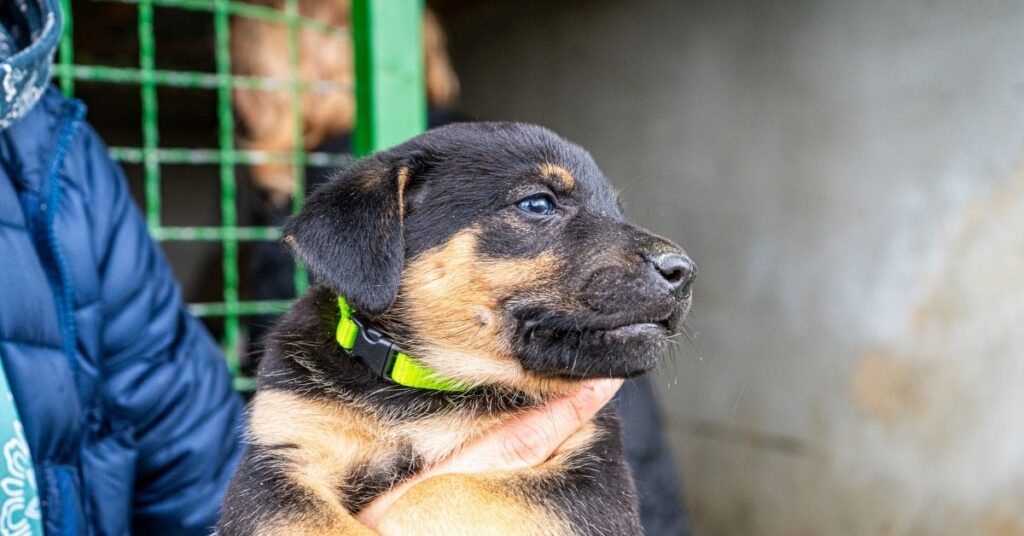
Before you try to rescue an animal yourself, it helps to know who’s already on the ground doing this work. Their aim is to improve animal welfare, rescue, and provide shelter in Bali. These organizations rely on dedicated teams of staff and volunteers to carry out their mission. These groups have experience, resources, and local knowledge that can make all the difference, and they run various programs targeting specific animal welfare issues such as sterilization, rescue, and education.
Bali Animal Welfare Association (BAWA)
BAWA is one of the island’s longest-running animal welfare organizations. They’re partnered with SPCA International and operate island-wide. Their core programs include an emergency hotline and ambulance service, street feeding, rabies vaccination drives, sterilization programs, and a school education program about animal welfare, responsible pet ownership, and preventing abandonment.
When should you call BAWA instead of going straight to a vet? If you’re not sure how serious an animal’s condition is, if you can’t afford vet fees, or if you need help catching or transporting an animal, BAWA is your first call. They can assess the situation and coordinate appropriate care.
Bali Animal Rescue & Rehab Centres for Dogs
BARC is an Ubud-based no-kill shelter focused on rescue, rehabilitation, and rehoming. They run a charity shop and clinic that fund their care operations. BARC also supports mobile sterilization teams that focus on sterilizing both adult dogs and puppies to prevent unwanted litters and reduce disease transmission. If you find a dog that needs long-term recovery or adoption placement, BARC is a solid option.
GAIA Island of Dogs takes a different approach. This eco-style sanctuary focuses on traumatized dogs who need long-term refuge, animals that might not be suitable for adoption but deserve a safe, peaceful life anyway.
Mission Paws’ible and other smaller rescues operate through social media, foster networks, and individual sponsorships. They’re often run by dedicated locals and expats who coordinate community-powered efforts. These groups can be incredibly effective, especially for urgent cases that need immediate foster homes.
Cat-Focused & Specialist Organisations
Villa Kitty is dedicated animal rescue entirely to cats and kittens. If you find a cat in distress, this is the place to contact.
Mobile sterilization teams suka Bali Pet Crusaders focus on high-impact spay and neuter programs in villages. They’re working to address the root cause of overpopulation by preventing unwanted litters.
How to Check if The Animal Rescue Group Is Legit
Unfortunately, not every “rescue” is legitimate. Before donating or handing over an animal, do some basic checks. Look for registered yayasan (non-profit) status, transparent financials, and visible partnerships with local vets. Legitimate rescues will have a physical address and can show you vet invoices.
Red flags include: no physical address, no documentation of vet care, constant “urgent” appeals that pressure you to donate immediately, and reluctance to answer questions about how funds are used.
Step-by-Step – What to Do If You See a Dog or Cat in Trouble
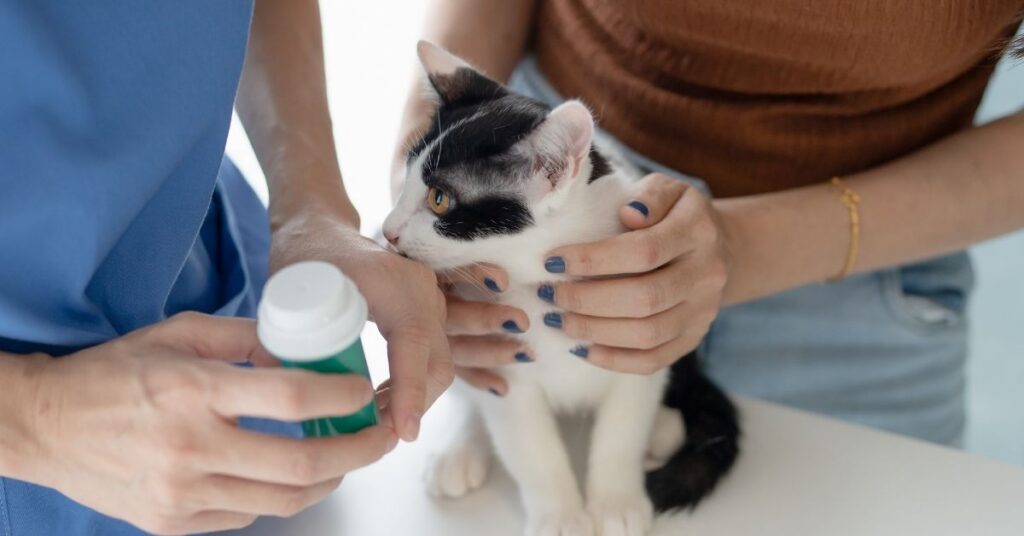
You’re walking to get coffee, and you see a dog limping badly or a cat with a gaping wound, maybe it’s sick, injured, or abandoned, and clearly needs urgent help. Your heart breaks. What do you actually do to save animals in distress?
Step 1 – Stay Safe and Assess
First, observe from a distance. A scared or injured animal can bite, even if it seems friendly. Look for signs that the animal needs help right now: open wounds, severe mange (skin so bad the animal is mostly hairless), inability to stand, obvious fractures, or labored breathing.
Take clear photos and videos. Get the exact location using a Google Maps pin. This information is crucial if you need to call a rescue organization or vet.
Step 2 – Decide: Vet, Rescue Hotline, or Monitor
Not every street dog needs rescuing. If the dog is eating, moving normally, and just has minor mange or is a bit thin, it might be a village dog that’s basically okay. Monitoring over a few days can help you tell the difference.
For genuine emergencies, severe injury, inability to eat or drink, or obvious pain, you have two options:
Call BAWA or another animal rescue hotline for guidance and possible pickup. This is best when you’re unsure, when costs are a concern, or when the animal is too aggressive or scared to handle safely.
Take the animal directly to a vet if the situation is critical and you’re able to transport them. English-speaking vets can be found in most tourist areas, such as Canggu, Ubud, Kuta, and Uluwatu, all of which have options.
Step 3 – Transport Without Making Things Worse
Here’s something important: many Bali dogs have never worn a collar or been inside a car. What seems helpful to you might terrify them. A panicked dog can hurt itself trying to escape or bite you in fear.
If you can’t safely handle the animal, professional dog catchers and transport services exist. BAWA and other rescues can coordinate this. Don’t risk your safety or traumatize an already scared animal by forcing the situation.
Step 4 – Aftercare, Payment, and Returning the Dog
Vet costs in Bali are generally affordable by Western standards, but they’re not free. Expect to pay for consultations, medications, and any procedures. If funds are tight, ask the rescue organization if they can contribute; many have programs to help split costs. These organizations rely on donations and money raised from supporters to fund medical care and rehabilitation for rescued animals.
Here’s a reality check that surprises many tourists: a treated village dog often needs to be returned to their original territory. Dogs are territorial. Moving them to “a nicer beach” or a different neighborhood can be cruel; they’ll be stressed, might not be accepted by local dog packs, and could get hurt trying to find their way back. Unless the dog was truly abandoned or is in danger in their original location, returning them after treatment is often the kindest option.
Ethical Ways Tourists Can Help Bali’s Animals

You’re only here for a week or two. You can’t adopt every dog you see. But you can still make a real difference.
Quick Wins During Your Trip
Donate directly to established animal rescue organizations. Many clinics and cafes have QR codes for easy mobile donations. Even a small amount helps.
Buy from charity shops and cafes that support local shelters. You need coffee anyway, might as well buy it somewhere that funnels profits to animal care.
Sponsor one animal’s treatment or monthly food. Many rescues offer one-time or recurring sponsorships where you can support a specific dog or cat. You’ll often get updates and photos.
What Not to Do (Common Mistakes)
Don’t feed the dogs for a few days and then leave with no follow-up plan. You’ve just taught them that tourists equal food, which can make them pester other visitors or put them in danger near restaurants and roads.
Don’t pick up friendly dogs and “relocate” them. That cute dog on your beach might have a family in the village behind you. Moving them separates them from their territory and resources.
Don’t support attractions that use wild animals as photo props, such as civets, dolphins, chained monkeys, and snakes. These animals are often captured from the wild and kept in terrible conditions. No selfie is worth that suffering.
Responsible Encounters with Street Dogs & Cats
Learn to read dog body language. A wagging tail doesn’t always mean friendly; look at the whole body. Stiff posture, ears back, showing teeth? Don’t approach. Relaxed body, soft eyes, loose wagging? That’s a safer bet, but always move slowly and let the dog come to you.
If you do get bitten or scratched, wash the wound immediately with soap and water. Then go to a hospital for rabies post-exposure treatment. Rabies is fatal once symptoms appear. Don’t wait. Don’t assume the dog was healthy. Just go.
Long-Term Residents & Expats: Making a Bigger Impact

If you live in Bali or plan to stay for months, you can do more than tourists passing through.
Adopt or Foster (Instead of Buying)
Bali dogs and cats make wonderful companions, but they come with adjustments. Many have lived on the streets and have territorial behaviors or aren’t used to being confined. They’ll need patience as they learn to trust and adapt to home life.
The adoption process through established shelters typically involves screening, contracts, and mandatory sterilization and vaccines. This protects both you and the animal. Don’t be offended by the questions; rescues want to ensure good matches.
Supporting Sterilisation & Education
Fund or host community sterilization days in your banjar (neighborhood unit). This directly prevents future overpopulation and suffering.
Partner with schools to teach kids about animal kindness and bite safety. Changing cultural attitudes starts with the next generation.
Volunteering Your Skills
On-site volunteering includes dog walking, cleaning kennels, socializing anxious animals, and providing transport for vet visits.
Remote volunteering is ideal if you can’t be physically at a shelter. Offer skills in fundraising, social media management, graphic design, content translation, or grant writing. These rescues often operate on shoestring budgets and desperately need professional skills.
Can You Take a Bali Dog or Cat Home Overseas?
You’ve fallen in love with a street dog. You want to bring them home. Is it possible? Yes. Is it simple? Not exactly.
The Basics of International Adoption from Bali
If you want to fly a Bali dog or cat overseas, you’ll usually need a microchip, up-to-date rabies vaccination, a rabies antibody titer test for many countries, veterinary health certificates, and an export permit from Indonesian authorities. Airlines also have strict rules about whether pets can travel in the cabin or must go in the hold, based mainly on size, weight, and sometimes breed.
Because Bali is designated a high-risk rabies area and local rules change frequently, the process is complex and is usually handled by specialised pet-relocation agents. Costs often start around USD 1,000 and can easily run to several thousand dollars. You should expect the entire process, from initial vaccination to the actual flight, to take several months, not just a few weeks.
Country-Specific Considerations (High-Level)
Different countries have wildly different import rules. Rabies-free countries like Australia and New Zealand have strict quarantine requirements and long waiting periods. Other countries are more flexible but still have specific protocols.
Working with an experienced rescue organization or pet relocation agent is crucial. They know the regulations, handle paperwork correctly, and troubleshoot problems. Trying to do it yourself can result in your animal being stuck in customs or even sent back to Bali.
When Sponsorship Is the Kinder Choice
Not every animal should travel. Very anxious dogs, elderly animals, or those with medical conditions might not survive the stress of international transport. For these animals, virtual “adoption” through monthly sponsorship lets you support them while they live comfortably in Bali. You’ll get updates and photos, and you’ll know you’re providing a good life without putting them through a traumatic journey.
FAQs – Quick Answers for Worried Animal Lovers
Are street dogs in Bali dangerous?
Most are not aggressive, but any animal can bite if scared, hurt, or protecting its territory. Use common sense and don’t approach dogs that seem nervous or reactive.
Is rabies still a problem in Bali?
Yes, though vaccination programs have reduced cases. Always get medical treatment after any bite or scratch.
What should I do immediately after a dog bite or scratch?
Wash the wound thoroughly with soap and water, then go to a hospital for rabies post-exposure treatment. This is not optional.
Can I volunteer for just one day during my holiday?
Some organizations welcome day volunteers for specific tasks like dog walking or socializing. Contact them in advance to see what’s available.
Is it legal to bring my own dog or cat into Bali?
Yes, but you need proper health certificates, rabies vaccination proof, and import permits. Start the process well before your trip.
What’s the most effective way to help if I only have IDR 200–500k to spare?
Donate directly to established organizations, sponsor a specific animal’s medical treatment, or contribute to a community sterilization day. Every bit helps.
Let Your Visa Application Help Our Pawfriends
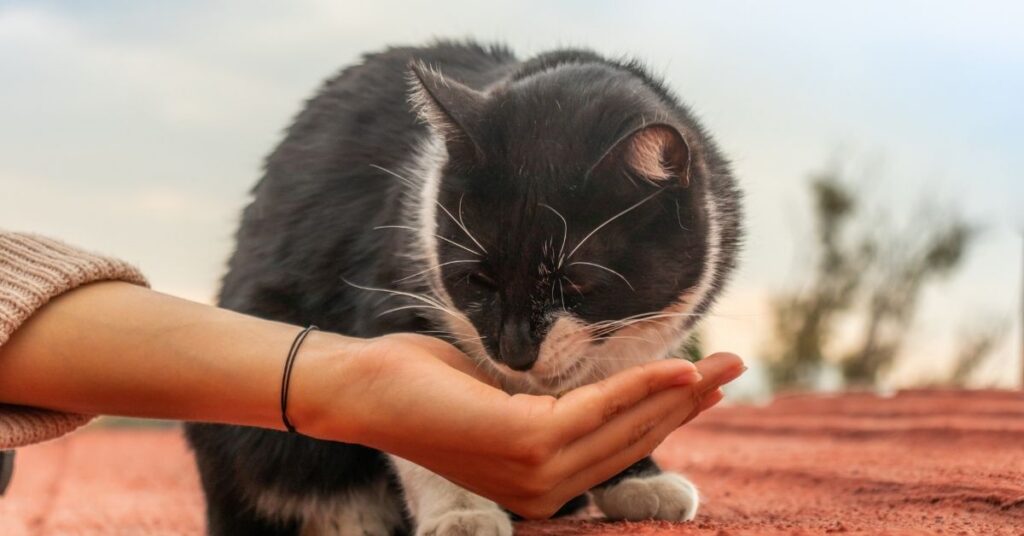
At Visa-Indonesia, we regularly donate 1% of our income to nonprofit animal rescue organizations, including JAAN and Villa Kitty.
If you’d like to take part, you can also add a small donation at checkout for your visa order; 100% of that amount goes to our animal rescue partners. This is completely optional, not a hidden fee. We want to make it easy for people who want to help to do so while handling necessary travel documentation.
Helping animals in Bali doesn’t require you to be a hero. It requires you to be thoughtful, informed, and respectful of the complex realities here. Whether you donate 50,000 rupiah, sponsor one dog’s surgery, or simply choose not to support exploitative animal tourism, you’re making a difference. The animals here need advocates who think clearly and act responsibly. Thank you for being one of them.
Ready to Apply or Extend Your Visa?
Let our visa specialists handle your application.





 English
  Bahasa Indonesia
  Español
  Italiano
  Français
  日本語
日本語  Nederlands
  繁體中文
繁體中文  한국어
한국어  Norsk bokmål
  Svenska
  Dansk
Dansk  Türkçe
  Polski
  香港中文
香港中文  简体中文
简体中文  Українська
  Русский
  Bahasa Melayu