












Hoe kan ik een Indonesische geboorteakte 2026 krijgen?
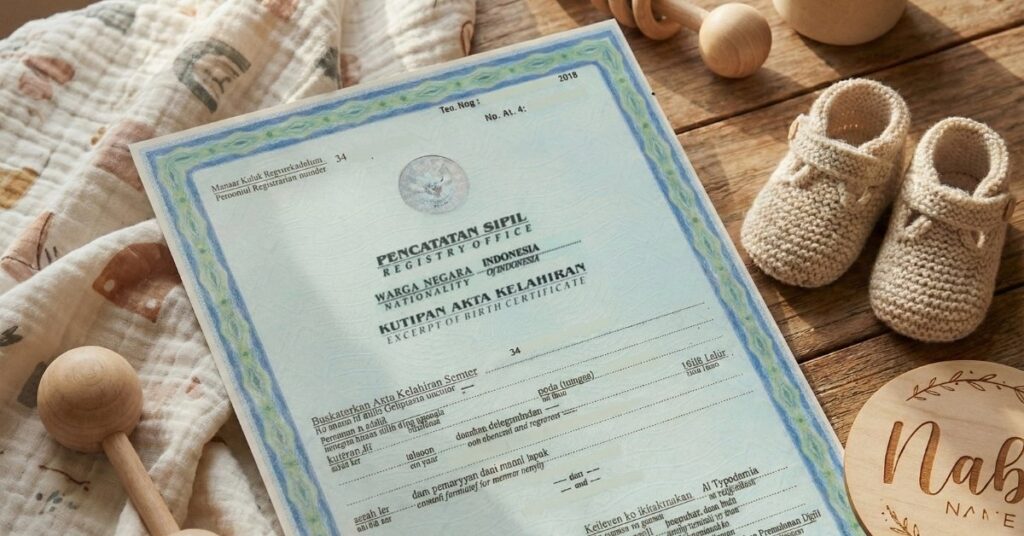
If your baby is born in Indonesia, one of the first tasks you’ll do is birth registration. That sounds scary, but it’s really just the civil registration system making sure your child’s birth is accurately recorded and legally recognized.
Think of it like this: an Indonesian birth certificate (also written as an indonesian birth certificate) is one of your child’s key vital documents. It helps unlock school, health services, and other essential services later. And it helps you avoid future documentation hassles.
And, under indonesian government regulations, a birth should be reported within 60 days to the local civil registry office (Disdukcapil). And the birth certificate itself is officially free (no official fee).
Inhoudsopgave
Step 1: Get proof from the hospital first (do this early)
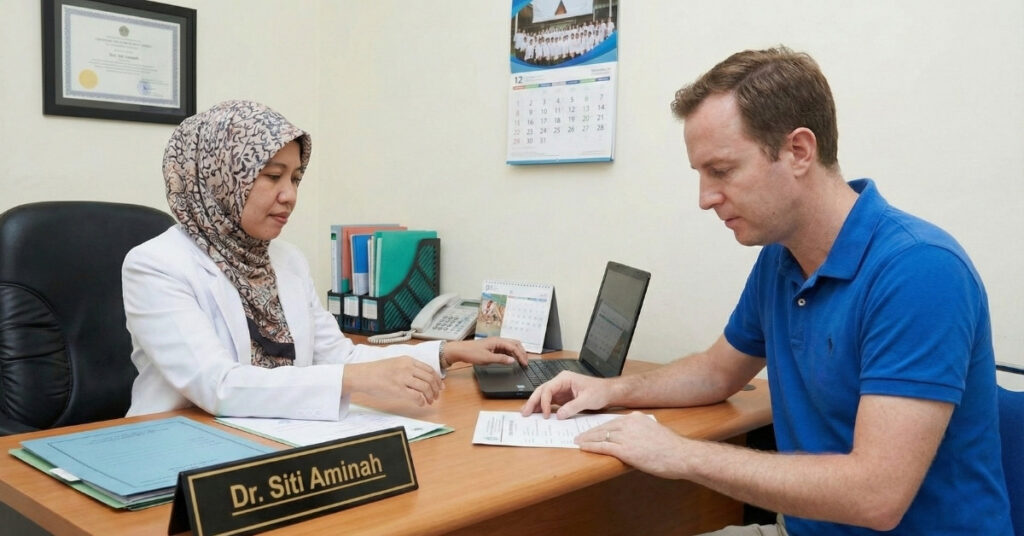
Right after the newborn child arrives, ask the hospital for proof of birth. In many places, this comes from the hospital’s records department (or another hospital department that handles certificates). Keep the original safe, because it’s your original birth document for the registration process.
If you gave birth outside a hospital, like in a clinic or with a doctor’s help in your home, don’t panic. You can ask the bidan, doctor, Puskesmas, or clinic for a birth statement. This is accepted as birth proof, even when the baby wasn’t born in a hospital.
Step 2: Know where to apply (it’s usually Dukcapil)
Your main stop is the local civil registry / Disdukcapil, basically Indonesia’s civil registry office. Under the law, births are reported to the local implementing office where the family is domiciled (not always the same city where the baby was born).
So yes: you’re dealing with the Indonesian government through Dukcapil, not the indonesian immigration office, unless the baby is a foreign national or the family has a foreign status issue (we’ll get to that).
Step 3: File within the registration period (and what happens if you’re late)
The typical registration period is 60 days. If you missed it, you can still do it. The key update many parents don’t know: if the report is more than one year late, it no longer needs a court order; Dukcapil can handle it through an administrative decision route.
Also important: the birth certificate issued by Dukcapil should be free. If someone tells you to pay penalty fees “because you’re late,” stay calm and ask for the written legal basis. In normal cases, you should not have to pay penalty fees for the certificate itself.
That one simple question can help you dodge government corruption hassles.
Required documents (the clean checklist)
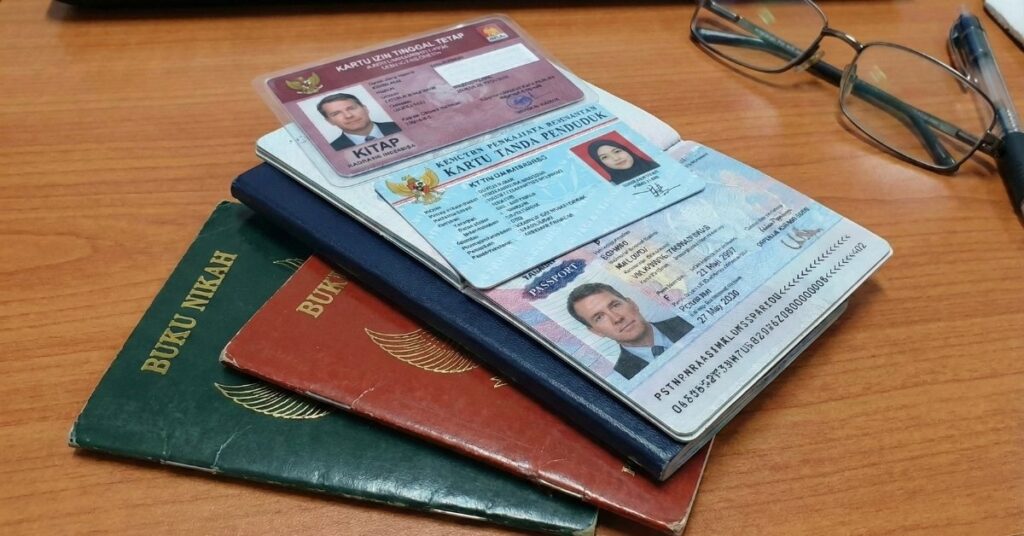
Below are the required documents and supporting documents you’ll most often need. Some cities may ask for other documents, but these are the usual “core” set under national rules.
A) Mixed nationality parent
Bring the following documents (often as copies plus originals to show):
- Birth proof (Surat Keterangan Kelahiran) from hospital/midwife/clinic/Puskesmas
- KTP-el + KK (gezinskaart)
- Foreigner parent’s passport/ITAS/ITAP card
Parents’ marriage certificate/marriage documents
A lot of offices also want parent identity proof. If you’re asked for parents’ birth certificates or require original birth certificates, it’s usually to confirm identity data. Bring original birth certificates if you have them, especially if your names have different spellings across documents.
And yes, I’m going to say this exactly once because people search it: bring your parents’ marriage certificate (that phrase is weird, but it basically means “your parents’ marriage proof”).
B) Foreign national baby (WNA) born in Indonesia
If your baby is a foreign national baby (a foreign child) who was born in Indonesia, Dukcapil still issues a local record, but immigration steps often follow.
For the Dukcapil local birth certificate process, the national rule for a foreign national birth record commonly includes:
- Proof of birth
- Foreign parents’ passports (parents’ travel documents)
After Dukcapil, you may also need to report the child to the immigration office (the immigration department) through a “lapor lahir” process. Different local immigration office websites list slightly different details, but they commonly request the child’s Dukcapil birth certificate plus parents’ passports and stay permits (ITAS/ITAP).
Some offices also ask for a sponsorship letter or a sponsor’s letter (for example, a sponsor request letter) when doing “lapor lahir.”
Child born outside marriage
Yes, children born outside marriage can still get a birth certificate. In many cases, Dukcapil can issue an official birth certificate that records the child with the mother’s data, while the father’s details may require a separate legal recognition route depending on the case.
If your situation is “no marriage documents,” you may be asked for a statement form (SPTJM). That’s a common, recognized path used to support civil record issuance in certain situations.
Dual Citizenship for a Baby Born to Mixed-Nationality Parents

If you have an indonesian spouse and a foreign spouse (or one foreign spouse), you’ll probably ask: “Can my child have dubbele nationaliteit?”
Indonesia generally does not allow full dual citizenship forever, but it does recognize limited dual citizenship for some children, and they must choose later. Indonesia’s immigration authority explains that children with dual nationality must declare a choice after age 18 (or when married).
This matters because it affects the child’s:
- foreign passport plans,
- foreign passport application timing,
- and how you handle travel to your home country.
For anything passport-related, you may deal with your foreign embassy as well as the Indonesian offices. Embassy rules follow that country’s regulations (and yes, every country has its own country’s requirements, spelling mistakes included).
Translation and foreign documents: when you need a certified translation
If your birth proof, marriage proof, or any supporting paper is from overseas, you may be asked for a certified translation. A common example is when you have a foreign marriage record and you are updating Indonesian records. Requirements differ by city, but many places require translated copies for overseas civil events.
Keep copies of all these documents in one folder. Seriously. It saves your sanity during the application process.
The “don’t get stuck” tips (simple but powerful)
- Submit early. The 60-day rule is real, and it keeps everything easy.
- Bring originals + copies. Many offices verify by seeing originals, especially passports and civil proofs.
- Ask for the documents listed in writing. If an officer asks for new items, politely request the list in writing or from the official site.
- Don’t hand over cash without a receipt. The certificate is supposed to be free.
- Use a formalities agent only if you need help. A good agent reduces documentation hassles. A bad one adds them.
Klaar om je visum aan te vragen of te verlengen?
Laat je aanvraag behandelen door onze visumspecialisten.





 English
  Bahasa Indonesia
  Español
  Italiano
  Français
  日本語
日本語  Nederlands
  繁體中文
繁體中文  한국어
한국어  Norsk bokmål
  Svenska
  Dansk
Dansk  Türkçe
  Polski
  香港中文
香港中文  简体中文
简体中文  Українська
  Русский
  Bahasa Melayu