













Panduan Denda Overstay Indonesia (2026)

Jika Anda membaca ini dengan sedikit rasa panik, tarik napas. Tinggal melebihi batas waktu tinggal di Indonesia bisa terasa menakutkan, tetapi aturannya cukup jelas setelah Anda membacanya dengan bahasa yang sederhana. Di Asia Tenggara, Indonesia terkenal dengan hukuman yang ketat untuk visa yang melebihi batas waktu tinggal, termasuk denda yang cukup besar, kemungkinan deportasi, dan bahkan larangan masuk kembali untuk berbagai kategori wisatawan.
Ini adalah salah satu topik terpopuler kami, dengan ribuan tampilan postingan, yang menunjukkan betapa banyak pelancong yang peduli untuk memahami dan menghindari hukuman yang ketat ini.
Inilah ide besarnya: Indonesia mengenakan denda overstay sebesar Rp 1.000.000 per hari untuk masa tinggal yang lebih singkat, dan ada garis keras di 60 hari di mana konsekuensinya bisa menjadi jauh lebih serius. Panduan ini menjelaskan apa artinya, apa yang harus dilakukan selanjutnya, dan bagaimana cara menghindari pengulangan masalah.
Terakhir diperbarui: 19 Januari 2026
TL; DR (Baca ini terlebih dahulu)
Jika Anda hanya membaca satu bagian, bacalah ini:
- Tinggal lebih dari 60 hari: Biasanya ditangani dengan denda harian sebesar Rp 1.000.000 per hari (sekitar $60-$70 USD), dibayarkan sebagai “biaya” imigrasi.
- Tinggal lebih dari 60 hari (atau Anda tidak dapat membayar): Anda mungkin menghadapi deportasi dan larangan masuk kembali, yang dapat berlangsung dari enam bulan hingga dua tahun, tergantung pada tingkat keparahan pelanggaran.
- Kadang-kadang dendanya bisa Rp 0: Hal ini jarang terjadi dan tergantung pada situasi Anda (misalnya keadaan kahar, penyakit serius, proses hukum, dll.).
- Membayar denda harian tidak akan memperpanjang masa berlaku visa Anda: Anda harus memperpanjang visa Anda atau beralih ke izin lain yang masih berlaku sebelum masa berlakunya habis untuk mempertahankan status visa legal Anda.
Ingat, selalu periksa status visa Anda untuk menghindari denda harian, deportasi, atau larangan masuk kembali.
Apa yang dimaksud dengan “Overstay” Sebenarnya Apa Artinya (dan mengapa orang menjadi bingung)

Kebanyakan orang mengira “overstay” berarti visa Anda telah habis masa berlakunya. Namun di Indonesia, yang penting adalah masa tinggal Anda masa inap resmi, tanggal yang ditentukan oleh pihak imigrasi bahwa Anda harus meninggalkan Indonesia. Overstaying berarti Anda telah melampaui masa berlaku visa Anda, dan orang asing harus memeriksa status visa mereka secara teratur agar tetap mematuhi hukum imigrasi Indonesia.
Tanggal itu mungkin sudah dekat:
- Anda stempel masuk di paspor Anda
- Anda e-VOA/VOA merekam (jika Anda menggunakan Visa on Arrival)
- Anda izin tinggal dokumen (seperti persetujuan ITAS/ITAP)
Jadi, jika label visa atau email persetujuan Anda terlihat baik-baik saja, tetapi tanggal menginap yang diizinkan telah berlalu, Anda masih bisa tinggal melebihi batas waktu yang ditentukan.
Inilah cara termudah untuk memikirkannya:
Tanggal “harus pergi sebelum” Anda adalah bosnya. Bukan tanggal penerbangan Anda, bukan rencana hotel Anda, bukan jadwal pernikahan teman Anda.
Denda Resmi Overstay: Rp 1.000.000 per Hari
Sesuai dengan aturan tarif saat ini, denda overstay adalah Rp 1.000.000 (rupiah) per hari, yaitu sekitar USD 65. Pembayaran denda harus dilakukan dalam mata uang rupiah di bandara atau kantor imigrasi.
Otoritas imigrasi bertanggung jawab atas penegakan hukum dan akan menghitung jumlah hari tinggal melebihi batas waktu berdasarkan catatan Anda. Perkiraan Anda “Saya kira hanya 2 hari” mungkin salah jika Anda salah membaca stempel atau salah menghitung tanggal.
Tebing 60 Hari: Ketika Keadaan Dapat Meningkat dengan Cepat
Ini adalah bagian yang tidak dianggap serius oleh banyak orang.
Tinggal melebihi masa berlaku visa Anda lebih dari 60 hari dianggap sebagai pelanggaran serius di bawah hukum Indonesia. Petugas imigrasi sangat waspada dalam memantau dan menegakkan aturan ini. Orang asing yang tinggal lebih dari 60 hari akan dideportasi secara otomatis, dan dalam kasus yang lebih serius, mereka bisa ditahan dan dideportasi tanpa pilihan untuk membayar denda. Konsekuensi hukum juga dapat mencakup larangan masuk kembali mulai dari enam bulan hingga dua tahun. Hukuman ini ditetapkan oleh hukum dan tidak dapat dinegosiasikan atau dikurangi. Sangatlah penting untuk mematuhi peraturan imigrasi untuk menghindari pelanggaran tersebut dan tindakan penegakan hukum yang diakibatkannya.
Tinggal lebih lama hingga 60 hari: biasanya merupakan “wilayah yang baik-baik saja.”
Jika masa tinggal Anda melebihi batas waktu yang ditentukan tidak lebih dari 60 hari, hasil yang umum adalah:
- Anda membayar denda harian sebesar 1 juta rupiah (Rp 1.000.000/hari), biasanya di kantor imigrasi terdekat
- Imigrasi memproses proses keluar Anda
- Anda meninggalkan Indonesia
Melaporkan masa tinggal Anda yang melebihi batas waktu secara sukarela ke imigrasi mungkin akan dipandang lebih baik daripada ditangkap oleh pihak berwenang.
Hal ini masih belum “menyenangkan”, tetapi biasanya dapat diselesaikan.
Tinggal lebih dari 60 hari: risiko lebih tinggi
Setelah Anda menyeberang Lebih dari 60 hari, Indonesia dapat memperlakukannya sebagai pelanggaran yang lebih besar.
Pada saat itu, Anda mungkin akan dikenakan penalti tambahan:
- Deportasi
- Penahanan di pusat penahanan imigrasi selama proses hukum atau prosedur pemindahan
- Larangan masuk kembali mulai dari dari enam bulan hingga dua tahun (sering disebut penangkalan)
Selain itu, jika Anda tidak dapat membayar denda, yang dapat menyebabkan prosedur penghapusan juga.
Catatan: Pihak berwenang Indonesia mungkin tidak secara resmi memberi tahu Anda tentang larangan masuk kembali setelah Anda dideportasi.
Inilah sebabnya mengapa orang berkata: Jangan menguji garis 60 hari. Ini bukan “mode diskon”. Ini adalah zona bahaya.
Apakah Denda Bisa Dihapuskan (Rp 0)?
Kadang-kadang, ya, tetapi jangan berasumsi bahwa hal ini akan berlaku untuk Anda.
Aturan tarif Indonesia mencakup situasi di mana biaya overstay harian dapat berupa Rp 0. Ini adalah kasus khusus dan biasanya membutuhkan bukti.
Contoh situasi yang mungkin memenuhi syarat:
- Keadaan kahar (kejadian serius yang tidak dapat Anda kendalikan)
- Keadaan darurat medis dengan dokumentasi
- Terlibat dalam sebuah proses hukum atau deportasi sudah
- Keputusan yang mengikuti penetapan hukum formal
Ini bukan trik sulap. Anggap saja seperti meminta pengecualian di sekolah: Anda bisa mendapatkannya, tetapi Anda perlu alasan dan bukti yang nyata.
Apa yang Harus Dilakukan Jika Anda Tinggal Berlebih (Langkah-demi-langkah)
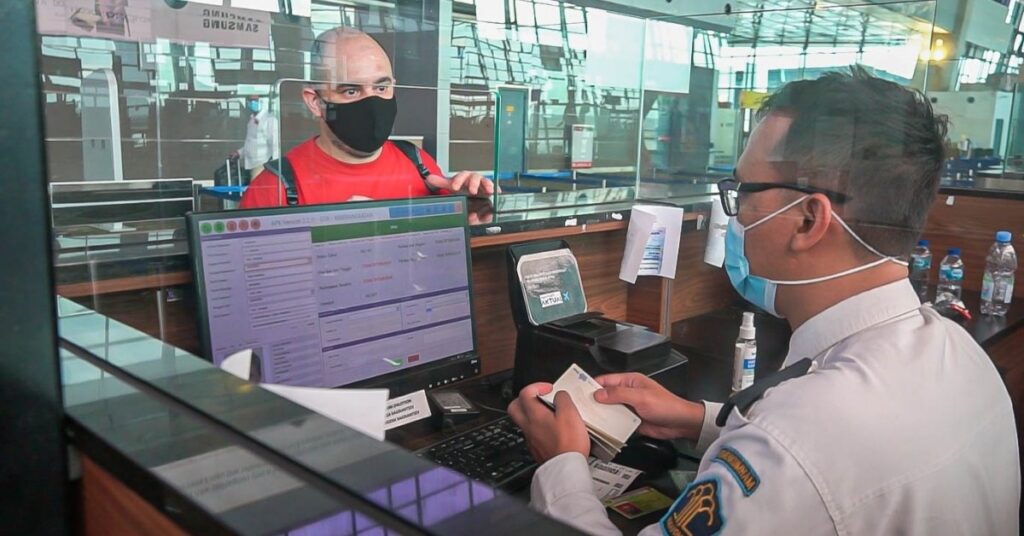
Inilah buku pedoman yang tenang dan praktis.
- Jangan panik. Tinggal melebihi batas waktu tinggal adalah hal yang biasa, dan denda biasanya merupakan satu-satunya hukuman untuk tinggal melebihi batas waktu yang singkat.
- Pergilah ke bandara lebih awal. Datanglah setidaknya 3-4 jam sebelum penerbangan Anda untuk memberikan waktu untuk proses overstay.
- Pergilah ke konter imigrasi. Beritahukan kepada petugas bahwa Anda telah tinggal melebihi batas waktu yang ditentukan dan siap membayar denda.
- Membayar denda. Petugas akan menghitung total denda overstay Anda. Pembayaran biasanya diterima dalam bentuk tunai (Rupiah).
- Dapatkan stempel keluar Anda. Setelah Anda membayar, Anda akan menerima stempel keluar dan dapat melanjutkan penerbangan Anda.
Jika Anda tidak yakin dengan prosesnya atau telah tinggal di Indonesia dalam jangka waktu yang lama, sangat disarankan untuk mencari bantuan profesional. Sistem imigrasi Indonesia semakin kompleks, dan layanan imigrasi profesional dapat membantu Anda menavigasi peraturan visa yang ketat, memastikan kepatuhan terhadap hukum, dan menghindari komplikasi lebih lanjut. Bimbingan ahli sangat bermanfaat bagi ekspatriat, investor, dan pekerja jarak jauh yang menginginkan ketenangan pikiran dan penyelesaian yang lancar untuk masalah tinggal lebih lama.
Langkah 1: Konfirmasikan hari tinggal lebih lama Anda
Lihatlah stempel paspor Anda dan dokumen e-VOA atau dokumen perizinan apa pun. Temukan tanggal “diizinkan tinggal hingga”. Hitung dengan cermat.
Selalu periksa status visa Anda dan pahami persyaratan khusus untuk visa Anda di Indonesia untuk menghindari masa tinggal yang terlalu lama dan denda.
Jika Anda tidak yakin, asumsikan imigrasi akan menggunakan sistem mereka sebagai penghitungan akhir.
Langkah 2: Tentukan bagaimana Anda akan mengatasinya
Kebanyakan orang menyelesaikan masa tinggal lebih lama dengan membayar denda dan pergi.
Jika sudah mendekati 60 hari, perlakukan seperti alarm kebakaran: bertindak sekarang. Tindakan yang tepat waktu sangat penting untuk menghindari denda dan menghindari tinggal melebihi batas waktu, yang dapat menyebabkan denda, deportasi, atau konsekuensi hukum lainnya.
Langkah 3: Siapkan apa yang Anda butuhkan
Bawalah paspor, detail penerbangan, dan kemampuan Anda untuk membayar. Jika Anda ingin mendapatkan keringanan atau penanganan khusus, bawalah bukti yang kuat. Harap diperhatikan bahwa banyak jenis visa di Indonesia yang mengharuskan Anda datang langsung ke kantor imigrasi untuk perpanjangan visa dan pemrosesan.
Dokumen yang mungkin Anda perlukan (daftar poin):
- Paspor (asli)
- Stempel masuk dan persetujuan visa/izin yang relevan
- Boarding pass atau rencana perjalanan penerbangan (jika Anda sudah memesan penerbangan)
- Bukti dana untuk membayar denda (saldo aplikasi bank, akses tunai, dll.)
- Jika relevan: surat rumah sakit, catatan dokter, laporan polisi, bukti pembatalan penerbangan, atau bukti lain yang mendukung situasi Anda
Langkah 4: Bayar menggunakan proses pembayaran resmi
Imigrasi biasanya menyediakan kode penagihan atau instruksi resmi untuk pembayaran. Anda membayar melalui saluran yang ditentukan dan menyimpan buktinya.
Simpan tanda terima pembayaran tersebut. Mengambil tangkapan layar. Simpan email. Terorganisir dengan baik.
Langkah 5: Tinggalkan Indonesia sesuai petunjuk
Setelah denda dilunasi (untuk kasus yang memenuhi syarat), Anda dapat melanjutkan keberangkatan. Datanglah lebih awal ke bandara. Pemrosesan overstay dapat memakan waktu.
“Akankah Ini Mengacaukan Perjalanan Saya Selanjutnya?”
Bisa.
Jika kasus Anda berubah menjadi deportasi atau memicu larangan masuk, Anda mungkin akan dicekal untuk masuk kembali ke Indonesia dalam jangka waktu yang cukup lama. Beberapa larangan masuk kembali bisa berlangsung lama dan dapat memengaruhi kemampuan Anda untuk bepergian ke Indonesia di masa depan. Mematuhi peraturan visa sangat penting untuk menghindari larangan masuk kembali dan komplikasi dengan otoritas imigrasi Indonesia.
Meskipun Anda hanya membayar denda dan pulang secara normal, tinggal melebihi batas waktu yang ditentukan masih dapat menimbulkan pertanyaan dalam pengajuan visa di masa mendatang. Bukan berarti “Anda sudah selesai selamanya”. Ini berarti Anda harus siap menjelaskan apa yang terjadi dengan jelas.
Inilah yang bisa membantu:
- Penjelasan yang jujur (tidak ada cerita yang dramatis)
- Bukti bahwa Anda telah membayar denda dengan benar
- Bukti bahwa Anda mematuhi dan keluar
Cara Menghindari Overstay di Lain Waktu (sistem sederhana)

Anda tidak membutuhkan perencana yang mewah. Anda hanya membutuhkan sebuah kebiasaan kecil.
- Atur keberangkatan segera berdasarkan tanggal di kalender Anda pada hari kedatangan Anda. Pastikan Anda mengetahui dengan pasti kapan masa berlaku visa Anda habis sehingga Anda dapat merencanakan masa tinggal Anda di Indonesia dan menghindari risiko tinggal melebihi batas waktu.
- Tetapkan dua pengingat:
- Satu untuk 10 hari sebelum
- Satu untuk 3 hari sebelum
- Simpanlah sebuah folder di ponsel Anda dengan nama “Indonesia Immigration”:
- Halaman foto paspor
- Foto stempel masuk
- PDF persetujuan visa/izin
- Tanda terima pembayaran
Hal ini terdengar berlebihan... sampai hari dimana hal ini menyelamatkan Anda. Tetap waspada terhadap masa berlaku visa Anda dan merencanakan masa tinggal Anda di Indonesia akan membantu Anda tetap mematuhi peraturan imigrasi dan menghindari denda.
PERTANYAAN YANG SERING DIAJUKAN
Apakah ini berdasarkan masa berlaku visa atau tanggal tinggal yang diizinkan?
Ini didasarkan pada masa inap resmi (tanggal yang diakui oleh imigrasi sebagai batas masa tinggal Anda yang masih berlaku).
Bagaimana jika saya tinggal lebih dari 1 hari?
Ini masih dapat ditagih sebagai 1 hari. Jangan berasumsi “mereka akan mengabaikannya.”
Bagaimana jika saya mendekati 60 hari?
Jangan menunggu. Risiko konsekuensi serius akan meningkat setelah Anda melewati 60 hari.
Dapatkah saya tinggal lebih lama dengan membayar denda setiap hari?
Tidak. Denda tersebut bukanlah “paket berlangganan”. Denda adalah hukuman karena melanggar peraturan menginap.
Intinya
Jika Anda tinggal lebih lama di Indonesia, langkah terbaik Anda biasanya sederhana: Konfirmasikan hari, siapkan dokumen Anda, bayar denda resmi jika Anda memenuhi syarat, dan keluar dengan benar.
Dan jika Anda sudah mendekati angka 60 hari, perlakukan itu seperti keadaan darurat. Bukan karena Anda harus panik, tetapi karena Anda harus bertindak.
Jika Anda mau, beritahu saya visa apa yang Anda gunakan (VOA, e-VOA, visa turis, visa bisnis, dll.) dan berapa hari Anda tinggal melebihi batas waktu yang ditentukan, dan saya akan membantu Anda memetakan langkah teraman selanjutnya dengan bahasa yang mudah dimengerti.
Siap Mengajukan atau Memperpanjang Visa Anda?
Biarkan spesialis visa kami menangani aplikasi Anda.





 English
  Bahasa Indonesia
  Español
  Italiano
  Français
  日本語
日本語  Nederlands
  繁體中文
繁體中文  한국어
한국어  Norsk bokmål
  Svenska
  Dansk
Dansk  Türkçe
  Polski
  香港中文
香港中文  简体中文
简体中文  Українська
  Русский
  Bahasa Melayu