











Cara Memohon Kewarganegaraan Global Indonesia (GCI)

Indonesia memperkenalkan Kewarganegaraan Global Indonesia (GCI) pada akhir November 2025 dan secara rasmi melancarkannya pada 26 Januari 2026. Nama itu kedengaran seperti pasport atau “kewarganegaraan berganda,” kan? Tetapi inilah perkara utama dari awal: GCI bukan kewarganegaraan Indonesia. Ia adalah Permit tinggal tanpa had (tarikh tamat tiada) untuk orang asing tertentu yang mempunyai ikatan erat dengan Indonesia, seperti bekas warganegara Indonesia dan keluarga mereka. Oleh itu, GCI tidak memberikan kewarganegaraan Indonesia, hak politik, atau hak mengundi.
Mengapa ini penting? Indonesia Tidak mengiktiraf kewarganegaraan berganda untuk orang dewasa. Jadi jika seseorang menjadi warganegara negara lain, mereka biasanya tidak dapat mengekalkan kewarganegaraan Indonesia juga. Di bawah undang-undang Indonesia, sekatan ini telah lama menjadi cabaran bagi diaspora, dan GCI adalah pendekatan Indonesia untuk menanganinya. GCI diadaptasi daripada visa Overseas Citizenship of India (OCI) India, tetapi tidak memberikan kedudukan atau hak undang-undang yang sama.
Dalam panduan ini, kami akan menerangkan indeks e-visa GCI (E31A/B/C dan E32E/F/G/H), siapa yang boleh memohon, keperluan rasmi, dan proses permohonan langkah demi langkah.
Jadual Kandungan
Jadi… apa itu GCI?
Menurut Indonesia Direktori Jeneral Imigresen (Direktorat Jenderal Imigrasi), Warga Global Indonesia (GCI) adalah dasar yang memberi “izin tinggal tetap tanpa had masa”, a Permit kediaman tetap (ITAP) tanpa had masa, bagi warganegara asing yang layak yang mempunyai ikatan darah, ikatan keluarga, ikatan sejarah, atau hubungan kuat lain ke Indonesia.
Takrif ringkas (supaya istilah-istilah tidak bercampur):
- ITAP = permit kediaman tetap (izin tinggal tetap)
- e-Visa = visa dalam talian yang anda mohon melalui sistem eVisa rasmi
- Penjamin/penaja = penjamin (diperlukan dalam beberapa kategori, bukan semua)
- Jaminan imigresen = jaminan imigresen yang boleh boleh dikembalikan, bergantung pada kategori
Secara pentadbiran, Imigresen menyatakan bahawa ia adalah pihak berkuasa pelaksana untuk GCI, dan ia menerbitkan rujukan rasmi serta panduan di portal kerajaan (.go.id). Pengarah Jeneral Imigresen adalah unit echelon-I di bawah Kementerian Imigresen dan Penjara.
Pada rasmi Imigresen “Warga Dunia Indonesia” Halaman, GCI diadili atas tuduhan diaspora dan keluarga merentas negara, dan ia menonjolkan tiga janji teras:
- tempoh penginapan tidak terhad (ITAP tanpa had masa),
- pemprosesan segera sebaik tiba, dan
- pelaporan minimum sekali setiap lima tahun—dinyata sebagai “tanpa yuran.”
Dalam amalan, “janji” menjadi nyata melalui indeks dan keperluan visa tertentu terdaftar di halaman visa rasmi. Pengumuman pelancaran Imigresen (26 Januari 2026) menambah butiran operasi utama: permohonan dihantar dalam talian melalui sistem eVisa; e-visa GCI diintegrasikan dengan pemeriksaan sempadan (autogate dan kaunter manual); pengguna autogate mesti melengkapkan “Semua Indonesia”penyataan ketibaan; dan Dalam masa 24 jam selepas memasuki Indonesia, pemegang e-Visa GCI menerima ITAP tanpa perlu melawat pejabat imigresen.
Akhirnya, sementara setiap kategori GCI menentukan Kelayakan dan syarat imigresen, apa-apa di luar imigresen (contohnya, peraturan pemilikan harta) diatur oleh peraturan berasingan dan harus disahkan secara bebas. Sumber kebenaran yang paling boleh dipercayai sentiasa adalah Halaman indeks rasmi untuk kategori visa anda.
Mengapa Indonesia mewujudkan GCI sekarang?
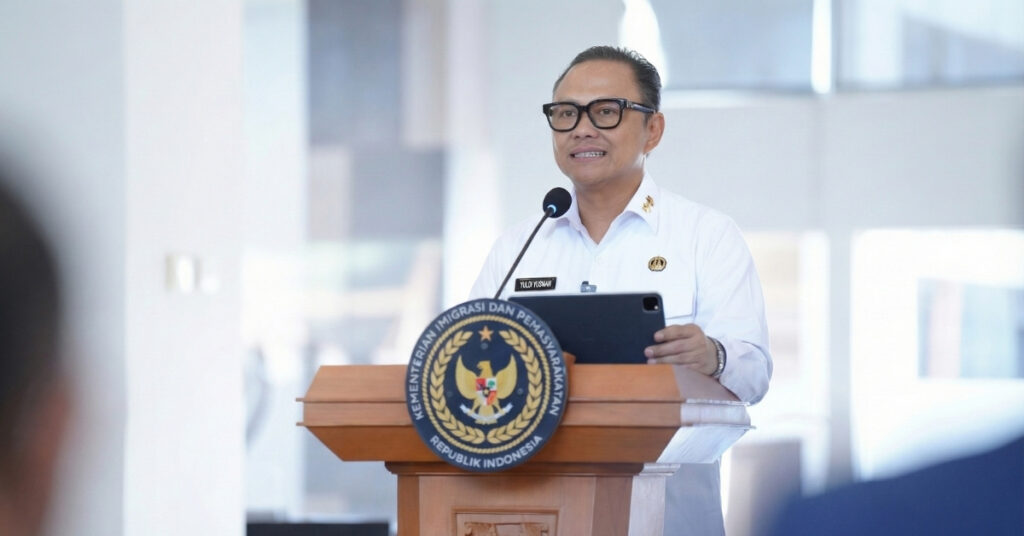
Indonesia telah lama terlibat dalam perdebatan awam mengenai kewarganegaraan berganda, terutamanya dalam kalangan komuniti diaspora. Reuters mengaitkan waktunya dengan kebimbangan “brain drain”: orang Indonesia berpindah ke luar negara untuk peluang yang lebih baik dan kemudian kehilangan kewarganegaraan Indonesia. Reuters juga mencatat data Imigresen yang menunjukkan bahawa hampir 4,000 rakyat Indonesia menjadi warganegara Singapura dari 2019 hingga 2022, satu angka yang dipetik oleh pegawai sebagai sebahagian daripada isu migrasi bakat yang lebih luas.
Kerajaan juga secara terbuka membandingkan GCI dengan India. Kewarganegaraan India Luar Negara (OCI) model, status kediaman “seperti kewarganegaraan” untuk ahli diaspora, tanpa pasport.
Pendekatan Indonesia juga boleh dibandingkan dengan dasar imigresen dan dwi-kewarganegaraan Australia, yang menyediakan laluan bagi warganegara asing dan ekspatriat untuk memperoleh kediaman atau status khas sambil mengekalkan kewarganegaraan asal mereka. GCI membolehkan individu mengekalkan kewarganegaraan asing mereka sambil memperoleh kediaman jangka panjang hak di Indonesia; ia bukan laluan untuk pemerolehan kewarganegaraan atau kewarganegaraan Indonesia.
Program GCI bertujuan menarik bakat dan pelaburan, memodenkan tadbir urus ke arah kerangka imigresen yang lebih terbuka, dan meningkatkan keterhubungan global Indonesia untuk menyokong pertumbuhan ekonomi.
Siapa yang boleh memohon (Pemohon yang layak)?
Rasmi siaran akhbar Imigresen menyenaraikan kumpulan-kumpulan ini sebagai layak memohon GCI, dengan ikatan kekeluargaan (termasuk mereka daripada keluarga perkahwinan campuran) menjadi teras kelayakan:
- Bekas warganegara Indonesia (ex-WNI), juga dirujuk sebagai bekas warganegara
- Keturunan bekas warganegara Indonesia sehingga darjah kedua
- Pasangan sah warganegara Indonesia (WNI) atau bekas WNI, termasuk pasangan asing
- Anak-anak daripada perkahwinan sah antara warganegara Indonesia dan warganegara asing, menonjolkan keluarga perkahwinan campuran
GCI direka untuk individu yang mempunyai hubungan biologi atau keturunan Indonesia yang disahkan.
Pada masa yang sama, senarai visa “GCI” awam yang dipaparkan di laman rasmi Imigresen menumpukan pada Siri E32 (lebih lanjut mengenai itu di bawah).
Siapa yang dikecualikan?
Siaran akhbar itu juga menyatakan permit tersebut. tidak terpakai kepada warganegara asing yang:
- adalah daripada negara-negara yang dahulu pernah menjadi sebahagian daripada wilayah Indonesia,
- terlibat dalam separatisme, atau
- mempunyai latar belakang sebagai pegawai awam, perisikan, atau ketenteraan asing di luar negara (seperti yang dinyatakan dalam siaran akhbar).
Anda juga akan melihat bahasa pengecualian yang serupa tersenarai di halaman rasmi visa E32 itu sendiri.
Berapa kos GCI dan berapa lama ia sah?
Pada portal eVisa, setiap pilihan GCI menunjukkan yuran yang sama sebanyak Rp 34.800.000 dan “5 TAHUN DAN KE ATAS (TANPA HAD)” (jadi penginapan anda disenaraikan sebagai Tanpa had). Tetapi, ingat, bahawa nombor itu adalah yuran visa kerajaan yang dipaparkan dalam sistem, biasanya ia tidak merangkumi tambahan seperti terjemahan bersumpah, Pengesahan dokumen, kos penghantaran, atau perbelanjaan penyediaan dokumen lain.
7 jenis visa GCI yang akan anda lihat di laman rasmi
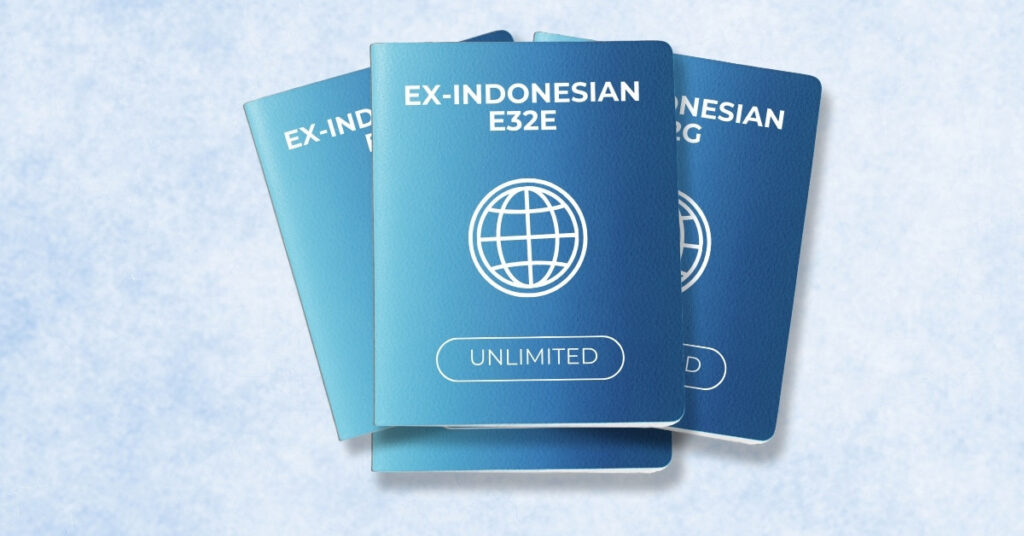
Di halaman rasmi “Global Citizen of Indonesia” Imigresen, GCI dikaitkan dengan empat kategori visa: E32E, E32F, E32G, dan E32H. Kategori GCI adalah satu klasifikasi dalam kerangka imigresen Indonesia yang menentukan kelayakan, struktur yuran, dan keperluan bagi warganegara asing yang mencari pilihan kediaman atau pelaburan.
Berikut maksud setiap satu dalam bahasa biasa:
1) E32E, Repatriasi, Tinggal Tetap (bagi bekas warga Indonesia)
Ini adalah untuk warganegara asing yang dahulunya warganegara Indonesia dan ingin menetap di Indonesia.
Halaman rasmi menyenaraikan keperluan utama seperti:
- pasport sah untuk sekurang-kurangnya 6 bulan,
- sebuah foto terkini,
- bukti bahawa anda boleh menyara diri sendiri, dan
- dokumen jaminan imigresen.
Pemohon juga mesti menyediakan bukti kewangan, seperti bukti pendapatan dan perbelanjaan hidup, untuk memenuhi kriteria kewangan yang ditetapkan oleh pihak berkuasa imigresen.
Ia juga menyenaraikan penanda aras kewangan, termasuk:
- Pernyataan komitmen yang mesti dicapai dalam tempoh 90 (sembilan puluh) hari dari tarikh ketibaan, seperti:
- Membeli bon kerajaan Indonesia dengan nilai minimum AS$5,000 (lima ribu dolar Amerika Syarikat); atau
- Membeli saham dalam syarikat tersenarai awam di Indonesia dengan nilai minimum AS$5,000 (lima ribu dolar Amerika Syarikat); atau
- Membeli dana bersama di Indonesia dengan nilai minimum AS$5,000 (lima ribu dolar Amerika Syarikat); atau
- Letakkan dana sebagai deposit di bank milik negara dengan nilai minimum AS$5,000 (lima ribu dolar Amerika Syarikat); atau
- Membeli hartanah dalam bentuk pangsapuri di Indonesia dengan nilai minimum US$1,000,000 (satu juta dolar Amerika Syarikat) atau yang setara.
- Bukti bahawa dokumen-dokumen menunjukkan orang asing tersebut pernah menjadi warganegara Indonesia, seperti:
- Kad pengenalan (KTP);
- Sijil kelahiran;
- Kad keluarga;
- Pasport Republik Indonesia;
- Diploma, atau
- Bukti pemilikan rumah atau tanah.
Komitmen kewangan bagi bekas warganegara Indonesia ialah $5,000, yang boleh dipenuhi melalui deposit, bon, saham, atau dana bersama di Indonesia.
2) E32G, keturunan bekas warga Indonesia, tinggal tetap
Ini adalah untuk keturunan bekas orang Indonesia. sehingga darjah kedua yang ingin menetap di Indonesia.
Keperluan asas adalah serupa (pasport sah sekurang-kurangnya 6 bulan, gambar, bukti dana, dan sebagainya).
Laman rasmi juga menyenaraikan:
- Pernyataan komitmen bagi keturunan bekas warganegara Indonesia pada peringkat paling tinggi yang mesti diselesaikan dalam tempoh 90 (sembilan puluh) hari dari tarikh ketibaan, seperti:
- Membeli bon kerajaan Indonesia, sekurang-kurangnya US$25,000 (dua puluh lima ribu dolar AS); atau
- Membeli saham syarikat tersenarai awam di Indonesia, sekurang-kurangnya US$25,000 (dua puluh lima ribu dolar AS); atau
- Membeli unit amanah di Indonesia, sekurang-kurangnya US$25,000 (dua puluh lima ribu dolar AS); atau
- Meletakkan dana dalam bentuk deposit di bank milik negeri, sekurang-kurangnya US$25,000 (dua puluh lima ribu dolar AS); atau
- Membeli hartanah dalam bentuk pangsapuri atau apartmen di Indonesia, sekurang-kurangnya US$250,000 (dua ratus lima puluh ribu dolar AS) atau jumlah setara
- Bukti bahawa dokumen-dokumen menunjukkan orang asing tersebut pernah menjadi warganegara Indonesia, seperti:
- Kad pengenalan (KTP);
- Bukti hubungan keluarga dengan bekas warganegara Indonesia, antara lain:
- Kad keluarga
- Buku perkahwinan atau sijil perkahwinan yang dikeluarkan oleh kementerian atau institusi yang dibenarkan
- Dokumen lain yang membuktikan dan menerangkan hubungan keluarga dengan bekas warganegara Indonesia
- Riwayat hidup;
- Bukti pendapatan, sekurang-kurangnya.
- US$15,000 (lima belas ribu dolar AS) setahun; atau
- US$1,500 (seribu lima ratus dolar AS) setiap bulan
- Bukti pendapatan, sekurang-kurangnya:
- US$15,000 (lima belas ribu dolar AS) setahun atau
- US$1,500 (seribu lima ratus dolar AS) setiap bulan
Komitmen kewangan untuk keturunan generasi pertama ialah $10,000, dan untuk keturunan generasi kedua ialah $25,000. Komitmen kewangan ini boleh dipenuhi melalui deposit, bon, saham, atau dana bersama di Indonesia.
3) E32F, Repatriasi, “Kemahiran Khas”
Ini masih dalam lorong pemulangan, tetapi bahagian jaminan berbeza. Laman rasmi E32F menyenaraikan:
- Pasport kebangsaan yang sah dengan tempoh sah sekurang-kurangnya 6 (enam) bulan.
- Bukti perbelanjaan hidup sekurang-kurangnya US$2000 (dua ribu dolar) atau setara.
- Bukti jaminan daripada Penjamin, iaitu kerajaan persekutuan.
- Fotografi berwarna terkini.
- Rajah Hayat.
- Surat jemputan daripada kerajaan yang menerangkan pengambilan seorang warga asing yang merupakan bekas warganegara Indonesia dengan bakat istimewa.
- Bukti bahawa dokumen-dokumen menunjukkan orang asing tersebut pernah menjadi warganegara Indonesia, seperti:
- Kad pengenalan (KTP);
- Sijil kelahiran;
- Kad keluarga;
- Pasport Republik Indonesia;
- Diploma, atau
- Bukti pemilikan rumah atau tanah.
- Bukti pendapatan, sekurang-kurangnya:
- US$15,000 (lima belas ribu dolar AS) setahun; atau
- US$1,500 (seribu lima ratus dolar AS) setiap bulan;
4) E32H, keturunan, “Kemahiran Istimewa”
Seperti E32F, ini juga menyenaraikan:
- Itinerari perjalanan.
- Surat jemputan daripada kerajaan yang menerangkan pengambilan seorang warga asing yang merupakan bekas warganegara Indonesia dengan bakat istimewa.
- Bukti bahawa dokumen-dokumen menunjukkan seorang warga asing mempunyai hubungan darjah kedua dengan bekas warganegara Indonesia, seperti:
- Sijil kelahiran;
- Bukti hubungan keluarga dengan bekas warganegara Indonesia adalah seperti berikut:
- Kad keluarga;
- buku perkahwinan atau sijil perkahwinan yang dikeluarkan oleh kementerian atau institusi yang dibenarkan;
- dokumen-dokumen lain yang membuktikan dan menerangkan hubungan keluarga dengan bekas warganegara Indonesia
- Riwayat hidup;
- Bukti pendapatan, sekurang-kurangnya:
- US$15,000 (lima belas ribu dolar AS) setahun; atau
- US$1,500 (seribu lima ratus dolar AS) setiap bulan;
5) E31A, Pasangan kepada warganegara Indonesia
Jika anda berkahwin dengan warganegara Indonesia dan anda ingin tinggal bersama di Indonesia, E31A (Diaspora) adalah kategori yang digunakan untuk pasangan asing di bawah “Tanggungan Keluarga untuk Diaspora” laluan dalam sistem eVisa rasmi.
Imigrasi secara amnya memberi tumpuan kepada tiga perkara: identiti anda, bukti anda boleh menyokong penginapan, dan bukti perkahwinan diiktiraf secara sah (terutamanya jika ia didaftarkan di luar Indonesia).
Dokumen tipikal yang akan anda sediakan:
- Pasport sah untuk sekurang-kurangnya 6 bulan
- Bukti bahawa anda boleh menampung perbelanjaan hidup
- Fotografi berwarna terkini
- Rajah Hayat (CV)
- Itinerari perjalanan
- Surat permohonan/sokongan daripada suami atau isteri anda yang berwarganegara Indonesia
Bukti perkahwinan yang sah (bergantung pada tempat ia diadakan):
- Jika berkahwin di luar Indonesia: Bukti pelaporan/pendaftaran perkahwinan di Misi Indonesia (atau agensi yang dibenarkan di Indonesia) + sijil perkahwinan yang diterjemahkan ke dalam Bahasa Indonesia oleh penterjemah bersumpah (terjemahan tidak diperlukan jika ditulis dalam bahasa Inggeris)
- Jika berkahwin di Indonesia: sijil/buku perkahwinan yang dikeluarkan oleh kementerian atau institusi Indonesia yang berwibawa
6) E31B, Pasangan Pemegang Visa / Permit Tinggal Utama
Fikirkan tentang E31B (Diaspora) sebagai pilihan “bergabung dengan pasangan” apabila suami atau isteri anda sudah mempunyai visa utama atau permit tinggal di Indonesia. Tumpuan di sini kurang mengenai “memenuhi syarat sendiri,” dan lebih mengenai membuktikan hubungan dan memaparkan Permit utama sah.
Dokumen tipikal yang akan anda sediakan:
- Pasport sah untuk sekurang-kurangnya 6 bulan
- Bukti bahawa anda boleh menampung perbelanjaan hidup
- Fotografi berwarna terkini
- Rajah Hayat (CV)
- Itinerari perjalanan
- Surat penjamin / kenyataan komitmen daripada suami atau isteri anda
- Sijil perkahwinan atau buku perkahwinan (diterjemahkan ke dalam bahasa Indonesia oleh penterjemah bersumpah jika tidak ditulis dalam bahasa Inggeris)
- Salinan visa utama atau permit tinggal yang sah milik suami atau isteri anda
7) E31C, Anak Warga Negara Indonesia
E31C (Diaspora) adalah untuk kanak-kanak asing dengan ibu bapa Indonesia di bawah “Tanggungan Keluarga untuk Diaspora” jalur. Idea ini mudah: dokumen anda mesti jelas menghubungkan anak dengan ibu bapa Indonesia melalui dokumen kelahiran dan keluarga rasmi.
(Ini adalah untuk anak yang dilahirkan daripada perkahwinan yang sah di mana salah seorang ibu bapa adalah warganegara Indonesia dan diiktiraf oleh pihak berkuasa berkaitan/misi Indonesia.)
Dokumen tipikal yang akan anda sediakan:
- Pasport sah untuk sekurang-kurangnya 6 bulan
- Bukti bahawa anda boleh menampung perbelanjaan hidup
- Fotografi berwarna terkini
- Rajah Hayat (CV)
- Itinerari perjalanan
- Surat permohonan/sokongan visa daripada ibu bapa Indonesia
- Kad Keluarga (KK) ibu bapa warganegara Indonesia
Bukti kelahiran (salah satu daripada yang berikut):
- Sijil kelahiran yang dikeluarkan oleh agensi kerajaan yang berwibawa, atau
- Bukti kelahiran dilaporkan kepada Misi Indonesia atau agensi kerajaan yang dibenarkan di Indonesia (jika anak dilahirkan di luar negara)
Bukti perkahwinan ibu bapa (bergantung pada tempat ia diadakan):
- Jika berkahwin di luar Indonesia: Bukti pelaporan/pendaftaran perkahwinan di Misi Indonesia (atau agensi yang dibenarkan di Indonesia) + sijil perkahwinan yang diterjemahkan ke dalam Bahasa Indonesia oleh penterjemah bersumpah (terjemahan tidak diperlukan jika ditulis dalam bahasa Inggeris)
- Jika berkahwin di Indonesia: sijil/buku perkahwinan yang dikeluarkan oleh kementerian atau institusi Indonesia yang berwibawa
Bagaimana untuk memohon Kewarganegaraan Global Indonesia

Seperti visa elektronik semasa ketibaan, anda juga boleh memohon GCI pada laman web imigresen rasmi.
Berikut ialah aliran praktikalnya:
Langkah 1: Masuk ke sistem eVisa rasmi dan pilih tujuan yang betul
Mulakan pada rasmi Indonesia Imigresen eVisa laman webe dan log masuk. Pada halaman pencari visa, pilih anda Negara/wilayah pasport, kemudian pilih Diaspora sebagai tujuan utama anda (dan tujuan sampingan jika ia bertanya). Langkah ini penting kerana Pilihan GCI muncul di bawah laluan Diaspora.; jika anda memilih tujuan yang salah, anda mungkin tidak akan melihat kod E32 langsung.
Langkah 2: Pilih kod GCI yang betul
Sebelum anda mengisi apa-apa, pilih kod visa yang sesuai dengan latar belakang anda. E32E secara amnya untuk bekas warganegara Indonesia (bekas WNI), bermaksud anda sebelum ini adalah warganegara Indonesia, dan kini anda memegang kewarganegaraan lain. E32G secara amnya untuk keturunan bekas WNI, bermaksud anda sendiri tidak pernah menjadi warganegara Indonesia, tetapi ibu bapa atau datuk nenek anda adalah warganegara Indonesia (sehingga darjah kedua), dan anda boleh membuktikan hubungan keluarga.
Sekarang amaran penting: E32F dan E32H bukan “peningkatan.” Mereka adalah kemahiran khas rute, dan mereka biasanya memerlukan satu Surat jemputan/keutamaan kerajaan pusat sebagai sebahagian daripada jaminan imigresen. Jadi jika anda belum mempunyai laluan jemputan yang disokong oleh kerajaan itu, E32F/H mungkin tidak realistik, dan anda biasanya harus memberi tumpuan kepada E32E (bekas WNI) atau E32G (keturunan) Sebaliknya.
Panduan pantas “Saya yang mana satu?” (semakan cepat):
Jika anda boleh berkata dengan jujur, “Saya dahulu warganegara Indonesia, saya mempunyai dokumen Indonesia, tetapi sekarang saya adalah warganegara asing.” Anda biasanya seorang E32E kes. Jika anda boleh berkata dengan jujur, “Ibu bapa/datuk nenek saya adalah orang Indonesia, tetapi saya sentiasa menjadi warganegara asing.” Anda biasanya seorang E32G kes. Jika anda boleh mengatakan, “Saya bekas WNI/keturunan dan saya mempunyai jemputan kerajaan pusat untuk kemahiran khas.” kemudian E32F (bekas WNI) atau E32H (keturunan) menjadi lorong yang betul.
Langkah 3: Gunakan halaman “Butiran” sebagai senarai semak anda, kemudian isi borang dengan teliti.
Selepas anda memilih kod, buka visa. Perincian Mulakan dengan halaman ini dan anggap ia seperti senarai semak. Halaman ini biasanya menggariskan tempoh penginapan, kos, aktiviti yang tersedia, dan dokumen yang diperlukan. Kemudian isi borang permohonan: identiti peribadi, maklumat pasport, dan alamat anda di Indonesia. Kebanyakan kelewatan berlaku kerana butiran tidak sepadan (perbezaan ejaan, nama tidak konsisten, bukti status bekas WNI/keturunan yang tidak jelas), jadi salin maklumat pasport anda dengan tepat dan muat naik dokumen yang jelas menunjukkan anda tergolong dalam kategori kelayakan yang anda pilih.
Langkah 4: Bayar, muat turun eVisa anda, dan simpan fail lengkap penghantaran anda.
Setelah borang dan dokumen anda lengkap, teruskan ke pembayaran. Selepas kelulusan, muat turun eVisa dan simpannya bersama resit pembayaran serta dokumen yang anda muat naik. Jangan anggap pembayaran sebagai garisan penamat; beberapa laluan GCI mungkin merangkumi komitmen atau mata pematuhan di halaman Perincian. Pendekatan paling selamat ialah memohon hanya apabila anda bersedia untuk memenuhi keperluan yang disenaraikan di bawah kod E32 khusus anda.
Akhirnya, patuhi peraturan pematuhan selepas kemasukan. Halaman GCI Imigresen menekankan pemprosesan “segera semasa ketibaan” dan menyatakan bahawa pelaporan hanya diperlukan setiap lima tahun, dan ia menyatakan bahawa pelaporan mempunyai tiada yuran.
Sentiasa rujuk maklumat rasmi di portal kerajaan untuk kemas kini dan keperluan terkini.
Rute GCI yang lebih mudah: Visa-Indonesia.com
GCI masih baharu, dan itulah sebabnya ia boleh terasa mengelirukan. Ramai pemohon menghadapi masa menunggu yang lama, langkah-langkah yang tidak jelas, atau detik “apa sebenarnya maksud medan ini?” di portal rasmi. Kami di sini untuk memudahkan proses tersebut. sederhana, berpandu, dan boleh diramalkan, tanpa anda perlu meneka.
Berikut yang anda peroleh apabila anda memohon melalui Visa-Indonesia.com:
- Permohonan berpandu (supaya anda memilih pilihan GCI yang tepat)
Kami membantu anda memadankan situasi anda dengan kategori GCI yang betul dan menyediakan dokumen sokongan yang tepat sejak awal. - Semak dokumen sebelum penghantaran
Kami menyemak fail anda untuk isu biasa, pautan yang hilang dalam dokumen keluarga, jurang terjemahan, imbasan yang tidak jelas, atau butiran yang tidak konsisten, supaya anda tidak membuang masa pada urusan ulang-alik yang boleh dielakkan. - Sokongan khusus (manusia sebenar, bukan portal senyap)
Jika anda mempunyai soalan, anda boleh bertanya. Jika Imigresen meminta sesuatu, kami membantu anda memberi respons dengan jelas. - Visa dihantar sebelum berlepas
Matlamatnya ialah memastikan segala-galanya siap dan diluluskan sebelum anda terbang, supaya anda tidak melakukan perjalanan dengan ketidakpastian. - Dasar pemulangan wang tersedia (dengan terma)
Jika sesuatu yang tidak dijangka berlaku, anda mempunyai jaring keselamatan yang lebih jelas berbanding pengalaman portal layan diri standard. - Lebih banyak cara pembayaran, dalam lebih banyak mata wang
Bayar masuk Euro, Dolar AS, Dolar Australia, dan banyak lagi, serta pilihan pembayaran yang fleksibel. - Pelbagai kaedah pembayaran
Visa, MasterCard, Amex, Apple Pay, Google Pay, dan pemindahan bank, jadi anda tidak akan terperangkap jika satu kaedah gagal. - Mohon bila-bila masa, di mana-mana (mesra mudah alih)
Hantar dari telefon atau komputer riba anda tanpa berjuang dengan sistem yang boleh terasa kekok, terutamanya semasa waktu puncak.
Jika anda mahukan laluan paling lancar, manfaat terbesar adalah ini: Anda tidak memproses jenis visa baharu secara bersendirian. Anda mendapat sebuah pasukan yang membantu anda mengelakkan kesilapan, mengurangkan kelewatan, dan sentiasa dimaklumkan dari awal hingga akhir.
Soalan Lazim
Adakah GCI sama dengan kewarganegaraan Indonesia atau pasport Indonesia?
Tidak. Laman rasmi Imigresen membingkai GCI sebagai sebuah permit tinggal tanpa had (status kediaman), bukan kewarganegaraan.
Adakah saya perlu menafikan kewarganegaraan semasa saya untuk mendapatkan GCI?
Tidak, Imigresen secara eksplisit menyatakan bahawa GCI membolehkan anda mendapatkan permit tinggal tanpa had “tanpa perlu melepaskan kewarganegaraan” (tanpa perlu melepaskan kewarganegaraan anda).
Apakah perbezaan antara versi “Tinggal Tetap” dan “Kemahiran Khas” (E32E/G vs E32F/H)?
Versi Kemahiran Khusus (E32F/E32H) memerlukan satu penaja kerajaan pusat, dan jaminan imigresen adalah surat jemputan/kecemasan daripada kerajaan pusat.Senarai versi Kekal Tinggal (E32E/E32G) tiada penaja dan menggunakan keperluan “komitmen” kewangan sebagai jaminan imigresen.
Bila permohonan dibuka, dan bila ia akan dilancarkan secara rasmi?
Imigresen Indonesia mula menerima permohonan lebih awal sebelum pelancaran rasmi. dijadualkan pada 26 Januari 2026, dan bahawa permohonan sudah pun sedang disemak pada akhir Disember 2025.
Adakah terdapat orang yang tidak layak walaupun mereka mempunyai keturunan Indonesia?
Ya. Senarai halaman E32 mengandungi pengecualian seperti:
- Warga negara negara-negara yang pernah menjadi sebahagian daripada wilayah Indonesia
- Sesiapa yang kini atau pernah berkhidmat sebagai penjawat awam, penguatkuasa undang-undang, perisikan, atau anggota tentera di luar negara
- Sesiapa yang terlibat dalam pemisahan atau tindakan menentang kepentingan negara
Intipatinya
GCI adalah “jalan tengah” Indonesia antara tiada kewarganegaraan berganda dan ingin diaspora kekal berhubung. Ia dibingkai sebagai cara untuk membolehkan bekas warga Indonesia dan beberapa keturunan keluarga tertentu kembali dan tinggal di Indonesia dalam jangka panjang sambil mengekalkan kewarganegaraan asing mereka.
Sedia untuk memohon atau melanjutkan visa anda?
Biarkan pakar visa kami mengendalikan permohonan anda.





 English
  Bahasa Indonesia
  Español
  Italiano
  Français
  日本語
日本語  Nederlands
  繁體中文
繁體中文  한국어
한국어  Norsk bokmål
  Svenska
  Dansk
Dansk  Türkçe
  Polski
  香港中文
香港中文  简体中文
简体中文  Українська
  Русский
  Bahasa Melayu