









印尼酒精法規:購買、攜帶與販售
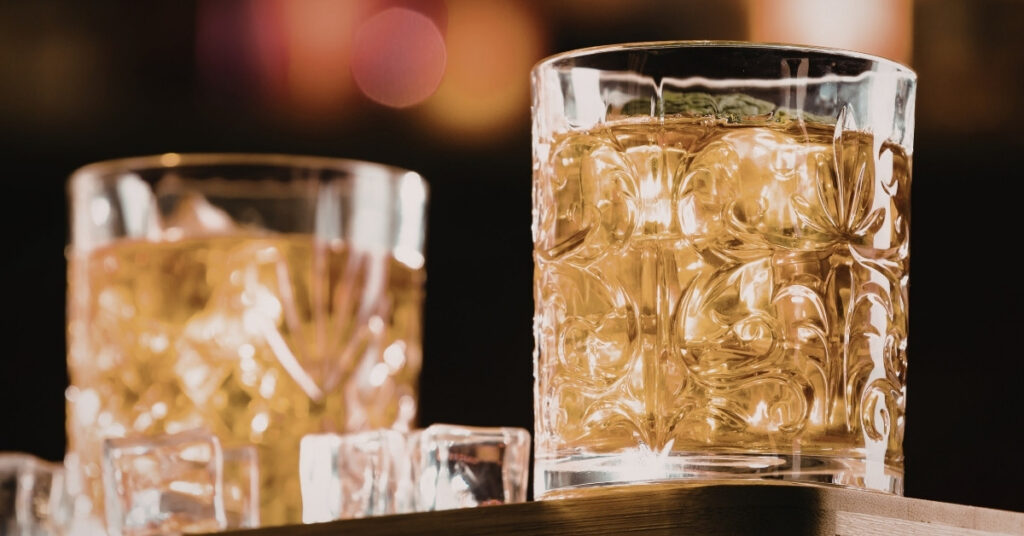
Indonesia is a predominantly Muslim 和 Muslim-majority country, but it’s also incredibly diverse. That’s why the truth about Indonesia’s alcohol laws is not “yes everywhere” or “no everywhere.” In many places, alcohol is legal for adults, and you can easily find beer or a glass of wine. In other regions, laws are much stricter, particularly under Shari’a in Aceh.
This guide explains the things travelers actually need:
- 的 法定飲酒年齡 and how it works in real life
- Rules for imported alcohol 在機場
- How alcohol sales and licensed shops work
- How to buy and consume alcohol respectfully around 本地文化
- 為什麼 methanol poisoning 和 alcohol poisoning are the biggest risks to take seriously
The 30-second cheat sheet
If you only read one section, read this.
1) Airport rule for imported alcoholic beverages (personal allowance):
Customs guidance for passengers typically states that travelers aged 21+ may bring 1 liter of alcoholic beverages; any excess may be destroyed.
2) Legal drinking age (national distribution/sales rule):
Under Ministry of Trade rules, alcoholic beverage sales are only allowed to consumers 21 years or older, which is your minimum age to buy alcohol legally (and the safest standard for tourists to follow).
3) Local rule reality:
Indonesia has national laws and regulations, but local government regulations can be stricter. Always check local rules when you move between islands or provinces.
4) Aceh is the big exception:
In predominantly Muslim regions like Aceh, alcohol is completely banned, while areas like Bali have a more relaxed attitude towards drinking.
5) Safety warning (don’t ignore this):
Travel advisories warn about drink spiking and methanol poisoning in Indonesia (including Bali and Lombok).
6) Alcohol Sales Control in Java and Sumatra
In Java and Sumatra, alcohol is legal, but sales are tightly controlled, often only available in licensed venues.
Why alcohol laws feel different in Indonesia
In some countries, the rules are the same everywhere. Indonesia isn’t like that.
Think of it in layers:
- National rules about import, excise, and distribution (the “big system”).
- Regional differences where local governments set stricter controls on where people can purchase alcohol 或 consume alcohol.
- Local customs and social expectations, what’s “allowed” might still be seen as rude near sacred sites, during ceremonies, or in conservative neighborhoods.
That’s why you’ll see a very relaxed drinking culture in some tourist zones like Bali, and a much more careful vibe in certain rural regions or conservative areas.
Bringing alcohol into Indonesia
If you’re planning to bring alcohol into Indonesia, it helps to understand how the country treats alcohol once it’s inside its borders.
The 1-liter rule (and what “excess will be destroyed” means)
Customs guidance typically states that individuals aged 21 or older may bring 1 liter of alcoholic beverages; any excess will be destroyed.
That matters because travelers sometimes assume they can just pay tax for extra bottles. The traveler-facing customs rule you’ll see referenced says destruction can happen for the extra amount. So the simplest “no drama” plan is:
Bring 1 liter or less.
Why do people keep hearing “2.25 liters” online?
You’ll sometimes see another number (2.25 liters) mentioned in business or trade-policy conversations. Some sources cite changes in import policy that raised the maximum volume for travelers to 2.25 liters.
So what should you do with this conflicting info?
Here’s the practical traveler’s answer: Customs passenger guidance still commonly emphasizes 1 liter for adult passengers (21+), and it explicitly warns that excess may be destroyed.
For the smoothest arrival, especially at busy airports, stick to 1 liter.
“Is it per bottle or total?”
It’s the total amount of alcohol. That means:
- One 1-liter bottle = already max
- Two 500 ml bottles = also max
- A 750 ml wine + a 330 ml beer = over 1 liter (and that’s where people get surprised)
Buying alcohol in Indonesia
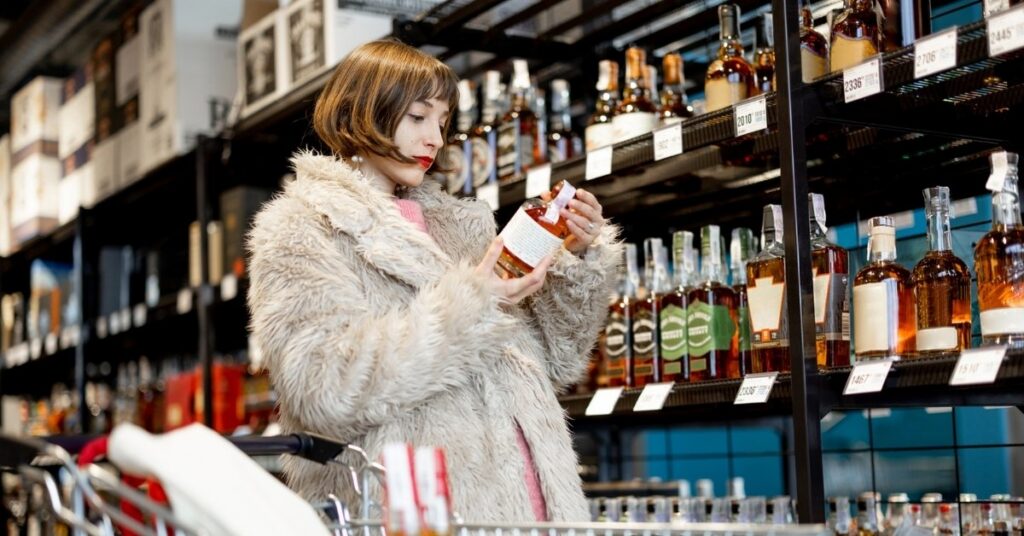
The legal drinking age is 21
ID checks for age verification are uncommon in Bali, but establishments may ask for identification, especially in tourist-heavy areas. Especially at clubs, they sometimes require ID verification to enter.
Here’s an important nuance (especially for tourists):
While enforcement of the legal drinking age can be inconsistent, the law still applies; tourists are encouraged to respect it.
Even if a bartender doesn’t ask for your passport, you’re still expected to follow the drinking age rule.
If you’re under 21 and you drink anyway, you’re also making any other issue worse. For example, Indonesian legal analyses note offenses related to public intoxication/disturbing public order can be punishable, so if underage drinking is combined with disorderly behavior, a fight, or a traffic incident, consequences can escalate to fines or detention under broader laws and local enforcement.
Tourist areas in Indonesia, such as Bali and Jakarta, generally have more relaxed alcohol availability compared to rural or conservative regions.
Where you can usually buy alcoholic drinks
A practical way to picture legal availability is: alcohol is allowed, but it’s channeled through certain places and licenses. A long-standing regulatory summary (USDA GAIN report) describes alcohol sales for 21+ consumers in places like hotels, restaurants, bars, duty-free shops, and other locations designated by the local government.
In many tourist-heavy areas, especially Bali, alcohol is widely available in bars, restaurants, and licensed shops, and most tourists can find alcohol without much effort.
Convenience stores, small shops, and liquor stores: why it varies
Indonesia has also used rules that restrict alcohol retail in small shops 和 convenience stores, especially outside Bali. Back in 2015, Indonesia introduced a ban limiting sales in small retailers in a move to curb drinking in the muslim majority setting, with exceptions noted for Bali in some reporting.
Policy discussions also describe restrictions affecting minimarkets/convenience stores.
So, depending on where you are:
- In some cities or tourist areas, you’ll see alcohol in supermarkets, licensed shops, and bars.
- In other areas, you might not see it in minimarkets at all.
- In some rural areas, you may only find alcohol through limited channels, or not easily at all.
Why is imported alcohol expensive in Indonesia
A big reason: high taxes and duties.
Reporting and policy research have described very high import duties and heavy tax pressure on imported spirits and wines, making imported alcoholic beverages significantly more expensive than local options.
This is why travelers often notice:
- Branded spirits and wines cost more than in 其他國家
- Alcohol can feel heavily taxed
- Alcohol is expensive, a real complaint, especially for imported brands
And there’s a darker side:
High import taxes make alcohol expensive in Indonesia, contributing to a black market for bootleg liquor. Policy papers and major news reports have linked high prices and restrictions to demand for unrecorded or counterfeit alcohol.
Bali vs other regions: local rules and regional differences
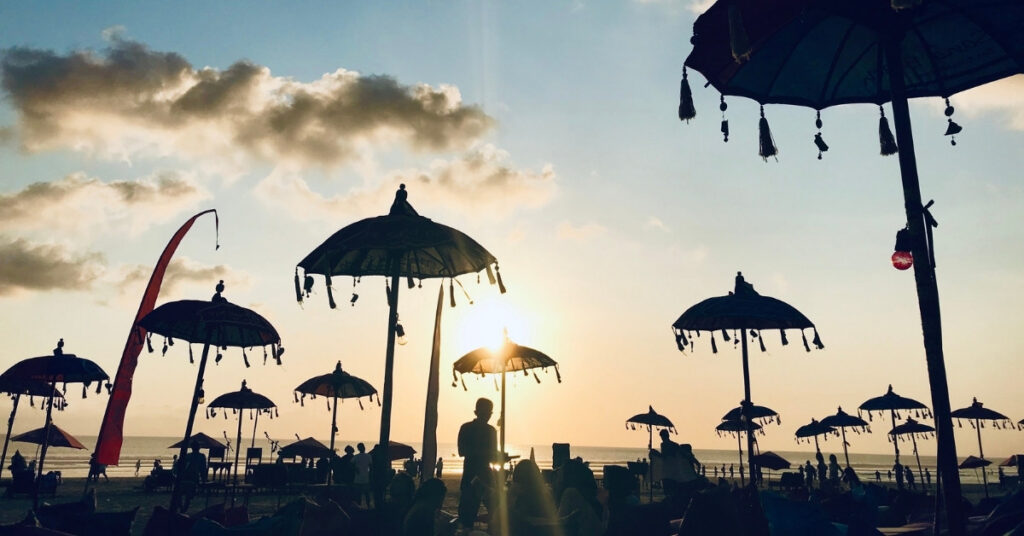
Bali (generally more relaxed)
Bali is famous for beach clubs, nightlife, and a visible “tourist” drinking scene. In many tourist areas, you’ll find reputable bars, large clubs, restaurants, and hotels serving mixed drinks, beer, and cocktails.
This doesn’t mean “anything goes.” It means the general vibe is more relaxed compared to many other parts of Indonesia, and alcohol is more available through licensed venues.
Practical Bali etiquette that keeps you out of trouble:
- Avoid excessive drinking in public.
- Be extra careful near temples or sacred sites.
- Keep it discreet in conservative neighborhoods, especially near religious spaces.
Rural regions and conservative areas
Indonesia is huge. In many rural regions, alcohol is not part of daily life the way it is in some tourist hubs. Even where alcohol is technically legal, social rules may be tighter, and public drunkenness can draw attention fast.
If you’re traveling outside the main tourist circuit, it’s smart to:
- Check local rules
- Watch local behavior
- Ask your hotel if alcohol is appropriate in that area
Local alcohol and traditional beverages: what they are, and how to drink safely
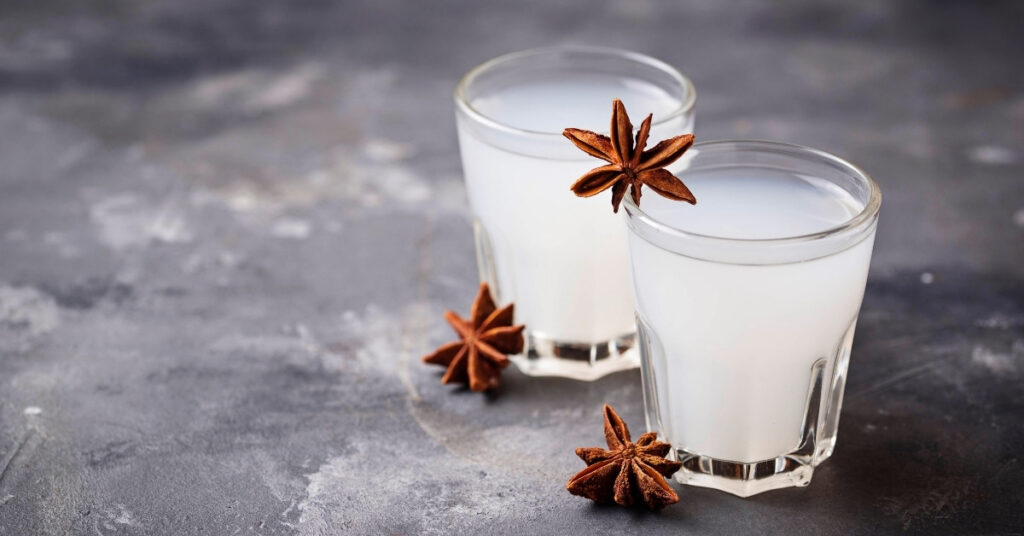
Indonesia has local drinks that people might describe as traditional beverages. Some are homemade; some are produced commercially.
Here are a few you’ll hear about:
Arak (locally produced spirits)
Arak is a common word travelers hear in Bali. It can refer to locally produced spirits, sometimes made from local sources (including rice or palm). The problem is not the name, it’s the safety of the production.
Methanol poisoning is a serious risk associated with improperly distilled local spirits in Indonesia. Travel advisories warn about methanol in alcoholic drinks, and medical literature has discussed methanol poisoning among travelers in Indonesia.
So the safest rule is:
Only consume Arak from verified producers or established venues.
Avoid:
- “mystery” arak from random 街頭攤販
- extremely cheap spirits sold without labels
- homemade spirits offered casually by strangers
Tuak / palm wine (palm sap drinks)
In some regions, people drink palm wine (often called tuak), made from palm sap. It may be commonly consumed in certain communities during social gatherings 或 village ceremonies (depending on region). Because production can vary, treat it like you would treat any unregulated alcohol: be cautious, and prefer known sources.
If you ever want to drink palm wine, do it with trusted hosts and safe conditions, not as a random street purchase.
Brem / rice wine (fermented rice)
You may also hear about rice wine, sometimes made from fermented rice. Again, the key is safe production and storage.
A simple safety filter for local drinks
Ask yourself:
- Is this from a reputable venue (hotel, licensed restaurant, known bar)?
- Is the product sealed or traceable?
- Is the price oddly low, like suspiciously low?
- Is anyone pressuring you into binge drinking?
If the answer feels wrong, skip it.
Binge drinking, public consumption, and how tourists get into trouble
Even in tourist zones, you can get into trouble fast if you ignore local norms.
Don’t turn Bali into a “spring break” situation
Indonesia is not a place where binge drinking in public is treated like a normal tourist activity. And in a conservative neighborhood, loud drunken behavior can be seen as disrespectful, not “fun.”
It is advisable to avoid excessive drinking in public spaces, particularly near temples or sacred sites in Bali.
Also, tourists should be discreet when drinking in conservative areas, especially near religious sites.
Alcohol poisoning and methanol poisoning are not the same thing
- Alcohol poisoning usually happens from drinking too much ethanol (normal alcohol) too fast.
- Methanol poisoning can happen from contaminated or illegally produced alcohol, and it can be deadly even at amounts that don’t seem huge.
If someone has severe vomiting, confusion, unusual sleepiness, or vision problems after drinking, treat it as urgent and get medical help immediately. Travel advisories explicitly warn about methanol risk.
Aceh: alcohol is illegal (this is not a “maybe”)
Aceh is the major exception in Indonesia.
UK government travel advice is blunt: Aceh enforces Sharia law, and the consumption, production, and distribution of alcohol are all illegal, with punishment after a Sharia court process,s including public caning.
So if your itinerary includes Aceh:
- Do not bring alcohol there
- Do not drink there
- Don’t assume “tourist zones” exist the same way as Bali
Selling Alcohol Requirements
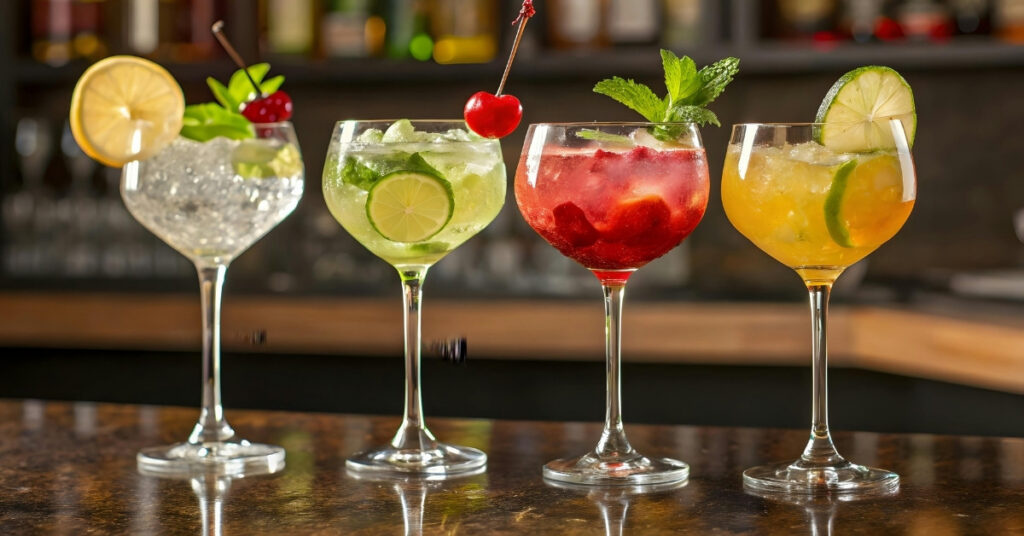
In Bali, alcohol is widely available in bars, restaurants, and licensed shops, reflecting its more relaxed attitude towards drinking compared to other regions in Indonesia. But, alcohol sales may be restricted during key religious holidays in Indonesia, such as Nyepi and Ramadan.
Businesses selling alcohol in Indonesia must obtain specific licenses, and two terms you’ll commonly see are SKPL 和 NPPBKC.
SKPL (direct selling permit)
的 SKPL (Surat Keterangan Penjual Langsung) is a direct selling permit used for businesses involved in selling alcoholic beverages, with categories based on alcohol content (for example, SKPL-A/B/C categories).
In plain English: if a business wants to legally sell alcohol directly to consumers, it generally needs the right permits, not just a random storefront.
NPPBKC (excisable goods business identification)
The NPPBKC (Nomor Pokok Pengusaha Barang Kena Cukai) is an excisable goods business identification number required for businesses dealing with alcoholic beverages. Indonesia’s customs authority (Bea Cukai / Ministry of Finance knowledge base) describes NPPBKC as an identification/permission related to excisable goods businesses.
Local government service pages for SKPL applications also list NPPBKC as part of the requirements in certain licensing contexts.
Why should travelers care? Because this is part of how Indonesia controls alcohol distribution. If a place looks shady, has no proper setup, and sells mystery liquor, that’s a red flag, especially with the risk of methanol poisoning.
Real-life scenarios (so you know what to do)
Scenario 1: “I want to bring imported spirits for my villa.”
If you’re flying in, keep it simple: stay within the 1-liter allowance for 21+ passengers to avoid customs trouble, since excess may be destroyed.
Scenario 2: “I’m under 21 but nobody checks.”
The legal drinking age is still 21 under national trade rules.
Even if enforcement feels lax, you’re taking a risk, especially if anything else goes wrong that night (noise complaints, fights, accidents).
Scenario 3: “Where can I find beer in Bali?”
In Bali, most tourists in tourist-heavy areas can find alcohol easily in bars, restaurants, and licensed shops, and local beer like Bintang beer is commonly seen in many venues. (Availability still depends on location and timing, like Nyepi.)
Scenario 4: “Someone offers me extremely cheap arak from a street vendor.”
That’s exactly the kind of situation associated with methanol risk. Travel advisories warn about methanol poisoning in alcoholic drinks. Buy only from reputable venues and verified sources.
Quick FAQs
Is alcohol legal in Indonesia?
In most of Indonesia, alcohol is regulated (not universally banned), and official tourism guidance notes that no alcohol bans are enforced nationally except in Aceh.
What is the drinking age in Indonesia?
Rules on distribution and sales set the minimum age at 21 for alcohol sales to consumers.
Why is alcohol so expensive?
High duties and excise make imported alcohol expensive; research and reporting describe heavy tax pressure and high import duties, which also fuel a bootleg market.
Can I buy alcohol in convenience stores?
It depends. Indonesia has had restrictions on alcohol sales in small retailers/minimarkets, with policy discussion and reporting describing these limits and exceptions in tourism hotspots.
A final “do this, avoid that” checklist.
If you want to stay safe and respectful while enjoying a drink in Indonesia:
- Follow the 法定飲酒年齡 of 21, even if someone doesn’t check your ID.
- Keep airport imports simple: 1 liter max for 21+ passengers to avoid issues (excess may be destroyed).
- During Nyepi, expect shutdown rules; don’t plan alcohol shopping that day.
- Prefer reputable bars and established venues; avoid unregulated homemade spirits and “too cheap to be real” offers.
- Be discreet with public consumption, especially near temples and sacred sites.
- If you’re going to Aceh, treat it as a no-alcohol region, seriously.
If you tell me your route (for example: Jakarta → Bali → Lombok → Labuan Bajo / Eastern Indonesia), I can rewrite the “where to buy + what to avoid” section to match your exact destinations, including the most likely regional differences and what “check local rules” means in each stop.


 English
  Bahasa Indonesia
  Español
  Italiano
  Français
  日本語
日本語  Nederlands
  繁體中文
繁體中文  한국어
한국어  Norsk bokmål
  Svenska
  Dansk
Dansk  Türkçe
  Polski
  香港中文
香港中文  简体中文
简体中文  Українська
  Русский
  Bahasa Melayu