











外國人申請印尼 SIM 卡
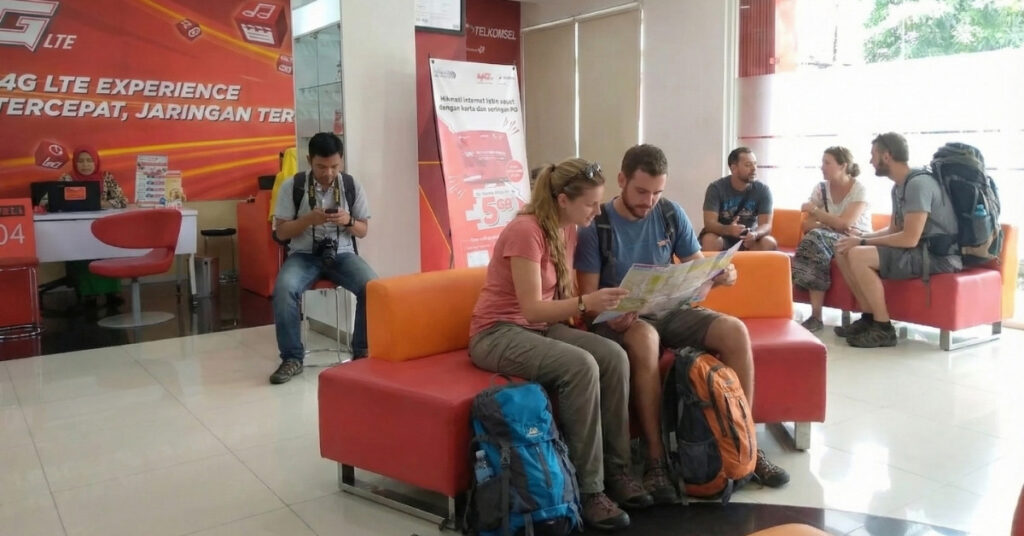
If you land in Indonesia and your phone has no mobile data, the first hour can be stressful. You can’t open Google Maps, you can’t message your driver, and you can’t look up the café your friend swears is “five minutes away.” You 可以 使用 Wi-Fi, but airport Wi-Fi is not always stable, and you won’t have instant connectivity the moment you step outside.
所以讓我們把事情簡單化。.
In 2026, getting indonesian sim card as a foreigner is usually fast. You don’t need an Indonesian tax ID. A 護照 is enough, and the passport registration step often takes only a few minutes once your passport is scanned, if you buy from an official store or an official counter.
The 30-second plan (what most visitors should do)
適用於 大多数旅行者 和 most visitors:
- Choose either a physical SIM card (a local SIM card) or a digital SIM (an embedded SIM, also called an eSIM).
- Buy it at an official provider store location or an airport counter run by the operator.
- Register using your 護照號碼.
- Before you leave, test your 印尼語電話號碼 and your data.
Indonesia’s 2026 rules also push providers to activate numbers only after identity checks are done (for foreigners, passport verification).
Where to buy a SIM card in Indonesia (ranked by “least headache”)
1) Best: official provider stores and official outlets
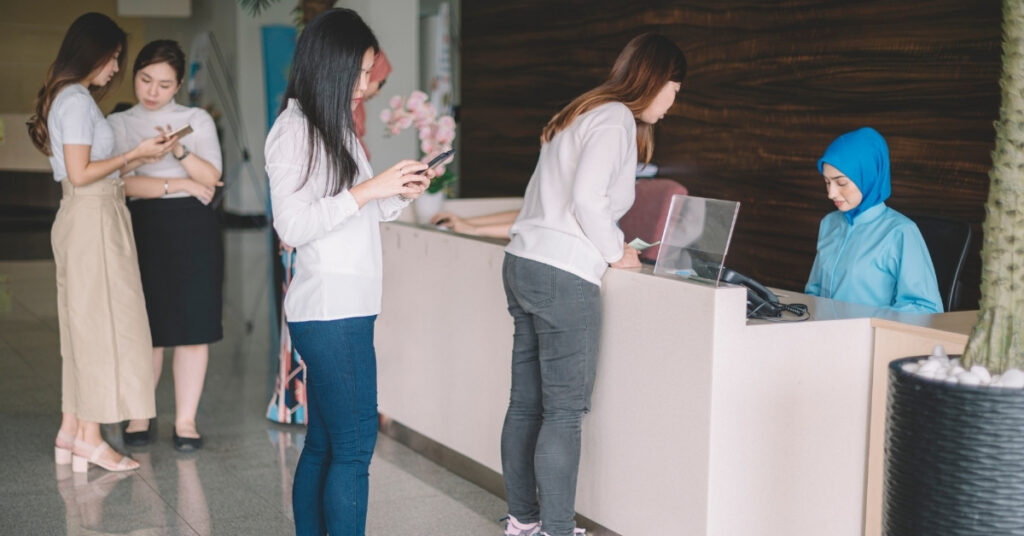
If you want “just do it once and it works,” go to official outlets run by the operator. Telkomsel, for example, says foreigners can register at their outlets or partners with a passport (or KITAS/KITAP), and staff will record the details.
This is also the safest place to handle your data, because SIM registration is a real identity process.
2) Airport kiosks and airport counters (convenient, sometimes pricier)
Buying a SIM at the airport is super convenient. You can walk out with data and a local number right away.
But: Buying a SIM card at the airport is convenient but may be more expensive than purchasing from official provider stores in the city. One travel guide even notes a big jump between city pricing and Ngurah Rai airport pricing for a similar Telkomsel tourist plan.
So if you’re budget-conscious travelers type and you don’t need data in the first 30 minutes, you can wait and buy in town.
3) Convenience stores (only if they’re clearly authorized)
Some convenience stores sell starter packs, but the experience depends on whether staff can handle the registration correctly. If they can’t explain the process, skip it and go to an operator store.
Avoid “instant activation” street sellers
If a seller promises instant activation without proper checks, or asks for passport photos over chat, that’s a red flag. Under the 2026 registration framework, providers are expected to validate/verify identities before activation.
What you need to register (and how long it takes)
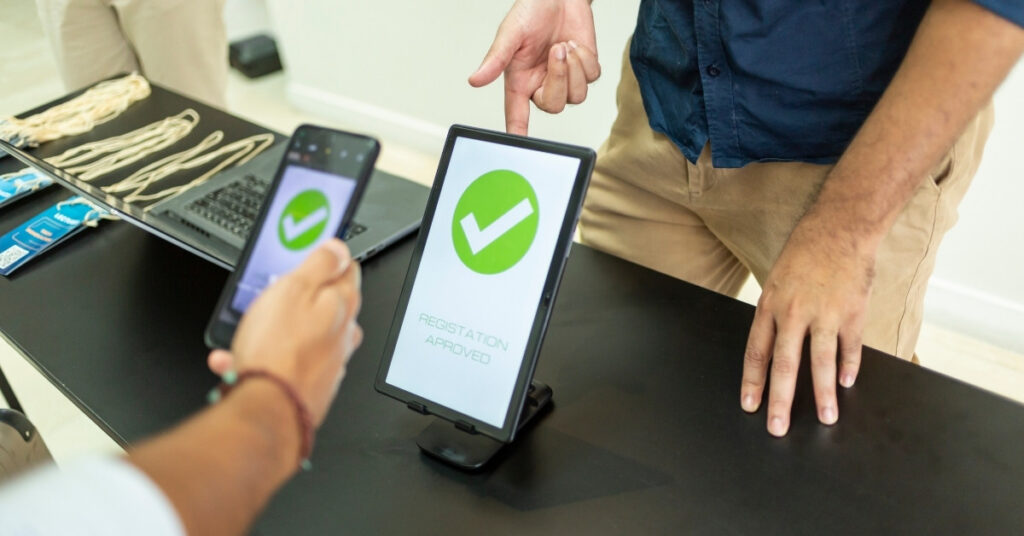
Here’s the best part: Foreigners do not need an Indonesian tax ID to buy a SIM card; a passport is sufficient.
Documents you may need:
- 護照 (and your 護照號碼)
- If you live in Indonesia: KITAS/KITAP (sometimes requested at stores; tourists usually don’t need it)
In most cases, the registration process for a SIM card typically takes only a few minutes once the passport is scanned, assuming you’re at an official counter with trained staff.
Which provider should you choose?
Indonesia has several major providers. But for travelers, two names come up a lot: Telkomsel and XL Axiata.
Telkomsel: best coverage and most reliable signal (especially outside cities)
Telkomsel is the largest mobile operator in Indonesia (it reports 170+ million customers), and it has built a huge infrastructure to cover the country, including remote and border areas.
It also scores top on third-party coverage testing, which matches what many travelers feel day-to-day: the most reliable signal and coverage, especially in remote areas.
If you’re going beyond 觀光區, think small islands, mountain drives, or deep countryside, Telkomsel is a strong “don’t overthink it” choice.
XL Axiata: great value in urban centers
XL Axiata provides affordable plans with generous data allowances, which makes it a good pick if you’ll mostly stay in cities and popular tourist zones.
So here’s the simple rule:
- Want the safest bet for coverage and remote trips? Pick Telkomsel.
- Want lower cost and strong city service? XL is often the best value.
How much do tourist SIM packages cost in Indonesia?
Let’s talk money, because this is where people get confused.
Typical tourist SIM packages (30 days)
Tourist SIM packages in Indonesia typically offer substantial data allowances, often around 15GB to 50GB with 30-day validity.
That’s why these plans feel stress-free: you can use maps, social media, and travel apps without constantly watching the meter.
Tourist SIM cards typically cost around IDR 200,000–300,000 for 30 days of service.
A clear example (Telkomsel)
A typical tourist sim card from Telkomsel, the official “Tourist Prepaid Card”, is listed at IDR 150,000 與 25GB 為 30 天 (plus some local call minutes).
Bali pricing vs international roaming
If you’re searching for “Bali sim card,” here’s the key idea:
的 cost of a SIM card for Bali is generally very affordable compared to international roaming. Many travelers pay around IDR 100,000 to 300,000, depending on data and validity (roughly USD $7–20).
Short trip vs longer stay packages
- For short trips, many providers offer smaller packages with 5–10GB 為 7–14 days.
- For longer stays, bigger bundles like 25–40GB 為 30 天 很常見。
Put another way: you can match your travel style to a plan instead of overpaying.
What about “prepaid packages” in general?
Across prepaid plans, it’s normal to see packages ranging from around IDR 150,000 到 IDR 300,000+ 為 25GB–50GB+, depending on validity and promo timing.
The IMEI part (the one everyone hears about)
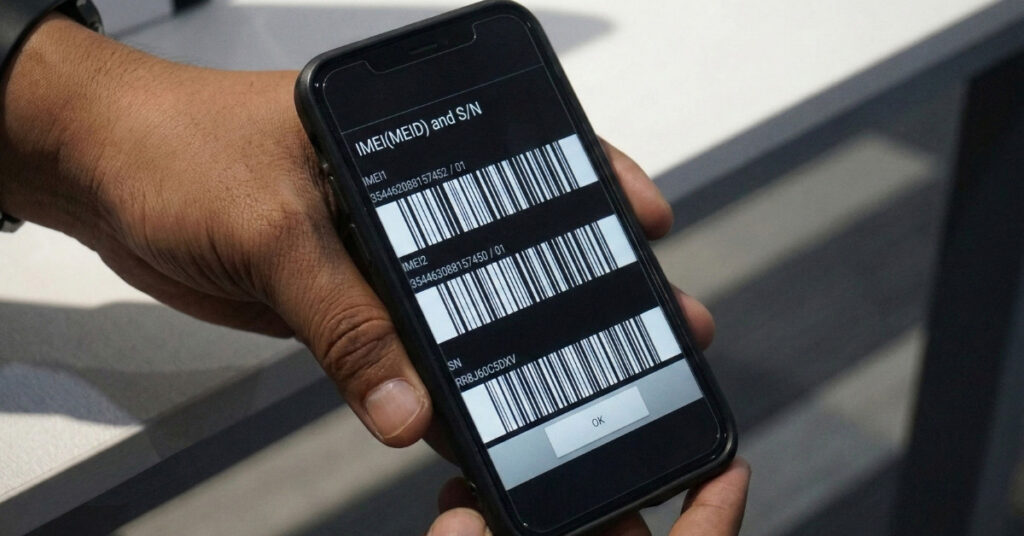
當您 getting a SIM card in Indonesia as a foreigner, your plan choice is only half the story, your phone also needs to be accepted on local networks. That’s where your IMEI number comes in. IMEI stands for International Mobile Equipment Identity, and it’s the unique ID for your device (your phone’s IMEI number). Under Indonesia’s IMEI rules, IMEI 註冊 is required for mobile devices that will use a local SIM, because the device must be registered with Customs to avoid network access problems.
For short trips, this is usually simple. Short stays under 90 days often allow the use of a dedicated tourist sim that comes with a pre-validated IMEI, which is why tourist sim packages are a popular, low-stress option for most visitors. But if your stay exceeds 90 days, you should register your IMEI with Customs upon arrival to avoid losing access to the network later, especially if you plan to keep using the same local sim card long-term.
First: pick your connection style (roaming vs local SIM vs eSIM)
If you want the simplest setup, keep your home sim and turn on international roaming. It’s the easiest way to stay connected because you don’t change anything, but it’s usually the most expensive option for heavy 資料使用. For a very short trip where you only check messages and maps a little, roaming can be fine, just watch the cost if you stream, call, or use Google Maps all day.
If you want the best value, get a local Indonesian SIM card.A tourist prepaid card or other prepaid sim cards usually give you better local rates and bigger data than roaming, which is why most travelers choose this option. The only downside is you have to swap out your existing sim card, since a physical sim card replaces what’s currently in your phone.
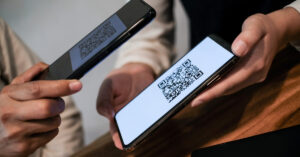
If you prefer convenience and don’t want to swap SIMs, choose an 電子SIM卡, , digital SIM (also called an embedded sim). eSIMs can be activated before arriving in Indonesia, which saves time and hassle, and they are usually installed by scanning a QR碼. Another benefit is that you can keep your home sim active for calls or texts while using the eSIM for data, although local SIM cards are typically cheaper than eSIMs for similar data.
We created a full guide on eSIM vs SIM card for you to check if you want to dig deeper into the options.
One more thing: internet restrictions (yes, they exist)
Indonesia has internet filtering. Some websites and services can be blocked under local “positive internet” rules, and blocks can change over time. News and digital rights groups often recommend using a VPN if you need consistent access to sites that may be restricted.
So if a site works on roaming but not on your local SIM, it’s not always your SIM’s fault.



 English
  Bahasa Indonesia
  Español
  Italiano
  Français
  日本語
日本語  Nederlands
  繁體中文
繁體中文  한국어
한국어  Norsk bokmål
  Svenska
  Dansk
Dansk  Türkçe
  Polski
  香港中文
香港中文  简体中文
简体中文  Українська
  Русский
  Bahasa Melayu