










Bali 2026 3-Month Bank Statement: Do You Need It?

Last updated: January 7, 2026
If you’ve seen headlines saying, “Bali will require a 3-month bank statement,” you’re not alone. A lot of travelers are confused right now.
So let’s make this simple.
As of today (January 7, 2026), a “3-month bank statement to enter Bali” is being talked about as a proposal (a draft plan), not a confirmed rule that every tourist must follow at the airport. Bali is an Indonesian island, and this proposal is currently in draft form as part of the Regional Regulation on the Implementation of Quality Tourism. That means it might happen later in 2026, but it isn’t something everyone is being asked for right now. The proposed regulation has not yet been enacted and is expected to go before the Bali regional legislature.
This article will walk you through what the proposal is, why Bali is considering it, who it could affect, and what you can do to feel prepared, without panic.
The quick news brief (TL;DR)
Bali officials have discussed a plan to screen foreign visitors by looking at:
- awak bank records from the last 3 months (these bank statements may be required before entry)
- awak length of stay (how long you’ll be in Bali)
- awak planned activities (what you’re doing there)
Similar financial checks are common in other countries, aligning Bali’s proposed policy with international standards for high-quality tourism.
No official minimum amount of money has been clearly announced for this Bali proposal.
Also important: entry checks at airports are usually controlled by Indonesia’s central immigration authority, so if the proposal is implemented, immigration officers would likely be responsible for reviewing these documents. How a provincial Bali regulation would be enforced is still a big question.
Jadual Kandungan
What Bali is proposing
Bali is a popular island destination, and its governor has been actively proposing new regulations to shape the future of tourism. Bali’s government has been pushing an idea often described as “quality tourism.” In regular words, that means:
They want to welcome travelers who can support themselves during their trip, follow rules, respect local culture, and not get stuck in Bali with no money.
To support that goal, Bali leaders, under the direction of the governor, have discussed creating a regional regulation that could include a financial screening step. One aspect of this proposal is checking a visitor’s savings history over the last three months.
That’s why you keep seeing the words “3-month bank statement.” Bali’s governor wants to limit tourists entering the island to match his idea of quality tourism. The proposal aims to ensure that only high-quality, high-spending tourists visit Bali, and the regulations are intended to help conserve local culture and the environment by attracting quality tourists.
But again: it’s still described as a draft regulation. Draft means it’s not final yet.
So… is this required to enter Bali right now?

No. The requirement for all Bali arrivals to present 3 months of bank statements is still in draft form, and there is no official date by which it will take effect.
What exists right now is:
- A policy discussion / draft plan in Bali about screening tourists.
- Separate rules for certain visa applications (some longer-stay visas already ask for proof of funds, and sometimes a bank statement).
Currently, this proposal is a local government matter and must align with higher-level laws and national immigration law. The proposal also raises questions about enforcement and legal authority, as local politicians and leaders have expressed concerns about the practicality of enforcing financial checks if they are not implemented nationally across Indonesia. Bali’s governor has not provided a clear outline of how these proposed financial checks would be enforced, leading to further questions from local leaders.
Those are different things.
So if someone tells you, “Bali 100% requires this now,” they’re probably mixing up the proposal with other visa requirements.
When could it start?
In reports, Bali officials have said this could be part of new rules that start in 2026. That sounds soon, but “in 2026” is still broad.
There’s a process before a draft becomes a real rule. In general, it needs official approval, clear instructions, and a way to enforce it.
In simple terms: a rule doesn’t become real just because people talk about it.
What you should do:
- If your Bali trip is soon (like this month), don’t panic.
- If your trip is later in 2026, it’s smart to stay updated and keep basic proof of funds ready.
How much money would you need?
This is where many “top pages” don’t help.
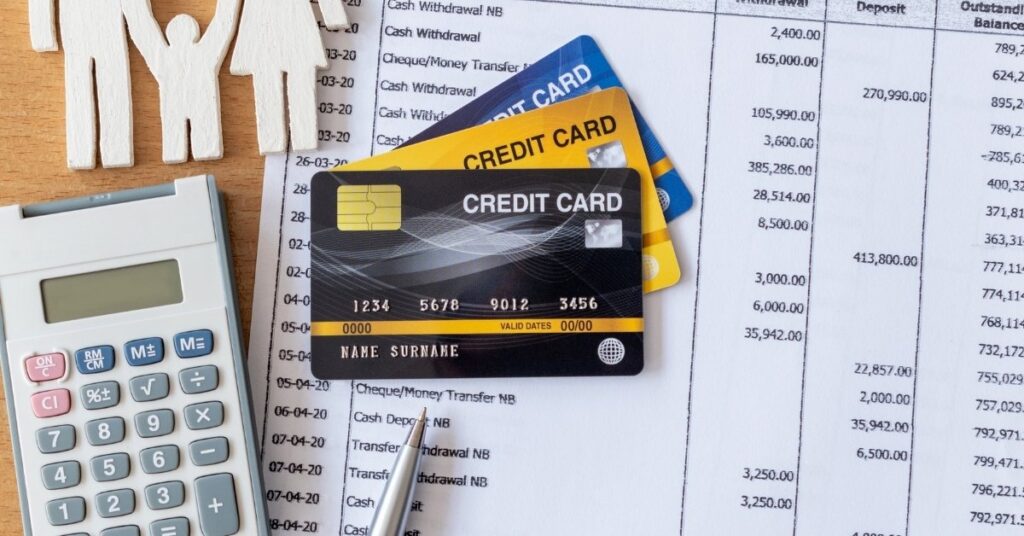
For Bali’s proposal, there is no fixed official number announced. Travelers must show sufficient funds to support their stay, typically by providing a bank statement.
The idea described in reporting is more like: “We’ll judge whether you have enough money based on how long you stay and what you plan to do.” There is no fixed minimum balance required; instead, immigration officers may assess each case individually based on the traveler’s financial status.
E-statements are generally accepted as proof of sufficient funds, and a physical bank stamp is usually not necessary. Tourists should verify their bank statements to reflect steady funds rather than a large deposit right before travel, as this demonstrates genuine financial health.
It’s important to note that the proposed financial checks could disproportionately affect budget travelers, who contribute significantly to Bali’s local economy. The regulation aims to attract high spenders as part of the quality tourism initiative.
That means someone staying 3 days and someone staying 3 months should not be judged the same.
A simple way to think about it
Instead of asking, “What’s the magic number?” ask:
“Can I realistically pay for my whole trip without trouble?”
That includes:
- Where you’ll sleep
- How you’ll eat
- How you’ll get around
- Any tours, events, or special plans
- A safety buffer (extra money for emergencies)
If you can cover those, you’re already thinking like a responsible traveler.
Who is this for?
The reporting talks about screening foreigners arriving in Bali for a visit.
If the plan becomes real, it could affect many types of travelers, like:
- Tourists coming for holidays
- Long-stay travelers (digital nomads, extended vacations)
- People coming for events, retreats, or workshops
The proposed regulation would require tourists to present bank statements along with current entry requirements, such as a return ticket and planned activities. This is part of Bali’s efforts to verify the financial status of foreigners and ensure their visit is temporary and aligns with immigration controls.
But here’s the key point:
We don’t have a final, official list of who will be checked and how.
In real life, some rules apply to everyone, while others only apply to certain visa types. Until Bali publishes a final rule and a clear method, we should treat details as “possible,” not guaranteed.
Why Bali wants to do this
Let’s be real: Bali is popular. Millions of people love it.
But popularity can create problems.
Bali officials have said they want to reduce issues like:
- Visitors who arrive with very little money
- People who end up stranded
- Overstays or visa misuse
- Illegal work
- Tourist behavior that creates public problems
From Bali’s side, the logic is:
If you can fund your own trip, you’re less likely to get into trouble.
They also want tourism that supports local communities more, instead of “super cheap trips” that don’t help much.
That’s the idea behind “quality tourism.”
How could enforcement work? (Two likely models)
Because the plan is still being discussed, we can’t point to one confirmed method. However, there are two common ways this kind of check could happen, both involving bank statement processing before entry, either during visa issuance or at the border.
Model A: The requirement is tied to issued visas. In this scenario, applicants would need to submit months of bank statements (typically three months) as part of their visa application process. This means bank statements before entry would be reviewed by immigration authorities to verify financial means before a visa is granted.
Model B: The check is performed at the border, where immigration officers could request to see three months of bank statements upon arrival as part of bank statement processing. This model raises questions about practicality, privacy, and whether such enforcement would be handled regionally in Bali or nationally across Indonesia.
The proposal has received mixed reviews from regular visitors, local leaders, and tourism stakeholders.
Model A: You upload documents during a visa application
This is common in many countries.
You apply online, and you upload proof of funds. If your documents look okay, your visa is processed. In some cases, verifying your bank statement may require access to the same bank, which can raise questions about the practicality and privacy of the process.
This model is cleaner and more organized because travelers know what to prepare ahead of time.
Model B: Spot checks at the airport
This means an officer might ask for extra proof when you arrive. Implementing such spot checks could create conflict between regional and national authorities, especially if local regulations differ from national immigration policies. Further restrictions may also be considered as part of the ongoing policy discussion.
Not everyone gets checked. It could depend on:
- Your visa type
- How long you say you’ll stay
- Whether your story is consistent (ticket, hotel, itinerary)
This model can feel stressful, but it’s how many countries do random checks.
What we still don’t know (and should not guess)
If Bali moves forward, travelers will need clear answers to questions like:
- Will screenshots be accepted?
- Does it have to be printed?
- Must it be in English?
- Will there be a minimum amount, or will it be case-by-case?
There are still many unknowns, and if the policy is not carefully designed, it could be easily gamed by travelers. The reality of enforcement may also differ significantly from what is proposed on paper.
Until an official guideline is published, any page claiming “100% exact rules” is probably overconfident.
What to prepare now (simple and safe)
You don’t need to overcomplicate this.
If you want to be ready for possible Bali screening in 2026, prepare basic proof that you can fund your trip.
Documents to keep ready
- Bank statement for the last 3 months (PDF is best) showing your name, the statement period, and your balance.
- Return or onward ticket (proof you plan to leave).
- Hotel booking or accommodation details (even if it’s just for the first part of your stay).
- Simple itinerary (a few lines about what you plan to do and where you’ll be).
That’s it. Simple. Realistic. Normal.
“But what if I don’t have a classic bank statement?”

Good question. Lots of people don’t.
Maybe you use a digital bank. Maybe you’re a freelancer. Maybe you’re a student.
Here’s how to think about it:
You just need a clear, believable way to show you can pay for your trip.
Examples of helpful backup proof:
- Digital bank downloadable statements (official PDF format)
- Payslips (if you have them)
- Proof of income + balance (like invoices + account balance)
- Sponsor letter + sponsor’s statement (for students or family-sponsored trips)
Again, don’t invent things. Don’t fake anything. Just organize what you already have.
Privacy tips (because your bank statement is personal)
It’s normal to feel uncomfortable sharing financial documents.
If you ever need to show a statement:
- Use an official statement from your bank app or bank website.
- Keep it in a secure folder on your phone.
- Consider bringing a printed copy in case your phone dies.
- Don’t hand your phone over unlocked. Show the document yourself.
If you’re asked to submit documents online, make sure you’re using a trusted official site.
The “jurisdiction” question (why this is still complicated)
Here’s the simple version:
Immigration and border entry checks are usually handled by Indonesia’s national government.
Bali is a province. So even if Bali creates a local regulation, it still needs a clear way to work with national immigration systems. Immigration matters, including checking bank statements, are under the authority of the central government and must comply with national law.
That’s one reason you see debate about how this would actually happen in practice.
So, if you see a blog saying, “This is guaranteed at the Bali airport,” take it with a pinch of salt, unless there’s an official implementation notice.
What to watch for next (how you’ll know it becomes real)
If this policy becomes a real requirement, you’ll likely see at least one of these:
- A clear official announcement with a start date
- Updated airport procedures
- Updates in official visa guidance
- Formal publication of the Bali regulation after DPRD approval
Until then, the best move is to prepare basic documents and stay updated.
Soalan Lazim
Do I need a 3-month bank statement for Visa on Arrival (VOA)?
Right now, Visa on Arrival requirements are usually focused on your passport validity and proof that you will leave (return/onward ticket). A bank statement is not consistently listed as a standard VOA requirement.
Will Bali check everyone?
If Bali moves forward, it may be spot checks or tied to certain visa types. We don’t have a confirmed enforcement model yet.
Is there a minimum amount?
For the Bali proposal, no fixed minimum has been clearly announced in official reporting.
What happens if I can’t show it?
If a country asks for proof of funds and you can’t show it, you may face extra questioning or delays. In the worst case, you may not be permitted entry to Bali by immigration authorities. That’s why it’s smart to prepare.
Final takeaway
Let’s keep this grounded.
- The “3-month bank statement” idea for Bali in 2026 is being discussed as a draft policy.
- No fixed official minimum amount has been clearly announced for the Bali proposal.
- If you want to be safe, prepare a clean 3-month statement + a return ticket + basic trip proof.
Bali is a world-renowned destination, famous for its stunning rice terraces and unique culture. As part of Indonesia, Bali follows Indonesian immigration policies, and similar financial requirements are common in Europe for travelers entering the Schengen area. For the latest updates on these regulations, consider following Bali Sun.
That’s not paranoia. That’s just smart travel.
If you want, tell me your travel month and trip length (example: “June 2026, 14 days”), and I can help you create a simple budget + document checklist that fits your exact situation.
Ready to Apply or Extend Your Visa?
Let our visa specialists handle your application.





 English
  Bahasa Indonesia
  Español
  Italiano
  Français
  日本語
日本語  Nederlands
  繁體中文
繁體中文  한국어
한국어  Norsk bokmål
  Svenska
  Dansk
Dansk  Türkçe
  Polski
  香港中文
香港中文  简体中文
简体中文  Українська
  Русский
  Bahasa Melayu