









Can You Bring Alcohol to Bali?
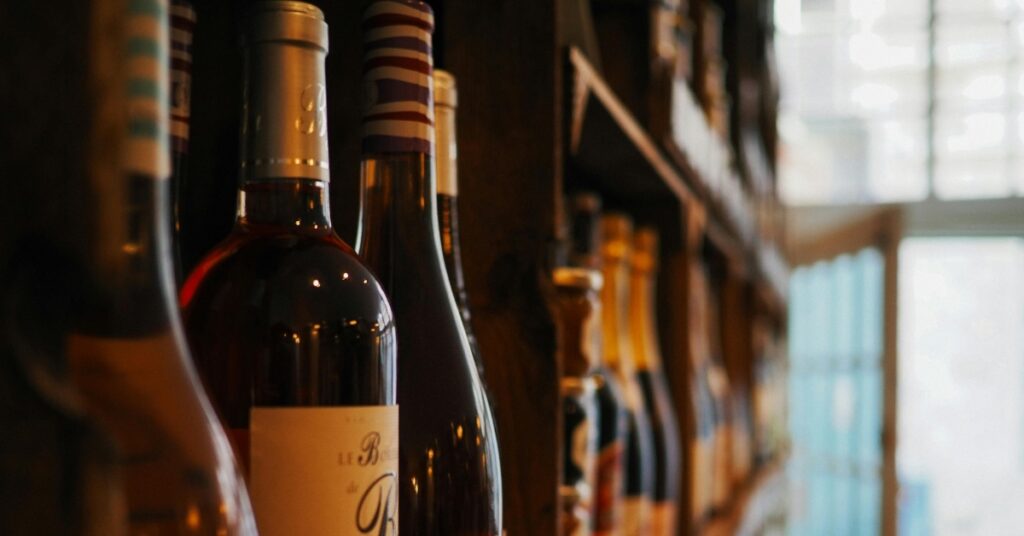
Yes, you can bring alcohol into Bali, but only up to 1 liter per adult. That’s the law, and if you go over the limit or try to hide it, customs can confiscate your bottles, fine you, or even delay your entry. It doesn’t matter if it’s wine, beer, or spirits, everything counts toward that 1-liter limit.
Indonesian Customs is strict about alcohol imports, and its rules apply to everyone, including tourists. You’re expected to declare any extra bottles and pay import taxes if you bring more than allowed. Playing by the rules keeps your trip stress-free.
In this guide, you’ll learn the duty-free allowance, what “1 liter” really means, how the customs declaration works right now, and what happens if you bring too much alcohol. I’ll also cover where to buy alcohol in Bali, why imported bottles cost more compared to other tourist spots, and how to stay safe from counterfeit drinks.
Jadual Kandungan
The official Bali alcohol allowance (and the age rule)
For an adult traveler, Indonesia customs gives an excise-free allowance of 1 litre of alcoholic beverages per person, and that allowance is for passengers age 21+ (legal drinking age).
That limit covers all types of alcoholic beverages, including beer, wine, and spirits. In other words, customs does not care if it’s “just wine.” It’s still alcohol, and it still counts.
Think of it like this: the limit is one liter total, not one liter per bottle. If you bring a 750ml bottle and a 500ml bottle, the total is 1,250ml, which exceeds the limit.
And yes, this is about entering the country (Indonesia) through customs, even if you’re “only going to Bali.”
Does duty-free count toward the 1-liter limit?
Yes. Duty-free counts.
This is the most common misunderstanding. If you buy a bottle at a duty-free shop abroad (say, in Australia), it’s still alcohol you’re bringing into Indonesia. “Duty-free” describes where you bought it, not what customs will ignore.
So if you pack one bottle in your checked luggage and you also grab one at a duty-free shop, customs may look at the combined amount. The total is what matters.
One liter: what it looks like in real bottles
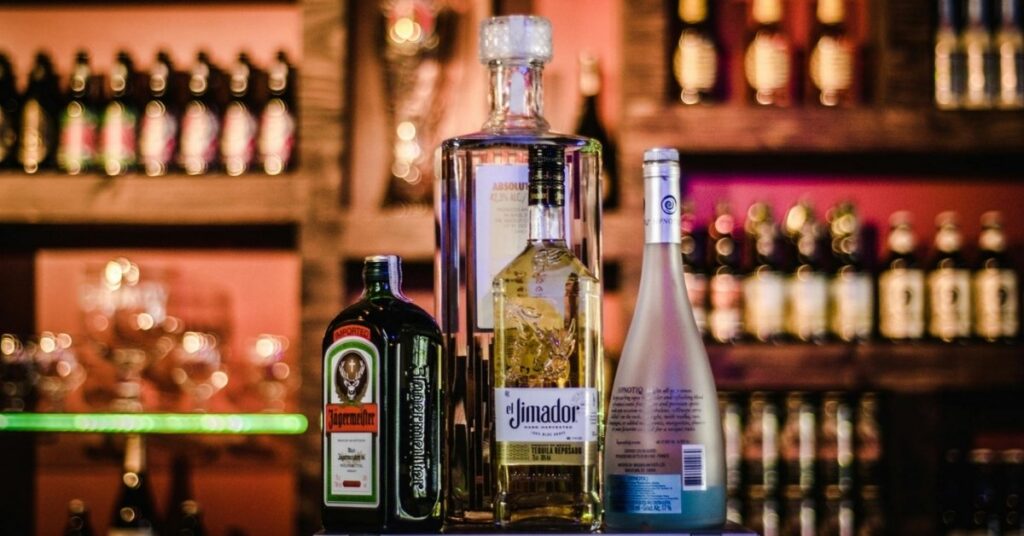
A classic example is Smirnoff Vodka 1L. You’ll also see duty-free sizes like Absolut 1L or Johnnie Walker 1L in many airports. That single bottle alone can already use up your full allowance, so adding “just one more drink” on top can easily push you over without you realizing it.
Wine is where people get caught off guard. A normal wine bottle is usually 750ml, like Yellow Tail 750ml, Jacob’s Creek 750ml, or Barefoot 750ml. One bottle of wine by itself is under 1 liter, so it’s usually fine. But if you bring two 750ml bottles, say two bottles of Yellow Tail, that totals 1.5 liters, which exceeds the limit. That’s why “two bottles of wine” is the most common mistake travelers make when they ask how much alcohol they can bring.
Beer can be tricky, too, because it depends on the can or bottle size. If you carry two big cans, like Heineken 500ml, that adds up to exactly 1 liter. But if you carry multiple smaller bottles, it’s easy to lose track. People often think beer “doesn’t count as much,” but Bali customs still treat it as alcohol, and the total volume is what matters.
The sneakiest situation is mixing categories. Many spirits bottles are 700ml, like Jameson 700ml, Bacardi 700ml, or Tanqueray 700ml, depending on where you buy it. A 700ml bottle feels “safe,” but if you add a single 330ml beer, like a small Heineken 330ml, your total becomes 1,030ml, which is just over 1 liter. That tiny difference is exactly why it’s smarter to plan your alcohol as one simple package instead of mixing extra drinks.
Airline rules vs Bali customs rules (important!)
Here’s a detail most travelers miss: airline rules and customs rules are not the same thing.
Most airlines follow the common safety rule that beverages between 24% and 70% ABV can be packed up to 5 liters total per person, as long as each bottle is in retail packaging and doesn’t exceed 5 liters.
That sounds generous. But it does not override Bali’s customs limit.
So yes, an airline might allow you to carry more on the plane, but Bali customs can still enforce the 1-liter allowance when you land. Customs rules take precedence at the border.
If you’re unsure, don’t guess; Google your airline’s baggage page and check their alcohol section before you travel. (It saves headaches later.)
What happens if you exceed the 1-liter limit?
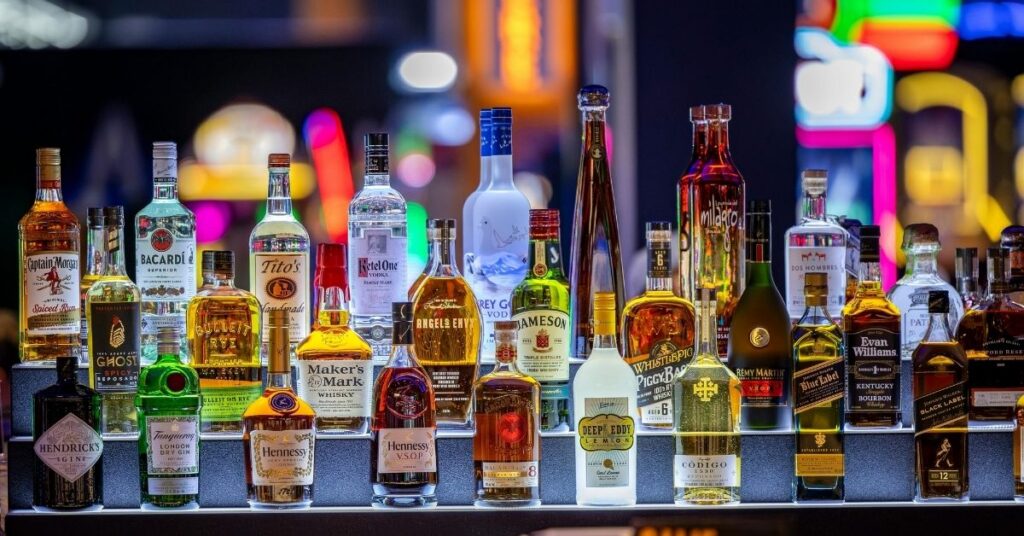
If you exceed the allowance, customs may stop you, inspect your bag, and decide what happens next. Official guidance focuses on the 1-liter allowance, and notes enforcement can be strict, including confiscation/destruction of excess.
In real life, outcomes vary. Some travelers get waved through. Others get pulled aside. That’s why relying on “my friend did it” is risky.
Can you get fined?
Fines for exceeding the 1-liter limit range from $15 to $70per bottle. Treat that as a rough, real-world range, not a guaranteed price list, because customs decisions can depend on your situation, what you brought, and how it’s handled at inspection.
Can your alcohol be confiscated?
Yes. Confiscation is a common outcome people report when they’re over the limit, and official sources emphasize staying within the allowance to avoid losing the excess.
One more safety note: some people confuse alcohol rules with rules for prohibited items. Alcohol is legal for adults in Bali, but drugs and other prohibited goods are a totally different category with far harsher penalties, including, in some cases, the death penalty.
Should you “pay duty” to keep extra alcohol?
People ask this a lot: “Can I just pay the tax / import duty / customs duty and keep it?”
Don’t plan your trip around that idea. The safest assumption is: if you exceed the allowance, the extra alcohol may be taken, and you may not get it back. This is why the smartest travel plan is still the simplest: bring up to 1 litre of alcoholic beverages per adult and stop there.
If you want more alcohol in Bali, buying it after arrival is usually easier than trying to push the limit at customs, especially because imported alcohol can be pricey due to heavy taxes.
Buying alcohol in Bali: where to shop, what’s cheaper, and what’s safer
If you’re thinking, “Okay, I’ll just bring less and buy more there,” that’s a solid plan.
Is alcohol easy to find?
In many tourist areas, yes. You can buy alcohol in lots of shops, including convenience stores and supermarkets (especially in busy tourist zones). Restaurants, bars, and hotels also sell alcohol widely.
If you want a broader selection of imported and well-known brands, Bali also has dedicated alcohol retailers (specialty bottle shops) that carry more options than a small store.
Why is imported alcohol expensive in Bali?
Indonesia’s alcohol laws apply significant taxes and duties on alcohol imports, which push up prices, especially for imported spirits and wine. That’s why a bottle can cost a lot more here compared to other tourist destinations.
Because of those high taxes, buying local brands upon arrival can be more cost-effective than bringing in imported bottles. For example, Bintang beer and Bali Hai are popular local picks and are usually cheaper than imported options.
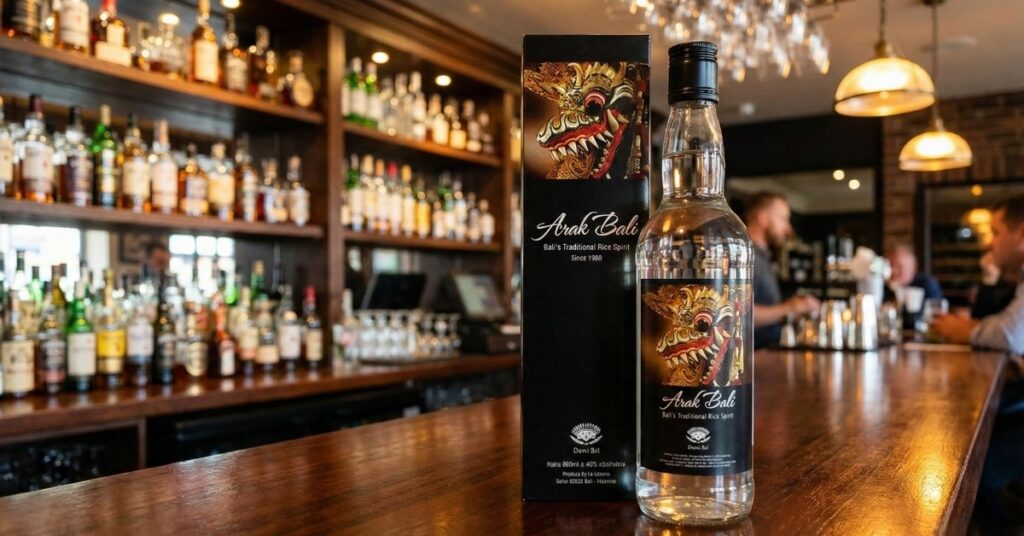
Local alcohol you should know about: Arak
Bali has a traditional local spirit called Arak, often made from distilled rice or palm sap. It’s part of local culture and ceremonies, but quality matters a lot.
Safety warning: Avoid counterfeit or methanol-tainted alcohol
To avoid counterfeit or methanol-tainted alcohol, drink alcohol only from reputable, licensed vendors and choose factory-sealed bottles (look for proper seals/tax stamps where applicable).
If someone offers a “cheap” bottle with a broken seal or a weird label, skip it. Saving money isn’t worth risking your health.
Alcohol restrictions during Nyepi and other religious holidays

Bali is famous for beaches and nightlife, but it’s also deeply spiritual. During major religious events, the island can change its rhythm quickly.
On Nyepi (Day of Silence), Bali shuts down in a serious way, and alcohol sales are widely reported as prohibited during that day.
Consuming alcohol publicly may also be restricted during important Balinese Hindu ceremonies or Islamic holidays in certain areas or venues.
So if your trip overlaps with Nyepi or a major ceremony, plan ahead. Buy what you need earlier, respect the day, and follow local rules.
Declaring & Paying Duty
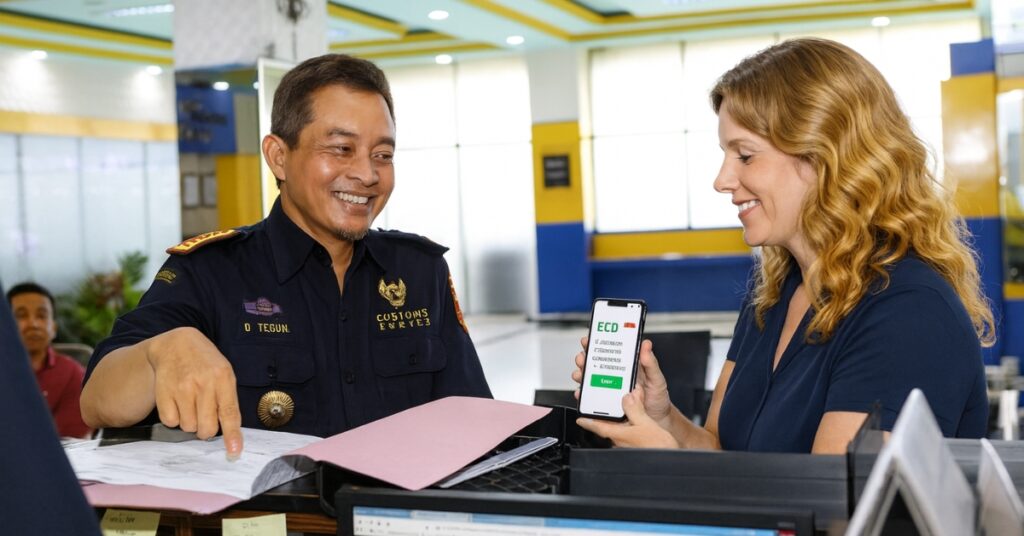
Any alcohol above one litre is confiscated and destroyed under Article 13 (3). Customs no longer accepts duty payments to release the excess.
When you arrive in Bali, you’ll be asked to fill out a customs form. These days, it’s usually the electronic version, called the e-CD. You can complete it online before you land or at a kiosk at the airport. Customs clearance procedures in Bali are similar to those found around the world, so you can expect a familiar process if you’ve traveled internationally before.
Note: It is very important to declare all alcohol you are bringing into Bali to avoid penalties or confiscation.
What to Expect When You Declare Extra Alcohol
- Be Honest on the Form: When filling out your e-CD (electronic customs declaration), make sure to answer honestly, especially the part about alcoholic beverages.
- Paying Duty: If you declare more than one liter, customs officers will calculate how much duty you owe. There may be a variation in the amount owed depending on:
- The type of alcohol (wine, beer, or spirits)
- The volume of alcohol
- The value of the product
For example, a bottle of imported wine atau high-end spirits usually comes with a higher tax bill than cheaper brands. After you pay, your alcohol will be delivered to you by customs officials, and you will receive both your alcohol and a receipt in most cases.
- What Happens If You Don’t Declare It:
- Baggage checks are common.
- If customs finds undeclared alcohol, they can confiscate it.
- You may have to pay a fine, or even worse, be denied entry.
If you go over the limit, customs officers may ask you to pay import duties and taxes on the extra bottles. In some cases, they might simply confiscate the alcohol, especially if you didn’t declare it. That’s why it’s important to be honest on your customs form (either paper or electronic).
Indonesia’s alcohol laws are strict for a few reasons: to control the supply of alcoholic beverages, to collect proper taxes, and to maintain public order. While tourists are welcome, all travelers are expected to comply with local laws, just like in any other country.
To stay on the safe side, always check the official website of Bea Cukai Indonesia or ask your airline before flying. They’ll have the most up-to-date info on alcohol allowances and import duties. Be aware that customs regulations can change, so it’s important to check for any recent updates before your trip. It’s a small step that can save you from big trouble at the airport.
Packing alcohol the smart way (so it doesn’t ruin your luggage)
Even if you follow every rule, bottles can still break. And if the bottle is unsealed or not packed well, it can leak and destroy everything in your bag, clothes, souvenirs, and even electronics.
Unsealed bottles are especially risky because pressure changes and rough handling can cause leaks. Travel packing experts recommend keeping alcohol in unopened retail packaging and wrapping bottles carefully to prevent damage.
If you carry alcohol, pack it so it’s easy to inspect, too. Customs officers don’t love digging through chaos. Make your bag simple and your trip smoother.
Also, basic safety reminder: don’t drink and drive a scooter, motorbike, or car in Bali. It’s not worth it.
Respecting local culture while drinking in Bali
Bali isn’t just a party island. It’s a place where religion and ceremony are part of daily life. That’s why drinking excessively in public, especially around sacred sites, can be seen as disrespectful.
The Bali provincial government’s tourist guidelines emphasize respectful behavior in public places and around religious sites.
A simple rule that helps you blend in: enjoy your drink at bars, restaurants, beach clubs, or your hotel. Don’t treat temples or ceremonies like a backdrop for loud drinking.
Final take: the easiest plan for a smooth arrival
If your main goal is a stress-free entry, here’s the safest approach:
Bring alcohol to Bali only for personal use, keep it to 1 liter per adult, and remember duty free counts. Bali customs may inspect and enforce the limit, and going over can lead to confiscation or even fines reported by some travel sources.
After that, if you want more, buy it in Bali, preferably from reputable stores, where you can choose local favorites like Bintang or Bali Hai, or shop at dedicated alcohol retailers for imported brands (at imported prices).
Bali is more open to alcohol consumption compared to other parts of Indonesia due to its Hindu roots and international tourism.
Ready to Apply or Extend Your Visa?
Let our visa specialists handle your application.




 English
  Bahasa Indonesia
  Español
  Italiano
  Français
  日本語
日本語  Nederlands
  繁體中文
繁體中文  한국어
한국어  Norsk bokmål
  Svenska
  Dansk
Dansk  Türkçe
  Polski
  香港中文
香港中文  简体中文
简体中文  Українська
  Русский
  Bahasa Melayu