








デジタルノマドに最適なインドネシアの都市:仕事、生活、長期滞在に適した拠点の選び方

Indonesia is one of the top destination choices for digital nomads for a reason. It gives people a rare mix of affordable living, strong lifestyle appeal, improved internet, and communities that already understand remote work. The quality of life in Indonesia can feel exceptional, especially when you compare it with many Western countries, where rent, food, transport, and everyday costs are much higher. In the right base, you can live comfortably, stay productive, and still have enough time and money left to actually enjoy your life.
That does not mean every city feels the same. Indonesia is huge. Some places are built around beach life, social energy, and coworking spaces. Others are better for quiet focus, local culture, and a slower routine. Some digital nomads want vibrant nightlife, networking events, and many coworking spaces close by. Others want rice fields, meditation centres, or a big city setup with easy access to hospitals, malls, and airports.
This is why choosing the right city matters so much. A place may look like a perfect destination online, but daily life is where your decision either works or falls apart. Can you get strong internet for calls and uploads? Are there good working spaces nearby if your villa’s Wi-Fi fails? Can you eat well without spending too much money? Will the area help you focus, or keep pulling you into distractions?
目次
Why do so many digital nomads choose Indonesia?
Indonesia continues to attract digital nomads because it solves several problems at once. The 生活費 is still low compared to many Western countries. Internet connectivity in many areas, especially tourist areas, has improved significantly, allowing digital nomads to work without interruption in places that used to feel less reliable. The country also has a strong mix of nature, culture, and convenience, which makes it easier to stay longer without getting bored.
Food is another big reason people stay. Eating out in Indonesia can be very affordable, with meals in a local restaurant often costing between two and five dollars. At the same time, Indonesia offers a rich culinary experience, so daily meals do not have to feel repetitive. You can explore flavors from different islands and regions, from spicy street food and local markets to cafés, seafood spots, and modern restaurants. For remote workers, that kind of variety improves daily life more than people expect.
For many digital nomads in Indonesia, the bigger surprise is not just the cost. It is the balance. You can work in the morning, eat well for a reasonable price, use ride-hailing apps to get around, and still have time to explore temples, beaches, rice terraces, tea country, or city neighborhoods after work. That balance is what wins many people over.
Quick answer: the best base for each type of remote worker
If you want the fastest answer, start here.
Canggu and Ubud are still the most popular choices because they have mature infrastructure and massive nomad communities. Canggu is best for people who want a beachside lifestyle, extensive co-working spaces, and a high-energy social scene. Ubud is better for people who want a calmer atmosphere, a jungle town setting, mindfulness, and a routine built around focus.
Sanur is often a better fit for long-term nomads or families traveling because it has a slower pace and a calm beachfront feel. Denpasar works well for freelancers who want affordable rent, stable Wi-Fi, and a more practical base in Bali. Jakarta is best for people who want real city life, business convenience, and easy access to major services. Yogyakarta is ideal if you want affordable living, a rich culture, and a welcoming community of artists and freelancers. Bandung is a strong choice for creatives who want lower rent and food costs than Jakarta, cooler air, and a more local urban rhythm.
That is the short version. Now let’s look at how to choose like someone planning for real life, not just a short visit.
Before you choose a base, understand the visa side
For many remote workers, the most relevant path is the リモートワーカービザ under the E33G category. This visa type is intended for people who reside in Indonesia while working remotely for a company based outside the country. It can support longer stays, but the process still requires planning, the right documents, and a realistic timeline.
Tax is another reason people look closely at Indonesia. Digital nomads do not pay taxes in Indonesia if they do not work for companies registered in the country. That is one reason Indonesia continues to attract digital nomads. But that sentence should not be treated as a blanket rule for every situation. Tax outcomes can still depend on how long you stay, how your income is structured, and whether you trigger residency issues. So use that point as a starting idea, not as legal advice.
Documents worth preparing before you visit or apply
If you are planning longer stays, it helps to organize your documents early. These are the basics most remote workers should have ready:
- Passport with enough validity left
- 最近のパスポート用写真
- Bank statements or proof of funds
- Proof of income or employment from foreign companies
- Employment agreement or supporting documents for your visa type
- 旅行日程表
- Accommodation details for your first stop
- International health insurance documents
- Backup copies of passport and visa approvals
- A local SIM card plan with enough hotspot data
International 健康保険 is especially important. Good health insurance gives you more flexibility, protects your money, and makes it easier to deal with clinic or hospital visits. Even in places that are generally safe, things happen. Getting sick, falling off a scooter, or needing a sudden checkup is much less stressful when your health insurance is already sorted.
1) Canggu, Bali: best for social energy, beach life, and networking
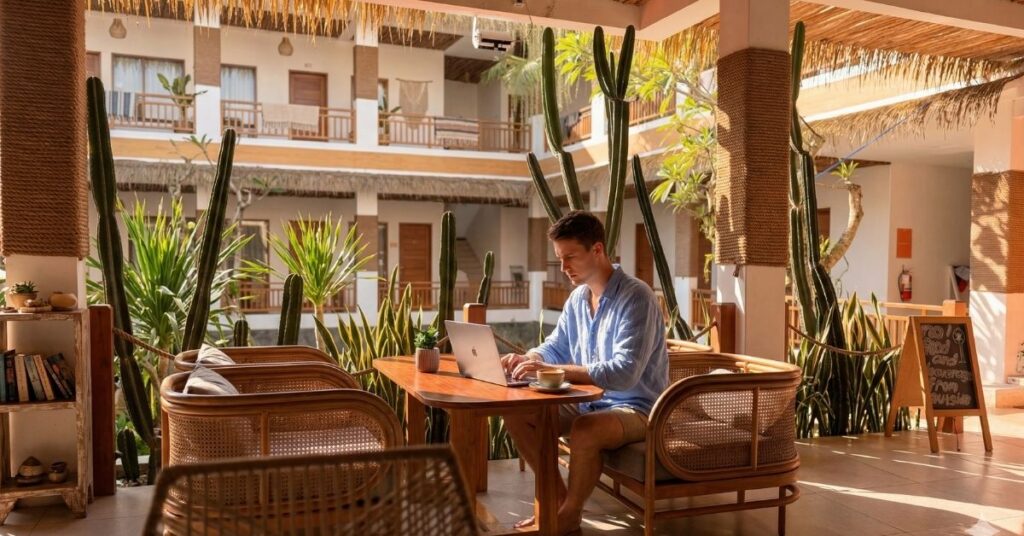
If you imagine digital nomads in Indonesia, you are probably imagining Canggu. That makes sense. Canggu has become one of the strongest co-working hubs in the country. It attracts digital nomads because the setup feels ready from day one. You can stay near the beach, work from one of many coworking spaces, meet people quickly, and build a routine without much effort.
Another reason Canggu keeps winning people over is convenience. Ride-hailing apps are easy to use. There are many food options. It is simple to find a local restaurant, an international café, or a place to work with decent internet. For first-time nomads, that easy access reduces friction significantly.
But Canggu has clear tradeoffs. Traffic can be exhausting. The area can feel crowded, noisy, and overstimulating. Costs can rise fast, especially if you want a polished villa in a prime area. Affordable rooms in Bali can still be found for around Rp 3–5 million a month, but the nicest Canggu zones often stretch beyond that.
Choose Canggu if you want connection, social momentum, and a mature work-and-life ecosystem. Skip it if you need quiet, a deeper local culture, or a much cheaper daily routine.
2) Ubud, Bali: best for focus, wellness, and a calmer rhythm
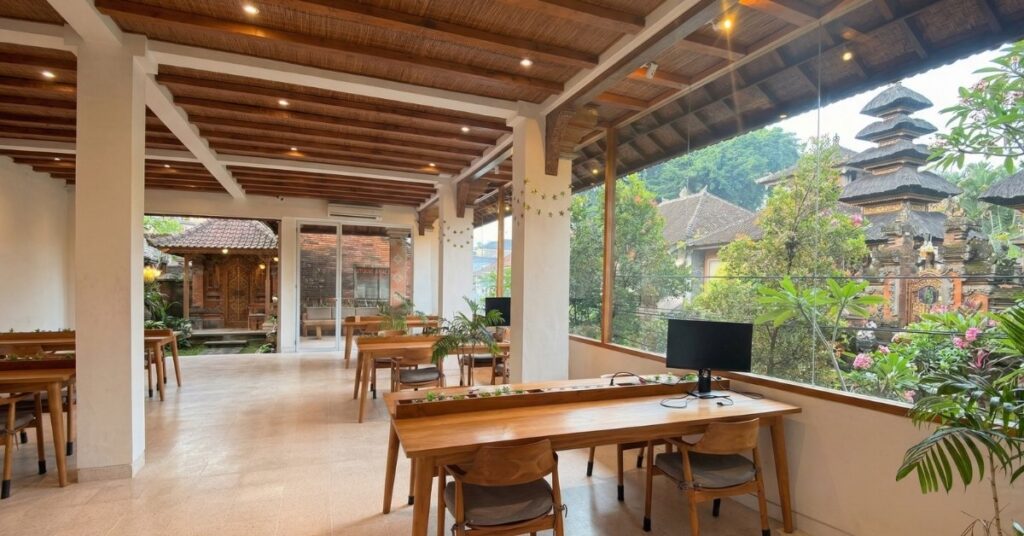
Ubud is the part of Bali that appeals to people seeking a softer way of life. It is a jungle town popular with yogis, and the mood is more mindfulness-focused than high-energy. Instead of beach clubs and loud nights, you get green scenery, rice terraces, rice fields, meditation centres, and a routine that feels more grounded.
Ubud is still one of the most popular choices for digital nomads because it has mature infrastructure, a strong nomad community, and enough coworking spaces to support real work. You can still find cafés, events, and people from around the world, but the atmosphere is usually calmer than in Canggu.
For many remote workers, that makes Ubud a better long-term fit. It is easier to protect your focus here. Writers, designers, coaches, solo founders, and people who want a healthier pace often feel more at home in Ubud. It also gives you more regular contact with local culture than some of Bali’s more party-driven zones.
The tradeoff is that Ubud is not as practical for beach lovers, and some areas still get crowded. Internet quality also varies more than some people expect, so you should not assume every villa has strong internet just because the town is famous.
Choose Ubud if you want balance, nature, and a work routine built around clarity rather than hype.
3) Sanur, Bali: best for longer stays and family-friendly, calm
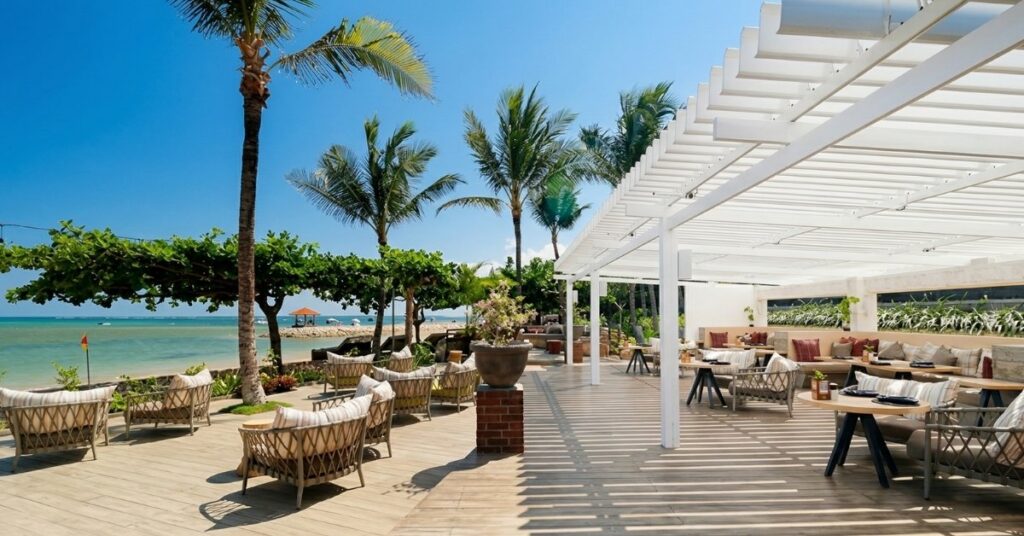
Sanur does not always get as much attention as Canggu or Ubud, but it deserves more respect. It is often preferred by long-term nomads or travelers with families for its slower pace and calm beachfront. The area feels more settled, more predictable, and less chaotic than some of Bali’s trendier bases.
For remote workers who want a stable routine, that can be a major advantage. Sanur offers a softer side of Bali. It has easy access to daily needs, a more relaxed traffic pattern in many parts, and a sense that normal life matters more than scene-chasing. That makes it easier to focus, especially if you are past the stage of wanting a constant stream of events every night.
Sanur is not the strongest choice if your main goal is to be surrounded by the biggest nomad community every day. It is also not the place people usually choose for vibrant nightlife. But if you want a calmer beach base that still feels comfortable and practical, Sanur is one of the smartest options in Bali.
4) Denpasar, Bali: best practical base for freelancers on a tighter budget
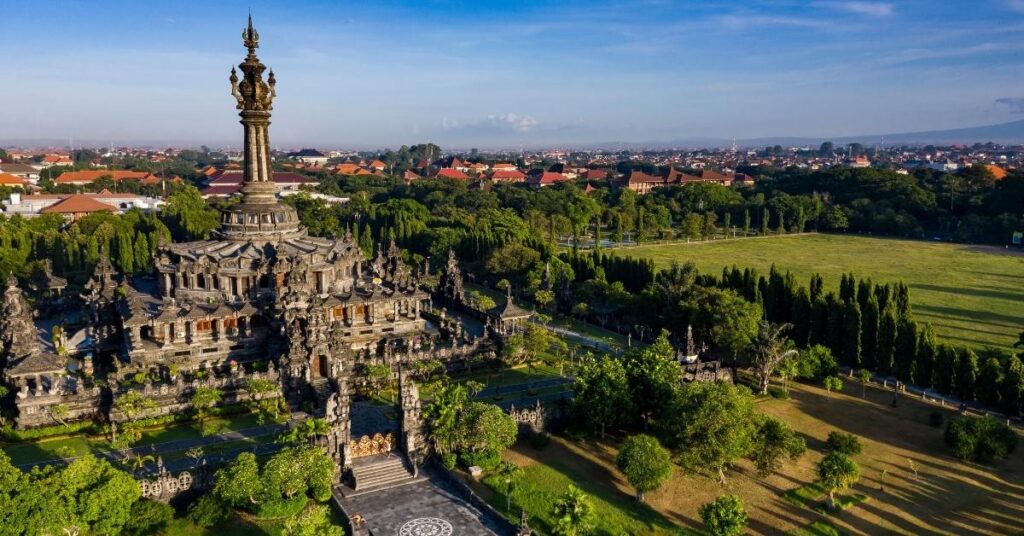
Denpasar is often overlooked because it does not sell the same fantasy as beach-heavy Bali. But from a practical point of view, it can be a very smart base. Denpasar offers affordable rent and stable Wi-Fi, making it a good option for freelancers and remote workers who prioritize function over hype.
This part of Bali feels more local and less performance-driven. That matters if you are trying to control costs, build a normal routine, and avoid paying a premium just to be near the trendiest cafés. In some parts of Bali, affordable rooms can still be found for Rp 3–5 million a month, and Denpasar is one of the places where that feels more realistic.
It is not the most glamorous base. It does not have the same built-in coworking identity as Canggu. But if you care most about stable internet, reasonable rent, and everyday convenience, Denpasar deserves a place on the shortlist.
5) Jakarta: best for city life, business access, and urban convenience
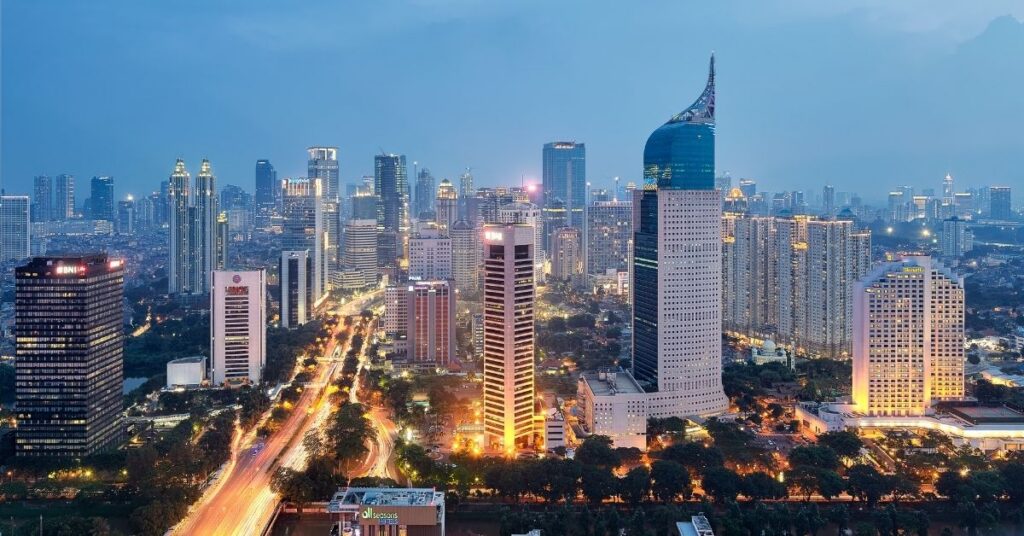
Jakarta, Indonesia’s capital, is still one of the best cities for digital nomads who prefer structure over island fantasy. If you like a true big city, Jakarta can make your life easier. This is where you get major hospitals, malls, better business access, a wide food choice, stronger transport links, and a routine that feels closer to other global hubs.
Jakarta can be especially useful for people working with foreign companies, agencies, partners, or regional teams. It is easier to treat your work seriously here because the whole city runs on scale, business, and speed. There are coworking spaces, serviced apartments, and neighborhoods that support very different budgets.
Yes, the cost of living in Jakarta is higher than in many other Indonesian cities. But it still feels affordable compared with other major cities around the world. That is why some remote workers accept the tradeoff. They spend more than they would in Yogyakarta or Bandung, but they get more convenience, more structure, and better urban support in return.
Choose Jakarta if you want city life, business practicality, and fast access to the things that keep demanding work moving.
6) Yogyakarta: best for culture, affordability, and creative community
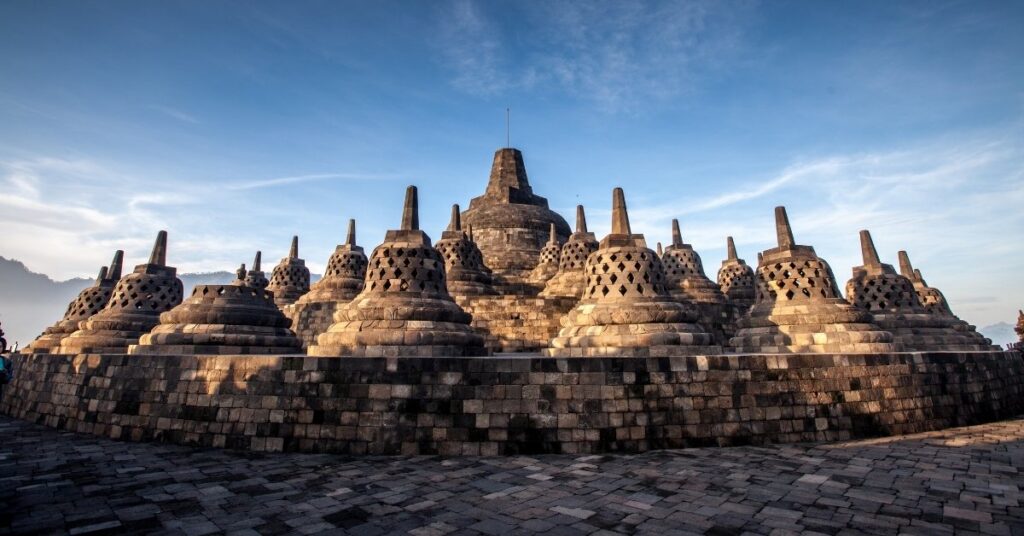
Yogyakarta is one of the most appealing cities in indonesia for digital nomads who want a more grounded kind of life. It is known for affordable living and a welcoming community of artists and freelancers. That already makes it attractive, but the city offers more than low prices.
This is one of the richest cultural bases in the country. You get local culture, art, student energy, nearby historic temples, traditional markets, local markets, and food that feels deeply tied to place. If Bali sometimes feels too packaged, Yogyakarta can feel more real.
The cost side is also hard to ignore. For remote workers who want to live comfortably without spending too much, Yogyakarta often offers better value. Rent is more reasonable, food stays affordable, and daily life feels easier to maintain over time.
The tradeoff is that the digital nomad scene is smaller. There are working spaces and cafés, but not the same scale of co-working hubs, co-living spaces, or networking events that you get in Bali. Some people see that as a disadvantage. Others see it as relief.
Choose Yogyakarta if you want rich culture, strong values, and a slower city where real life matters more than image.
7) Bandung: best for creatives, cooler weather, and lower city costs
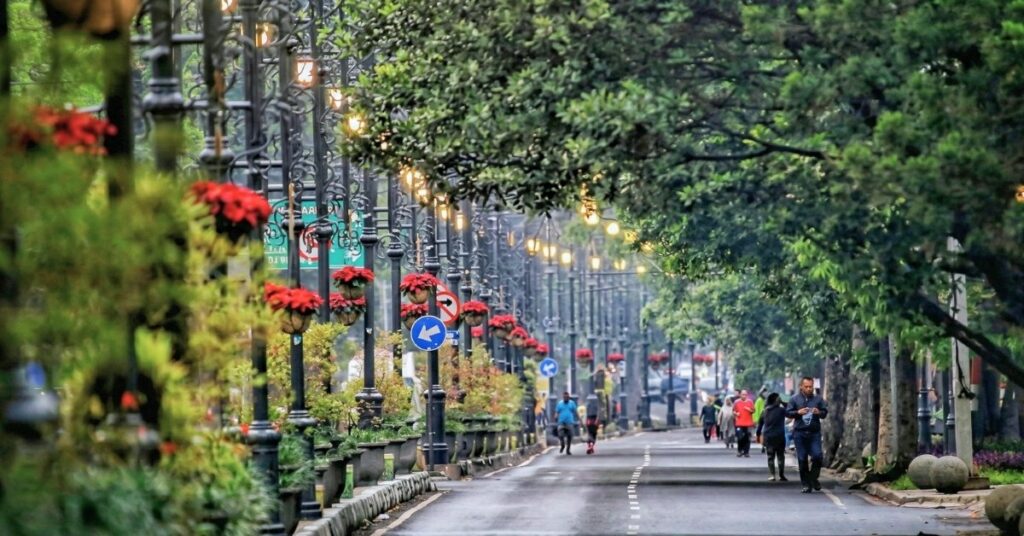
Bandung is one of the strongest under-the-radar options for digital nomads who want a city base without Jakarta prices. It is surrounded by volcanic landscapes and tea plantations, which already makes it feel different from many urban areas in Indonesia. It is also known for factory-outlet shopping and its unique architectural heritage, which gives the city more personality than many people expect.
Bandung works well for creative people, café workers, and remote workers who like variety in their day. It has a youthful energy, a large student population, and a local rhythm that feels active without being overwhelming.
Cost is one of Bandung’s best advantages. Rent and food costs are generally lower than in Jakarta, making the city more attractive to digital nomads who still want urban comfort. If you want a city lifestyle but need it to stay more reasonable month after month, Bandung is often the better balance.
Bandung does not have Bali’s built-in nomad brand, and it is not a beach destination. But if your goal is to work, live well, and keep expenses under control, it can be one of the smartest choices in the country.
What does it really cost to live in Indonesia as a remote worker?
A realistic budget matters because so much online advice swings between extremes. Some content makes Indonesia sound almost free. Other content assumes you will live like a tourist full-time. The truth is more balanced.
Many digital nomads can live comfortably in Indonesia on a total monthly budget of around $700 to $1,200, depending on the city, housing style, and daily habits. If you cook sometimes, eat local food often, and avoid premium tourist pricing every day, your money can go far. If you want a private villa in a prime area of Bali, daily coworking, regular nightlife, and imported groceries, your costs will rise quickly.
Food is often where Indonesia feels especially generous. Meals at local restaurants commonly fall in the two-to-five-dollar range, making it easy to eat out without wrecking your budget. That helps a lot with quality of life by reducing the time and energy required for daily planning.
Housing varies by area. In Bali, affordable rooms can still be found for roughly Rp 3–5 million a month, especially outside the most in-demand zones. In Jakarta, you usually pay more, but you are still often spending less than you would in many major global cities. In Bandung and Yogyakarta, lower rent and lower food costs can make monthly life feel much easier.
So instead of asking only which city is cheapest, ask a better question: where can you get the best quality, best routine, and best overall lifestyle for your money?
What wins people over in the long run
The places that keep digital nomads happy are not always the ones with the loudest reputation. They are usually the places where ordinary life works. Strong internet. Good sleep. Reliable transport. A local restaurant you like. A decent gym. A backup place to work. Reasonable costs. A neighborhood that does not drain you.
That is why so many digital nomads end up choosing a city not for the postcard, but for the rhythm. Some need the social energy of Canggu. Some need the calm of Ubud or Sanur. Some want the local depth of Yogyakarta. Some feel best in a structured big city like Jakarta. The right answer is personal, but the pattern is clear: the best base is the one that supports your work without making daily life harder.
Local culture matters here, too. The longer you stay, the more important respect becomes. Explore beyond the usual tourist areas. Visit local markets. Try food from different regions. Pay attention to how people move through the place. Indonesia is not just a backdrop. It is a country with deep culture, real complexity, and a lot to teach people who slow down enough to notice.
Final thoughts: Which city should you choose?
If you want the easiest entry into the nomad world, choose Canggu. If you want calm, mindfulness, and focus, choose Ubud. If you want a family-friendly beach routine for longer stays, choose Sanur. If you want a more practical setup in Bali with stable internet and lower rent, consider Denpasar. If you want business convenience and a full city life, choose Jakarta. If you want affordable living and a rich culture, choose Yogyakarta. If you want a cooler, more creative city with lower costs than Jakarta, choose Bandung.
The best cities in indonesia for digital nomads are not just the ones that look good online. They are the ones that match your work style, your budget, your visa plan, and the kind of life you want to build.
Indonesia offers a rare mix of affordability, beauty, internet access, and lifestyle variety. That is why it remains one of the world’s strongest choices for digital nomads. Choose the base that fits your real life, and the country becomes much more than a place to visit. It becomes a place where you can actually live well while working remotely.





 English
  Bahasa Indonesia
  Español
  Italiano
  Français
  日本語
日本語  Nederlands
  繁體中文
繁體中文  한국어
한국어  Norsk bokmål
  Svenska
  Dansk
Dansk  Türkçe
  Polski
  香港中文
香港中文  简体中文
简体中文  Українська
  Русский
  Bahasa Melayu