













Indonesia Building Permits and Land Rights Explained

If you are trying to understand indonesia building permits, you are not alone. The rules can feel messy at first because two different issues get mixed together all the time. One issue is 土地所有 or the right you hold over the land. The other is the 建築許可 and approval path for the structure you want to put on that land. If you mix those up, you can waste money fast.
This guide keeps it simple. It explains what rights you may have over land, what those rights usually allow you to do, and how the approval process に対して 建設 project typically works in Indonesia today. The goal is to help you understand the real order of things so you can make better decisions before you spend money, sign documents, or start building.
これは article aims to answer the questions most people ask first. Can you build on the land you found? What is the difference between land rights and permit rights? What does building permit PBG mean? When do 地方自治体 step in? What are the 必要書類? And what mistakes create delays, rejections, or worse, serious legal complications?
The short answer is this: a land right does not automatically give you the right to build anything you want. A permit does not fix a bad land title. And even a beautiful plan can fail if it does not comply with local zoning and building regulations and the property’s 使用目的.
目次
Start Here: Land Rights and Building Permits Are Not the Same
This is the biggest point you need to understand.
A land right tells you what legal position you have over a piece of land. A permit tells you whether your proposed construction or use of that property is approved under the current rules
That means you have to check both. A valid land certificate does not mean your building project already complies with zoning regulations. A clean title does not mean your building plans meet setback requirements, building codesあるいは environmental regulations. And a good architect’s design does not solve weak land paperwork.
So if you only remember one thing, remember this: in Indonesia, safe property planning always starts with land status first and permit strategy second.
The Basic Land Rights You Will Hear About Most
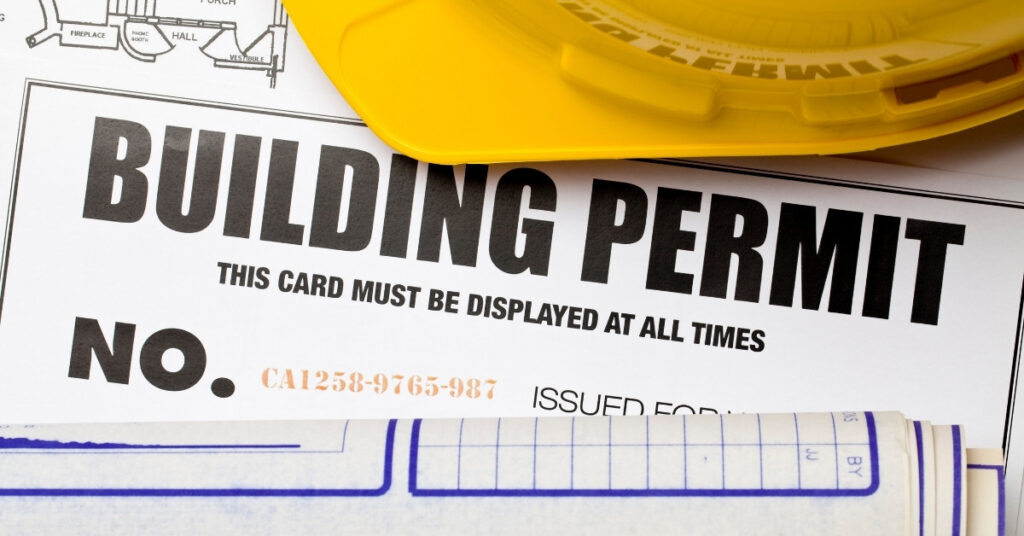
Before you think about the construction process, you need to understand the type of rights attached to the land.
ハク・ミリク
Hak Milik is the strongest form of land rights in Indonesia. It is often translated as freehold. For practical purposes, this is the most complete form of private landholding, but it is tightly restricted under Indonesian rules. If you are reviewing a property, do not stop at hearing the words “freehold.” Check whose name is on the certificate, what the land is used for, and whether the current and future use actually match.
Hak Guna Bangunan or HGB
HGB matters a lot in the world of building construction. This right allows the holder to build and own structures on land that is not owned under Hak Milik by that same holder. Normally, this is one of the most important rights in commercial and development settings. If you are looking at a property for a villa project, office, shop, warehouse, or other active use, HGB often becomes part of the conversation.
This is why people sometimes confuse HGB with full ownership. But it is not the same as Hak Milik. It is still a specific legal right with limits, conditions, and duration. You should read the certificate carefully and match it against the real land use and the actual plan for the site.
ハク・パカイ
Hak Pakai is a right to use land under certain conditions. It can be relevant in several situations, including situations where the user is not in the same position as a standard Hak Milik holder. This is another reason you should not use broad labels like “I own the land” without checking the actual legal form. In many cases, what you really have is a use right, not full control in the way many people expect.
Leasehold or Hak Sewa
A lease can be valid and useful, but it is not the same thing as holding a land certificate in your own name. Many people enter into a lease and assume they can start construction right away. That is risky. A lease may let you occupy or use land, but you still need to check whether the person leasing it to you has the right to do so, whether the site can legally support your project, and whether the permit side can be completed the right way.
PBG in Plain English
So what exactly is PBG?
PBG stands for persetujuan bangunan gedung. It is the approval connected to a building’s technical plan and lawful development. In simple terms, it is not just a piece of paper saying yes to any design you want. It is a check on whether the proposed structure and the proposed use line up with the legal and technical framework.
That includes questions like these:
Will the building plans fit the site?
Will the design respect local zoning regulations そして local zoning laws?
Will the structure meet safety standards そして construction standards?
Will the project affect the surrounding environment in a way that triggers more review?
Does the applicant have the right standing to apply?
Does the project match the site’s approved land use?
That is why proper permits matter so much. PBG is not only about bureaucracy. It is about proving that the project is legally and technically acceptable before major construction work begins.
Why Land Rights Matter Before Any Permit Discussion

Think of it this way. If your right over the land is weak, unclear, or misaligned with the site’s actual status, the permit process can become messy very quickly. You may run into disputes about building ownership, missing owner approvals, conflicts between 土地所有 and actual possession, or trouble proving who has the authority to apply.
This is especially important when there are existing buildings on the site. Do not assume the presence of a house, villa, shop, or warehouse proves that everything is legal. Some older properties were built under older systems. Some were changed over time. Some were extended without proper updates. Some may have old records that do not match the present layout or use.
So before you move into document preparation, pause and check these practical points:
- What exact right appears on the certificate?
- Who is the registered holder?
- Does the current holder have the authority to approve the project?
- What is the site’s land zoning and permitted land use?
- Are there existing buildings, and if so, were they lawfully approved?
- Will the project involve significant changes, a new structure, or a different use?
- Is the property meant for housing, rentals, hospitality, office use, storage, or mixed functions?
These are not side questions. They shape the entire permit application process.
What the Current Permit System Looks Like
Many people still use the old term IMB when they talk about permits. But under the current system, the key term you need to know is persetujuan bangunan gedung, commonly abbreviated as PBG. In English, many people call it a building permit (PBG) or simply a permit (PBG).
The easiest way to think about it is this: PBG serves as the primary pre-construction approval for a building or changes to it. It is part of the modern framework for bangunan gedung regulation. If you are planning new buildings, major alterations, additions, reductions, repairs that affect technical aspects, or a change that materially affects the structure or function, you may need a PBG application 以前 starting construction.
That is why old advice can be dangerous. The system has changed under new regulations, and people who rely on outdated IMB-era assumptions often discover too late that the real プロセス now runs through newer channels and newer review standards.
The Real Order of the Approval Process
To keep it simple, here is the order most people should understand.
First, you confirm the land status and the right to apply.
Second, you check land zoning, local zoning laws, and the site’s permitted 使用目的. This matters because a permit review does not happen in a vacuum. Your building project must comply with the area’s planning rules, road access rules, setback requirements, and local limits on density, height, and function.
Third, you check whether the project triggers environmental review. Not every site needs the same level of review, but larger or more sensitive projects may require an environmental impact assessment or other environmental documentation.
This is where environmental protection, environmental standards, and the effect on the surrounding environment become very real. If your site, scale, drainage, waste, water use, or business activity poses a risk, the environmental aspect can no longer be treated as a minor detail.
Fourth, you prepare the permit package and file the PBG application through the proper system.
Fifth, the technical review happens. Your detailed building plans, structural drawings, and other technical documents are reviewed to ensure the project meets construction standards, safety standards, building codes, and basic rules for structural integrity.
Sixth, once the permit requirements are satisfied, the project may proceed to approved construction activities.
Seventh, after the structure is completed and reviewed as needed, the building may need a function certificate before lawful use. In Indonesia, this is known as Sertifikat Laik Fungsi or SLF. Some English explanations awkwardly call it a function-worth certificate. Whatever name you use, the idea is simple: it helps confirm the completed building is fit to be used for its approved function.
That is the final step many people forget.
SIMBG and the Filing Route
Most applicants will deal with the digital filing route tied to SIMBG. In practical terms, this means the PBG application process usually runs through the building management information system used for filing and review.
People assume the hardest part is clicking through a website. It is not. The hard part is making sure the input is correct. An incorrect owner name, a weak authority letter, a poor drawing set, or a mismatch between the form and the actual site can stall the file immediately.
That is why your SIMBG account is only one small part of the story. The real work happens before you upload anything. Good document preparation is what keeps the file moving.
What Documents Usually Matter Most
The exact list can vary depending on the site, region, scale, and project function. Still, most serious applications revolve around a core group of 書類 and supporting materials. During the initial consultation, these are the items you should expect to discuss:
- identity and applicant data
- proof of authority to apply
- その land certificate or other legal basis for use of the land
- site information and the approved or planned land use
- building plans そして detailed building plans
- structural drawings and other engineering materials
- supporting technical documents for utilities, access, and systems where required
- cost-related information where the system asks for it
- environmental paperwork when the project triggers an environmental impact assessment or related review
- records for existing buildings if the project is an alteration, expansion, or regularization matter
You should also be prepared for local requests tied to site conditions, frontage, access, drainage, fire safety, parking, and neighborhood fit. That is one reason 地方自治体 still matter so much, even when digital filing is involved.
What Local Authorities Actually Look At

Many people think permit review is only about paperwork. It is not. The real question is whether the project complies with the rules that apply to that site.
That means reviewers may look at whether your proposed construction fits the road network, neighboring plots, access width, drainage conditions, and the area’s spatial plan. They may look at setback requirements, height, massing, circulation, and fire access. They may review whether the design matches the declared function. They may also care whether commercial buildings are being placed where only residential use is acceptable, or whether a quiet residential zone is being pushed toward hospitality or active business use without a legal basis.
This is where people get into trouble with zoning laws. They find land, fall in love with the idea, and only later learn the site cannot support that exact use. The lesson is simple: do not design first and verify later. Check land zoning before you fall too far in love with the project.
When Renovation Turns Into a New Permit Problem
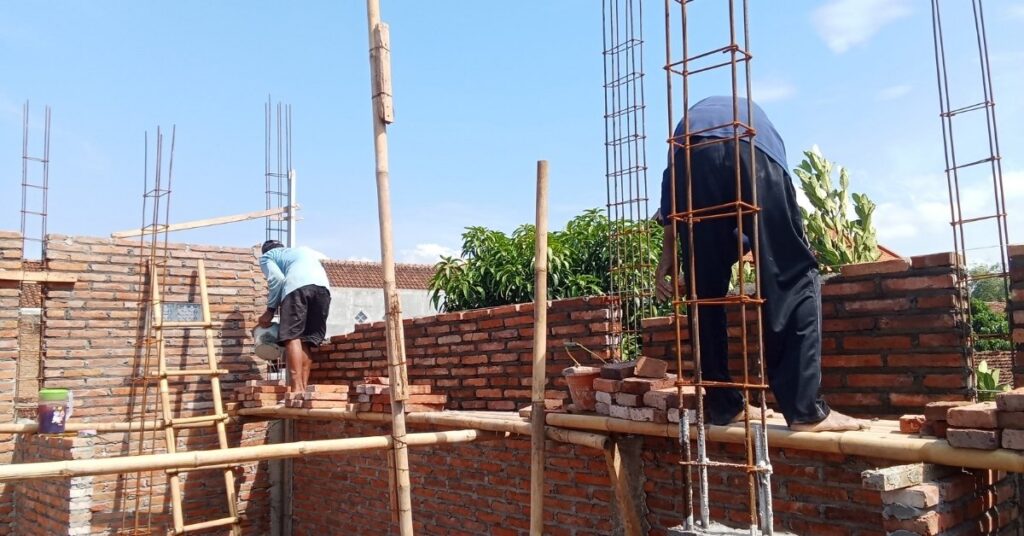
Many people say, “I’m not building from zero. I’m only renovating.” That can be true, but it does not always mean the permit side is simple.
A cosmetic refresh is one thing. A technical change is another. If the work affects the structure, changes the footprint, increases the floor area, alters the function, or affects life-safety systems, the project can move into a more serious review category. In everyday terms, once the work goes beyond minor touch-ups, the government may no longer see it as a light refresh.
This matters because people often start small and expand the scope later. What begins as a simple update becomes a bigger construction project, and by the time they realize that, they are already deep in contractor payments and redesign costs.
Commercial Buildings and Mixed-Use Projects Need Extra Care
Projects involving shops, offices, restaurants, studios, warehouses, clinics, rental units, and hospitality uses usually need more careful review than a basic residence. The more public-facing or operational the project becomes, the more the fit between zoning, technical planning, and operational licensing matters.
This is especially true for commercial buildings and sites with mixed functions. A building that combines living space, retail, storage, and short-stay use may look attractive on paper, but each function raises its own issues. The more uses you stack into one site, the more important it becomes to check whether the declared function, spatial plan, and technical design truly match.
This is also where business licensing can connect to the property side. A building question can quickly become an operating-license question. If the physical site is not right for the activity, the business side can suffer too.
The Environmental Side Is Not Optional Just Because It Feels Boring
Many permit problems come from treating the environmental side like a small box to check later. That is a mistake.
Depending on the size, scale, and impact of your project, the review may consider runoff, drainage, access, waste, water use, public impact, and the project’s effect on the surrounding environment. In some cases, the project may need an environmental impact assessment or another form of environmental approval. In all cases, you should assume that environmental regulations そして environmental standards matter.
Why? Because land is not reviewed in isolation. Authorities care about environmental protection, public safety, and neighborhood order. If your plan increases pressure on roads, water, drainage, or nearby uses, that can influence how the application is assessed.
Technical Review: Why Drawings Matter More Than People Think
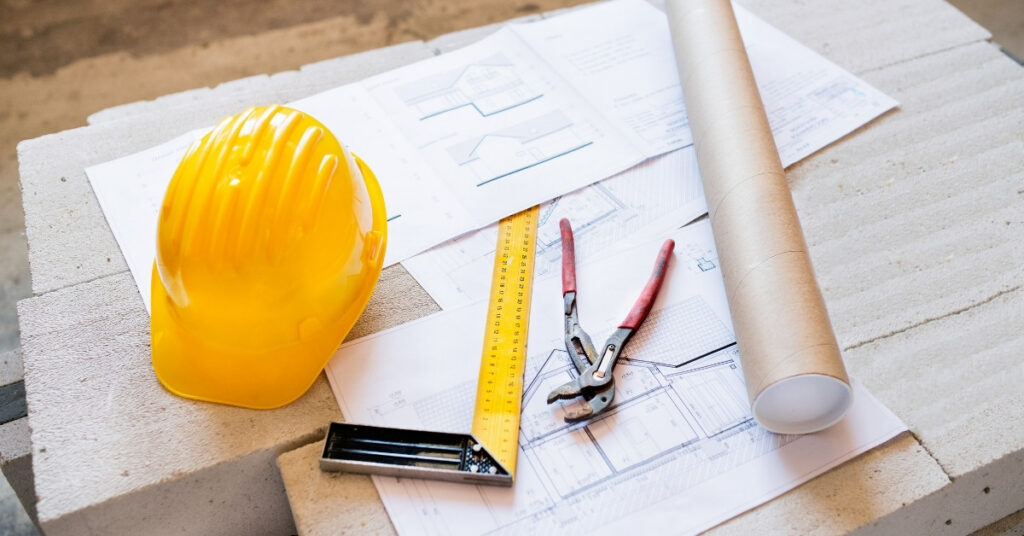
A permit file lives or dies on its technical quality.
That is why detailed building plans, structural drawings, and other technical documents matter so much. These are not fancy extras. They are the tools reviewers use to judge whether the design is safe, realistic, and lawful.
A weak drawing package can raise doubts about structural integrity, egress, fire safety, service systems, circulation, and site fit. Missing dimensions, sloppy site plans, inconsistent sections, or unclear foundation details can slow everything down. Even when the concept itself is fine, the file can stall because the technical package is not strong enough to support it.
This is one reason experienced teams spend real time on document preparation before submitting anything. They know that incomplete documentation creates questions, and questions create delay.
Common Reasons Projects Get Delayed
Most delays are not mysterious. They usually come from a short list of repeat problems.
The first is a weak land review. People rush into design before checking the certificate, the holder, the land use, そして local zoning laws.
The second is poor document preparation. A rushed file, bad scans, inconsistent names, missing authority letters, weak drawings, or incomplete documentation can slow the permit application process.
The third is a mismatched function. A file may say residential while the layout clearly points to a different business model. That creates credibility problems.
The fourth is ignoring environmental questions until late in the game.
The fifth is non-compliance during the build phase. Even after approval, changing the design without proper handling can create trouble later, especially when the completed building is being checked for use.
The sixth is simply underestimating timing. Some parts of the review may move in a few weeks when the project is simple, and the file is strong, but many cases take longer. Local practice, complexity, workload, and revision cycles all affect timing. So the smartest mindset is not “How fast can I force this?” but “How do I 遅れを避ける by getting the fundamentals right?”
What Happens After Construction
Some people think the permit story ends when the plans are approved. It does not.
After construction is completed, the building may still need to be reviewed for lawful use. This is where the SLF stage matters. Again, some English descriptions call it a function-worthy certificate, but in practice, you should know the Indonesian name: Sertifikat Laik Fungsi.
This certificate matters because it determines whether the completed building is fit for use in its approved function. It connects the technical plan, the completed 建設, and the building’s readiness for use.
If the building on the ground does not match what was approved, that gap can become a problem. If there were unapproved changes during construction activities, or if technical requirements were not met, the handover into legal use can become more difficult.
So do not treat approval as a single moment. Think of it as a chain. Land status, zoning fit, technical approval, lawful 建設, and safe use all have to line up.
A Simple Example So It Feels Real
Imagine you find a nice plot and want to build a two-story property with a small café below and a rental unit above. At first, it sounds simple. You have a location, a budget, and a concept.
But now the real questions begin.
Does the applicant have a strong legal basis for the land?
Does the site’s land zoning allow that combination of uses?
Do the building plans match setback requirements and the road situation?
Will the project be treated as residential, commercial, or mixed functions?
Will the utility load, parking, drainage, and access raise local concerns?
Will the project affect the surrounding environment enough to trigger extra review?
Will the completed building later support the business side under the relevant business licensing path?
That is why people get stuck when they jump too quickly from idea to contractor. A good concept is not enough. The site, rights, and approvals must align.
How to Approach the Process the Smart Way
You do not need to become a lawyer or engineer. But you do need the right order.
Start with an initial consultation focused on land status, use, and risk. Confirm the certificate, the holder, the actual site condition, and the project goal. Then move into the permit strategy. This alone can save you from an expensive redesign later.
Next, get serious about document preparation. Make sure names match, authority is clear, and the drawings reflect the actual project.
Then verify the zoning side before spending too much on design. Zoning regulations そして local zoning regulations shape what is possible. They are not a final detail.
After that, treat the technical package like the heart of the file. Strong technical documentation, clear structural drawings, and well-prepared, detailed building plans demonstrate that the project is real and well thought through.
Finally, build with discipline. If you change the project during the build, do not assume nobody will notice. Unmanaged changes can lead to review trouble later.
Why Professional Help Can Still Be Worth It
This topic is technical because it sits at the intersection of land law, planning, architecture, engineering, and local practice. That does not mean you should blindly hand everything over. But it does mean expert help can be valuable, especially on higher-risk projects.
A good advisor is not just filling forms. They are checking the weak points before they become expensive. In the real world, a lot of professional time goes into reviewing titles, organizing 書類, coordinating drawings, answering revision notes, and assisting clients so the project can move with fewer surprises.
The best help is practical. It should explain what is missing, what needs fixing, what the risk is, and how to コンプライアンスを確保する. If someone only says, “Relax, it will be fine,” that is not a strategy. That is wishful thinking.
The Cost of Getting It Wrong
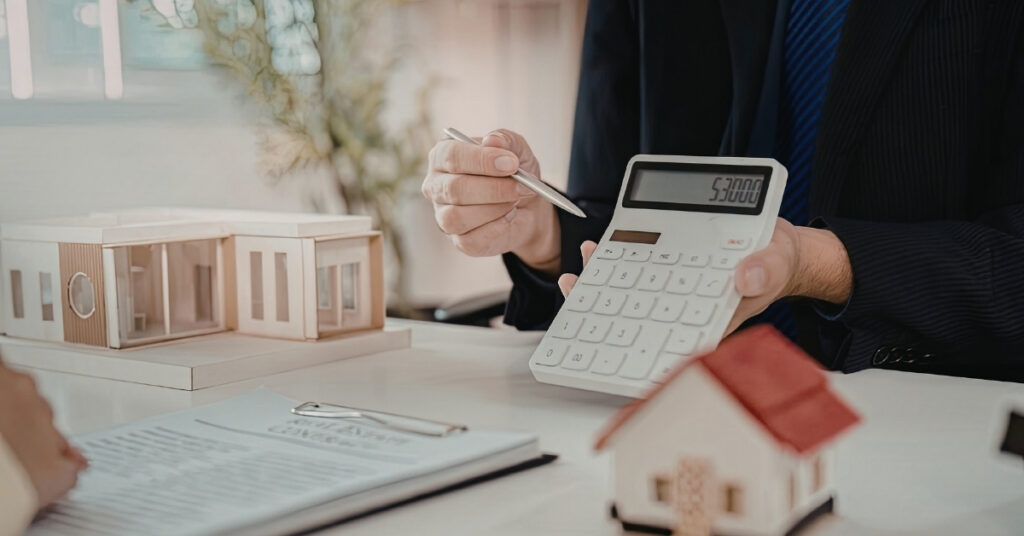
People sometimes try to save money by skipping the permitting process, delaying the environmental review, or relying on verbal promises. That can backfire in many ways.
- The project may be paused.
- The design may need to change.
- The business opening may be delayed.
- The property may become harder to sell or finance.
- The completed building may face trouble in the final approval and use stage.
- And in more serious cases, you may face sanctions, disputes, or broader legal complications.
A Practical Checklist Before You Spend Money
Before you commit to land, design, or contractors, run through this checklist:
- Confirm the exact right over the land
- Confirm who has legal authority over the site
- を確認する。 land certificate and its details
- Confirm the site’s land zoning and permitted land use
- Check whether the planned use matches the site and area
- Ask whether the project involves new buildings, existing buildingsあるいは significant changes
- Identify whether an environmental review is needed
- Prepare the key 書類 and authority papers early
- Organize the technical package, including building plans, detailed building plansそして structural drawings
- Set up the filing route, including the SIMBG account, before deadline pressure hits
- Plan for review, revisions, and possible on-site inspection
- Keep the completed work aligned with what was approved
That last point matters more than many people realize. A permit file is not useful if the actual site drifts away from it.
最終的な感想
If you feel overwhelmed, that is normal. But the system becomes easier once you stop trying to treat everything as one giant mystery.
So when people talk about Indonesia’s building permits, do not picture a single piece of paper called a permit. Picture a chain of checks that connect land rights, planning, technical design, approved 建設, and lawful use. Once you understand that chain, you are far less likely to make avoidable mistakes.
In the end, the smartest move is not rushing into 建設. The smartest move is making sure the project starts on solid ground, fits the rules, and can survive review from start to finish under Indonesian law.





 English
  Bahasa Indonesia
  Español
  Italiano
  Français
  日本語
日本語  Nederlands
  繁體中文
繁體中文  한국어
한국어  Norsk bokmål
  Svenska
  Dansk
Dansk  Türkçe
  Polski
  香港中文
香港中文  简体中文
简体中文  Українська
  Русский
  Bahasa Melayu