













インドネシアでのKITAP延長:KITAP保持者のための簡単なガイド(2026年)

もしあなたが キタップホルダー で インドネシア, 長期滞在のための法的基盤はすでに整っている。キタップはあなたの 永住許可 (正式には アイタップ)、長期的な 居住許可 永住権とは、短期ビザを取得することなくその国に滞在できる制度である。しかし、“永住権 ”と呼ばれるとはいえ、次のことが必要だ。 エクステンド・キタップ (を行う エクステンション)を時間通りに実行し、正しい 移民 プロセス.
学生証のようなものだと思ってください。学校は学生証の更新を求めます。入国管理局も似たようなものだ。 許可されている 滞在する必要がある。 提出する 正しいファイルを使用し、手続きを行い、支払い手続きを完了することで、ステータスを有効に保つことができます。.
このブログ記事では、KITAPエクステンションの全容を、まるで中学2年生と話しているかのように、わかりやすくシンプルなアメリカ英語で説明している。また 再入国許可証 (IMK)を計画している場合に必要です。 インドネシアを去る そして 再入力, それに加えて、“複数出場の再入国”と“出国再入国許可証”「とは、日常生活における意味である。.
目次
アンリミテッド・キタップ」の本当の意味とは?
人はよくこう言う。 無制限キタップ. .移民局は、申請して要件を満たしている限り、ITAPは無期限に延長できるとしている。言い換えれば、滞在の権利は継続できるが、延長には申請が必要だということだ。.
最も重要なタイミングのルールも非常に明確だ:
- を始めることができる。 キタップ適用 早ければ 3ヶ月前 期限切れだ。.
- 最新の申し込みは 期限切れ当日 (後ではない)。.
だからギリギリまで待たないこと。書類の修正、アポイントメント、オンライン・システムの遅延など、余裕を持って行動しましょう。.
KITASステータスとKITAPの比較:迅速かつシンプルに
似たような2つの言葉をよく耳にするだろう: キタス(ITAS) そして キタップ(ITAP).
- キタス は限定滞在許可証(一時的なもの)である。.
- キタップ は長期滞在許可証(永住許可証)である。.
もしまだ キタステータス 初めてキタップに “昇格 ”するのであれば、それは延長とは異なる行為だ。この記事では 更新/延長 すでにKITAPを持っている人のためのプロセス。.
申請場所: 最寄りの移民局
あなたの内線は、お住まいの地域の 入国管理局 (Kantor Imigrasi)は、インドネシアの住所に基づいています。そのため、あなたの住所と地域が重要なのです。もしあなたが引っ越しをした場合、新しい住所でどのオフィスがあなたのファイルを取り扱うかが変わる可能性があります。.
This is also why a 住民票 が出てくることがあります。あなたの住所が複雑な場合(配偶者の住所が別の地域にあるなど)、入国管理局はあなたが実際に住んでいる場所の証明を求めることがあります。.
必要な書類は?キタップの「タイプ」によって異なります。
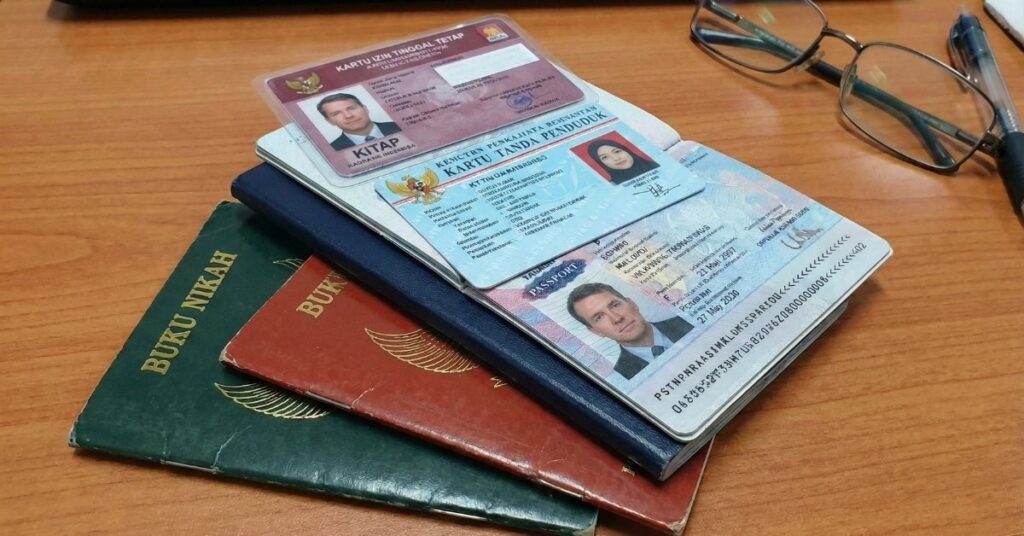
入国管理局はこのロジックをこう説明する:ITAPの延長要件は、一般的に同じカテゴリーまたはインデックスに関するITASの要件に従います。.
ITAP延長のために入国管理局が言及した2つの有益な調整:
- 最低額なし パスポート 有効性の要件は調整項目として挙げられている。.
- 調整項目として生活費の証明は挙げられていない。.
とはいえ、あなたの具体的な 書類 それでも、配偶者ベース、投資家ベース、仕事ベース、退職後、家族など、KITAPのタイプによって異なる。.
準備すべき書類(スターター共通チェックリスト)
カテゴリーに合わせる前の実用的なスターターセットとしてお使いください:
- あなたの有効な パスポート
- あなたの現在 キタップ / 滞在許可証 カードまたは証明書
- スポンサー 手紙 (カテゴリーがスポンサーを使用する場合)
- スポンサーがインドネシア人の場合、スポンサーID (KTP)
- ファミリーカード / カルトゥ・ケルアルガ (特に配偶者や家族の場合)
- 婚姻関係証明書 インドネシアの配偶者 ルート(証明 結婚 および登録)
- 本籍地証明書 住所の確認が必要な場合
- カテゴリー証明(会社書類 キタップ, 雇用に関連している場合は勤務証明書など)
入国管理局によって、これらの項目は若干異なるフォーマットで提示されることがありますが、「核となる考え方」は変わりません:身分証明、有効な滞在根拠、スポンサー/カテゴリー証明。.
最も一般的なKITAPタイプ(簡単な例付き)
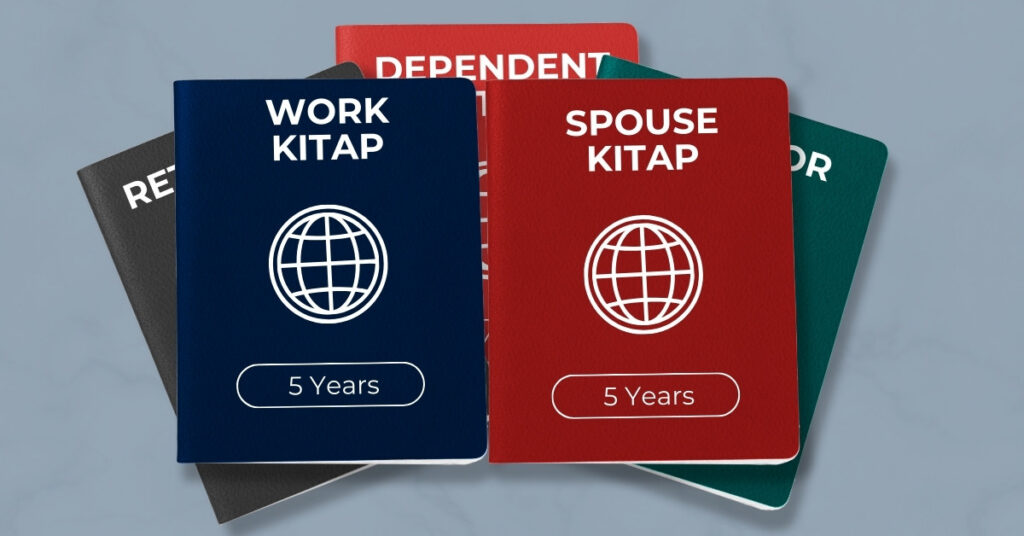
1) 配偶者 キタップ (インドネシア国民と結婚した外国人)
あなたがインドネシア人のパートナーと結婚している外国人であれば、KITAPはしばしば家族のステータスに結びつきます。簡単に言えば、入国管理局は、その関係が実在し、登録され、まだ有効であるという証明を求めているのです。.
このルートでは、よくこんな文書を目にする:
- 配偶者のKTPと カルトゥ・ケルアルガ (家族カード)
- 婚姻証明書/婚姻届/婚姻届登録証明書
- 住所証明(場合によっては 住民票 必要なら)
- 配偶者の身元保証書
インドネシア人配偶者との離婚は、婚姻期間が10年以上でない限り、KITAPの取り消しにつながります。離婚した場合、またはインドネシア人配偶者が亡くなった場合、KITAPの資格を維持するために新しいインドネシア人スポンサーを見つける必要があります。ただし、婚姻期間が20年以上であれば、離婚後もKITAPの資格を維持するために新しいスポンサーは必要ないかもしれません。.
2) 投資家 キタップ (会社ルート)
もし キタップ, あなたの内線は通常、ビジネス証明に傾いている。簡単に言うと入国管理局は、あなたの 会社設立 と投資ステータスは依然としてあなたの滞在ベースと一致している。.
こんなものが必要かもしれない:
- 会社の法的書類および登記
- 株式の所有を証明する書類(該当する場合)
- 活動またはコンプライアンスの証明(カテゴリーによる)
- 入国管理局では、銀行や口座の証明が「コミットメント」の証拠の一部となることがある(銀行取引明細書、税金、財務状況、株式の証明などの例を挙げている)。.
これは “お金を見せびらかす ”ことではありません。法的根拠がまだ実在し、あなたの滞在許可証のカテゴリーに合致していることを示すためだ。.
3) 仕事 キタップ
A 労働許可証 はKITAPとは異なります。KITAPは入国管理局の滞在資格です。労働許可証(および関連する認可)は、労働と雇用の規則に関するものです。.
もしあなたのKITAPが 会社 または就労許可を伴うステータスの場合、雇用主側からの補助書類が必要になることがあります。通常、この部分の準備は会社が手伝ってくれます。会社の準備が整っていない場合、事態を遅らせる可能性があるため、その存在を知っておきたい。.
ステップ・バイ・ステップ:KITAPの拡張方法
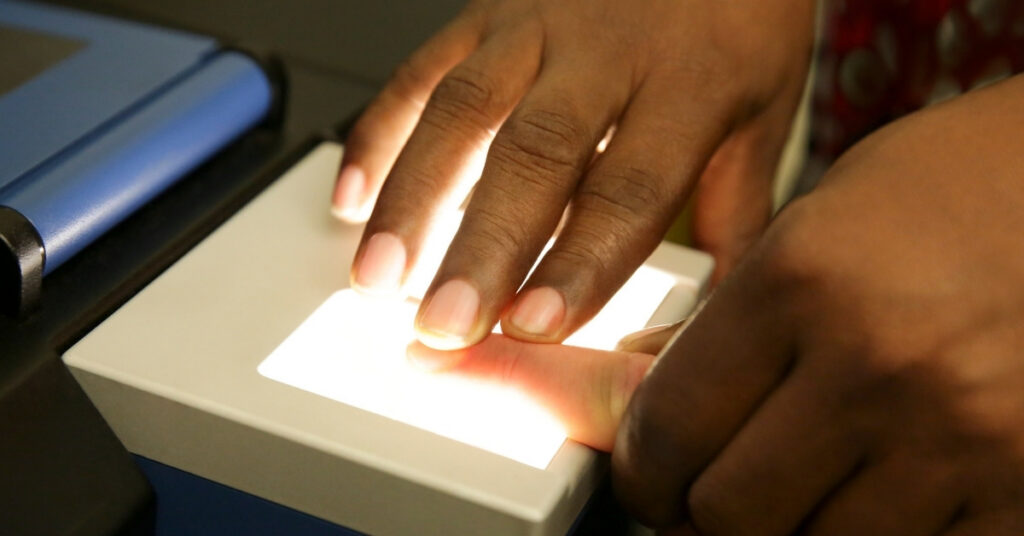
入国管理局では、ITAP延長の全体的な流れを明確な順序で説明している。ここでは、その流れを日常的な言葉で説明する:
ステップ1:書類を準備し、申請書を提出する
必要な書類を集め キタップ・アプリケーションそして 提出する を入国管理局に提出してください。一部 オンライン しかし、重要なのは、ファイルが完全で、読み取れるものでなければならないということだ。.
ステップ2:写真と生体認証
通常は 写真 ステップ(オフィスのワークフローで必要な場合はバイオメトリクスも)。これは通常のことです。入国管理局はあなたの最新の身分証明書を必要とします。.
ステップ3:支払い確認
あなた ペイ 入国管理局では、入国管理局から提出された正式な手数料を確認します。 支払い. .これは重要なステップだ。後回しにしてはいけません。支払いがきちんと完了していなければ、ファイルは動きません。.
ステップ4:現地オフィスからの案件の転送
料金受領後、地元の 入国管理局 は、決定段階へと申請を進める。.
ステップ5:承認と発行
決定が下され、ITAPが発行されます。移民局は、ITAPをバーチャル文書として電子的に提供することができることに留意してください(そのため、デジタルでアクセスすることができます)。.
2日間の修正ルール(非常に重要)
入国管理局がファイルの紛失や不正確なファイルを発見した場合、電子的に通知することができます。 2日 その通知後に修正すること。その時期を逃すと、申請が却下される可能性がある。.
もし、ミスを減らしたいのであれば、また、以下のようなやり取りを減らしたいのであれば。 入国管理官, KITAPの延長は、以下の方法で申請することができます。 ビザ・インドネシア.com. .これは、私たちがあなたを助けるので、より有益である可能性があります:
- あなたの書類をKITAPのカテゴリー(配偶者、投資家、家族など)に正確に一致させます。
- 2日間の修正期限に追われないよう、スキャン、名前、フォーマットを事前にチェックする。
- 何を持参し、何をコピーし、何をバックアップとして取っておくかを案内する。
- お客様のご旅行計画をサポート 再入国許可証 および延長スケジュール
- 思い出させる キタップの有効期限が切れる数週間前, そのため、直前になってストレスを感じることがない。
処理時間:どのくらいお待ちいただくか
入国管理局では、一般的なタイムラインを提供している:
- 入国管理局 の中でアプリケーションを転送する。 3営業日 料金を受け取る。.
- 受領後5営業日以内に決定される。.
実生活は、オフィスの仕事量、休日、書類の問題によって異なることがあるが、公式のタイムラインは、あなたの計画に確かなベースラインを与えてくれる。.
また、入国管理局はあなたを落ち着かせるようなことを述べている:
申し込みと支払いが完了した場合 以前 許可証が失効した場合、失効日以降に終了する決定がなされる。 ノーカウント オーバーステイとして。.





 English
  Bahasa Indonesia
  Español
  Italiano
  Français
  日本語
日本語  Nederlands
  繁體中文
繁體中文  한국어
한국어  Norsk bokmål
  Svenska
  Dansk
Dansk  Türkçe
  Polski
  香港中文
香港中文  简体中文
简体中文  Українська
  Русский
  Bahasa Melayu